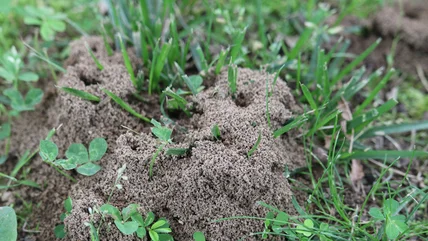
The 5 Best Ways To Remove Anthills In Your Yard Without Pesticides
Anthills disrupt your lawn, creating a risk to people and pets. Instead of pesticides, try these hacks using household cleaners and natural ingredients.
Read More

Anthills disrupt your lawn, creating a risk to people and pets. Instead of pesticides, try these hacks using household cleaners and natural ingredients.
Read More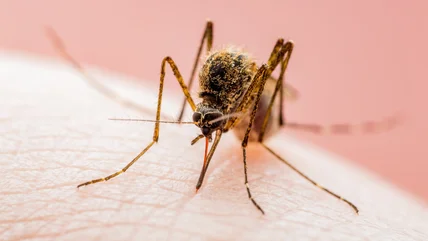
West Nile virus has been a significant concern all summer, but September is peak season for the mosquito-borne disease. Luckily you can protect yourself.
Read More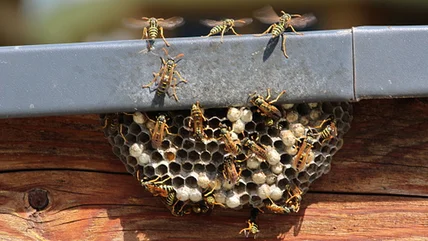
Dealing with a wasp nest under your eaves or in your garage can be stressful, but you can douse them and kill them from a distance with a household cleaner.
Read More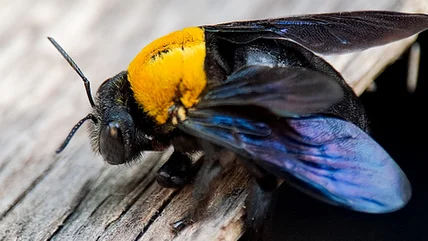
Finding carpenter bee nest holes in your deck or siding is no fun. Rather than reaching for chemical sprays, easily remove them with a tool from your garage.
Read More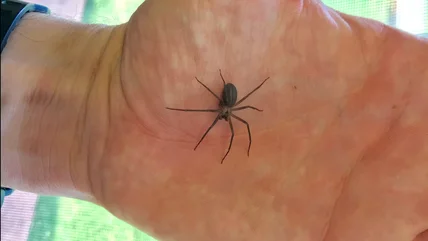
It’s worth noting that brown recluse spiders rarely bite, and their bites are usually mild. If you do get bitten, don’t panic: Take these steps to be safe.
Read More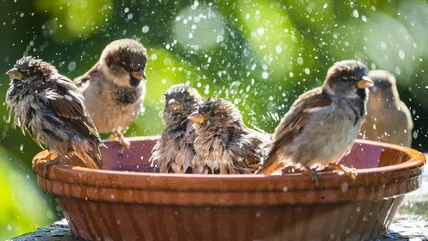
Birds need a shallow basin for a birdbath, but that little bit of water heats up quickly in the sun. Help keep the water cool each morning with one addition.
Read More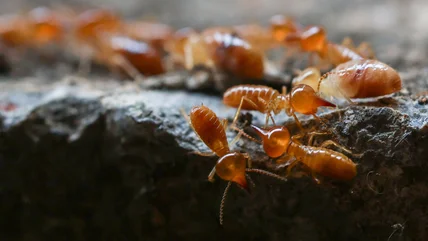
While they won’t stop full-blown termite invasions, some natural solutions actually work. One aromatic option kills on contact and deters newcomers.
Read More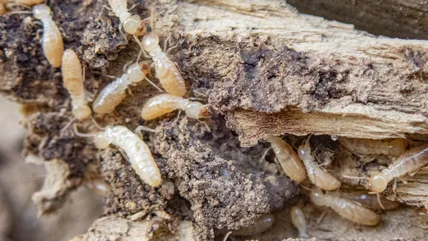
If you thought termites only attacked fences, decks, and foundations, surprise! Some species munch on living trees. Here's how to stop the spread immediately.
Read More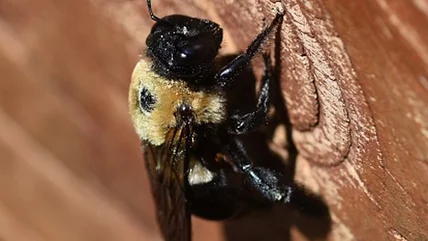
Some gardeners claim this herb, whether planted in a container or sprayed as an essential oil, can keep destructive carpenter bees away. Here’s how.
Read More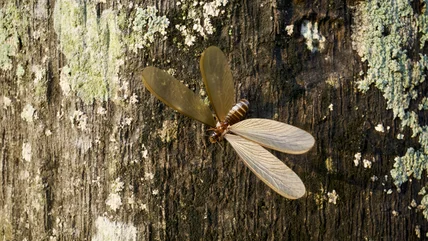
When dealing with termites, we often reach for chemical insecticides. Encouraging natural predators of these destructive pests is a good preventative tactic.
Read More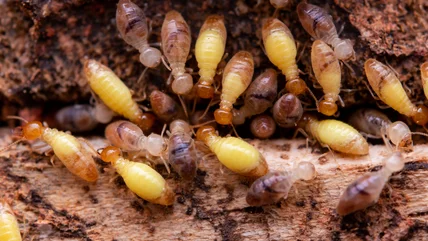
Seeing a termite in or around your yard means there are likely hundreds more nearby. One natural ingredient can help prevent an infestation before it begins.
Read More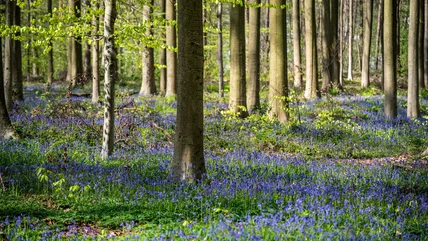
Walking through a meadow or forest, it’s tempting to pick colorful blooms along the way. However, you could be breaking several laws and not even know it.
Read More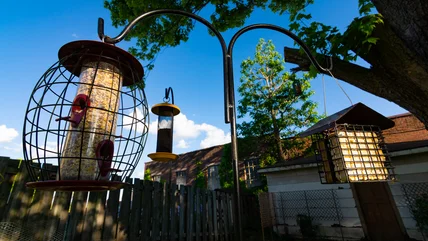
A lot of birds we see in our backyard seem pretty common. Even so, it's important to be aware if they, and their nests, fall under federal or state protection.
Read More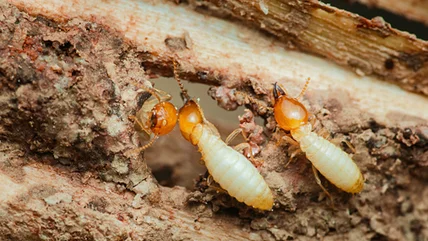
Termites are the bane of homeowners. While there’s plenty of advice online and from pest control companies, it’s nice to know we can go straight to the EPA.
Read More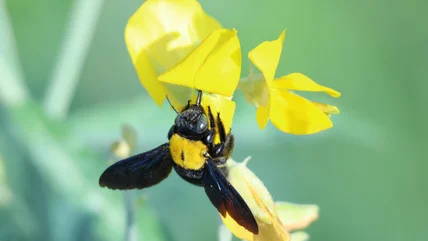
Carpenter bees drill circular holes in your wood deck or siding to build their nests. But there’s another visible sign that may be a better indicator of bees.
Read More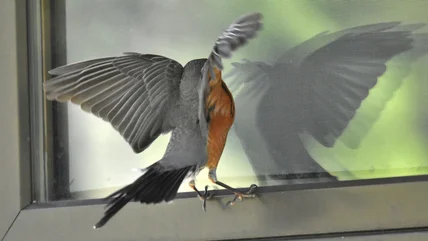
The "thunk" sound when a bird hits a window of your house is chilling. A decoy protects one section, but one cheap method helps birds avoid the whole window.
Read More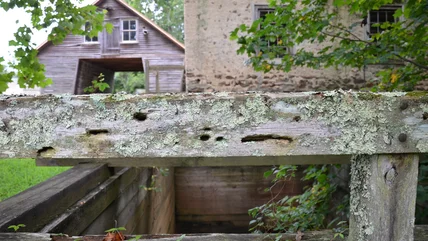
Perfectly circular holes in your wood deck or siding with little piles of sawdust clinches it: You’ve got carpenter bees. But they’re not eating your house.
Read More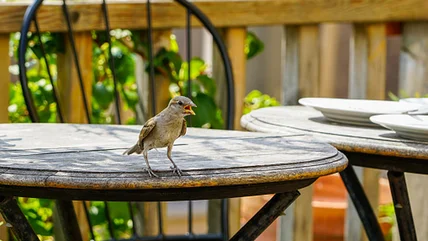
When you gotta go, you gotta go, and birds are no exception. When trying to attract birds to our yards and patios, we might forget about the side effects.
Read More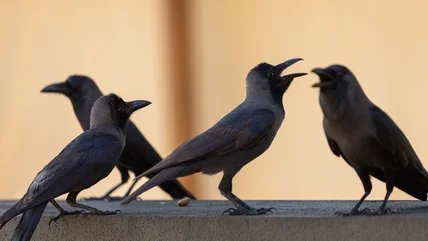
Chances are, you’ve seen large, jet-black birds on lampposts or grabbing food off a road. Whether it’s a crow or a raven depends on location, size, and sound.
Read More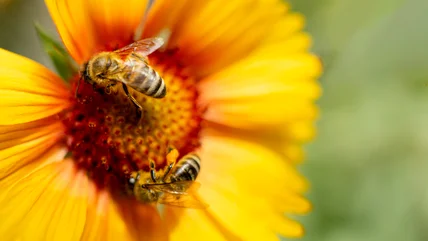
If you've ever been stung by a honeybee, you likely know they died soon after. Though seems like a tall sacrifice, there are reasons some bees don't make it.
Read More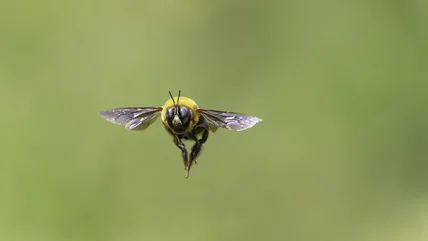
Carpenter bees already seem imposing, but when they're hovering and buzzing right in your face, you have to wonder what's next. Fortunately, it's all show.
Read More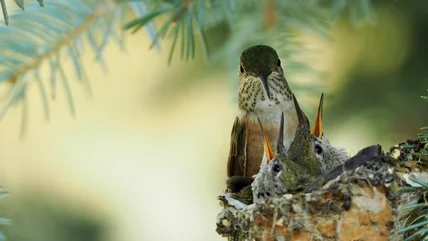
Just because hummingbirds visit your flowers or feeders, doesn’t mean there’s a nest nearby. But there are several clues when you’re hosting a bird B&B.
Read More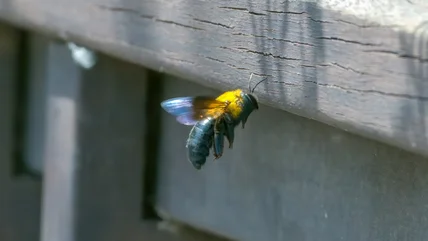
Carpenter bees are beneficial pollinators, but destructive to wood decks, houses, and rooflines. Rather than kill them, send them off with this easy deterrent.
Read More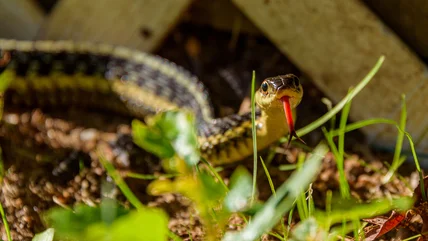
A diverse landscape in your yard or garden can attract pollinators, but it can also attract snakes. Snakes love this decorative plant for a number of reasons.
Read More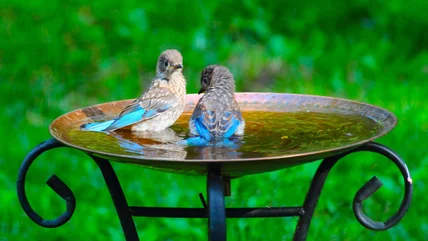
There's something of a consensus that a few pennies will help inhibit algae in a birdbath. So an all-copper birdbath should work even better. But does it?
Read More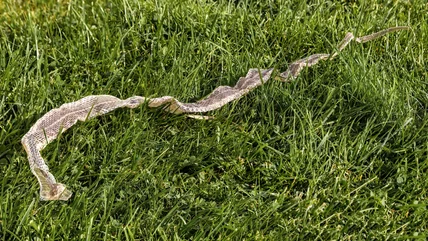
A shed snake skin laying on your grass or in your flower bed means a snake has been in the area. But don’t panic: Take these steps instead to learn more.
Read More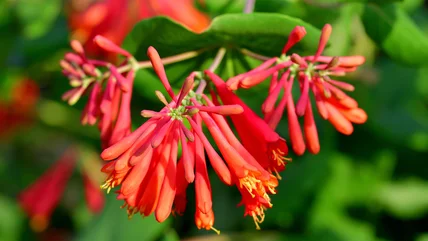
Lots of flowering plants attract birds, but this native climbing vine particularly appeals to two popular flying visitors for slightly different reasons.
Read More