

The 'Snake Magnet' Plant You Probably Grow In Your Yard
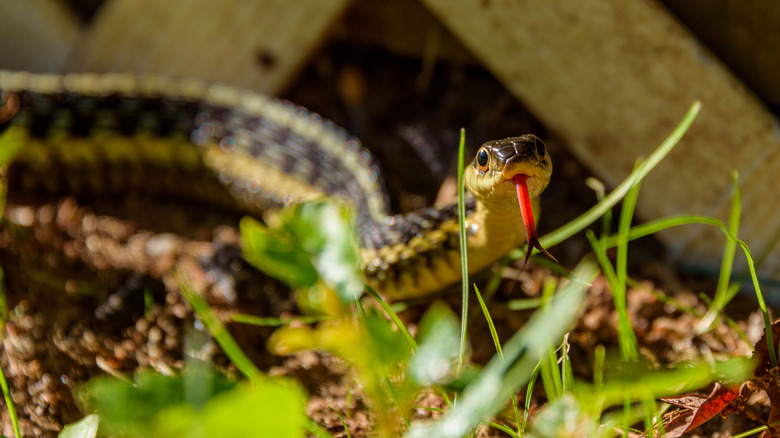
While there are some snakes you may actually want to see in your yard, as they can provide natural pest control, there are plenty of snakes most people don't like to find in their lawn or garden. Both the encouraged and unwanted serpents are typically attracted to much the same things — food, water, and shelter. Unfortunately, there are some popular plants that may be attracting snakes to your yard. One such is pampas grass (Cortaderia selloana), a popular ornamental grass native to South America but found in many yards across the United States.
Pampas grass is almost the perfect plant for attracting snakes to your yard. The primary issue is that it grows in tall, thick, dense clumps, creating the sort of shelter to which snakes are attracted. Given that most lawns in the U.S. are neatly manicured, pampas grass provides snakes a sort of oasis in the midst of otherwise unsuitable terrain, offering both a hiding spot and much-needed shade. That same shelter and shade is popular with critters such as mice, insects, and other vermin that snakes often make meals of. As such it's another reason the tall grasses may be drawing snakes to your house like a magnet.
How to solve the pampas grass problem
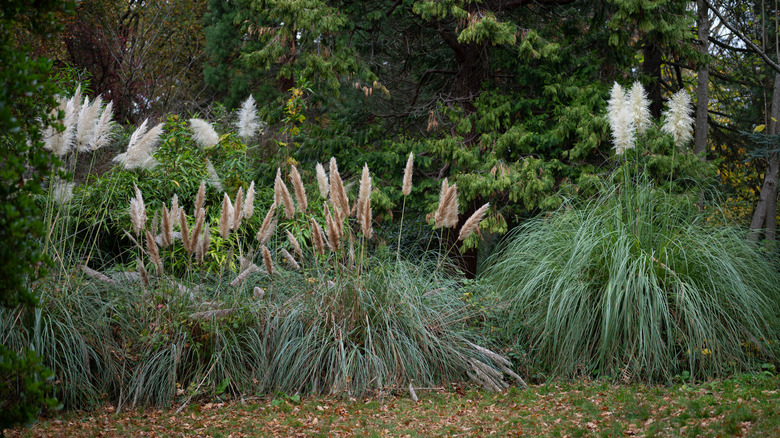
The only sure-fire way to keep snakes from being drawn to pampas grass is to get rid of it. However, that in itself is no easy task, as pampas grass can spread quickly and easily re-establishes itself. The best bet is to dig it out, making sure to completely remove the root structure. Otherwise, you will need to use a potent herbicide or cut it back and smother it by leaving a heavy tarp over the roots for an extended period of time. Of course, the tarp will smother anything else it covers.
If you are determined to keep your pampas grass, there are a few things you can do to limit its appeal to snakes. One is to reduce the availability of food and water in proximity of the grasses. This means relocating any water sources, if possible, and ensuring there are no food sources that might draw mice and rats to the area. This can include spilled seed from bird feeders, uncovered garbage, pet food, grain bags, and other treats. Keep pampas grasses as thinned and trimmed as possible to reduce its shelter potential for either snakes or prey. Prune it back to about 6 inches high during late winter, and remove any dead grass built up within the base of the plant.
You can also try adding natural snake repellents in or around pampas grasses. For instance, a gravel base around the plant can prevent snakes from slithering toward the grasses. You may be able to keep snakes away with common scents like cinnamon oil. Additionally, just as some plants attract snakes, others repel them. So, you could also try growing plants that deter snakes, like lemongrass or marigolds, to create a sort of barrier around your yard or garden beds.