

Pretty Forest Flowers You Might Not Realize Are Legally Protected
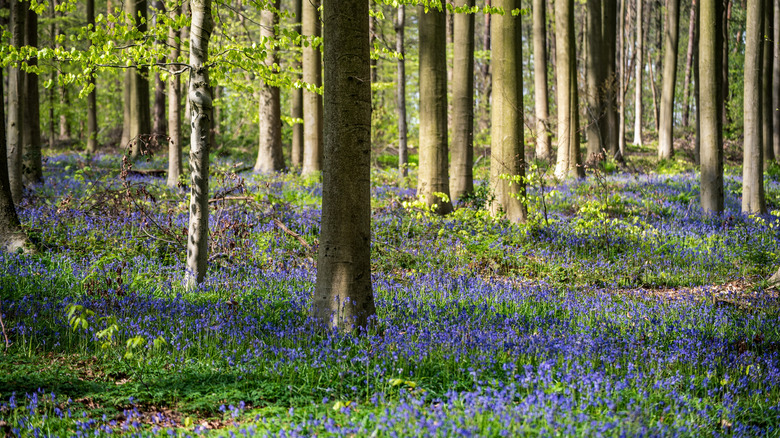
Wildflowers add color, depth, and character to the landscape. In wooded areas for example, pretty blooms blanketing the forest floor provide a colorful contrast to brown, humus soil and towering trees. While it's tempting to pluck a few flowers for a pretty bouquet, it is usually best to refrain: Depending on where you are and what land you're standing on, it may be illegal to remove any flowers. Additionally, some species are off limits for picking no matter where they are found.
The reason there is no definitive list of forest flowers you are prohibited from picking is because laws governing removing wildflowers come in several forms. The first type of protection has to do with where they are found. Flowers growing on most federal lands — such as in national parks and national forests — are protected and cannot be picked, regardless of species. In fact, except under very limited circumstances, taking flowers is against the law at U.S. national parks and among the biggest mistakes visitors make. One place you can pick a few flowers for personal use is on most lands managed by the Bureau of Land Management (BLM), as long as they're not otherwise protected (i.e. endangered or threatened species).
Another place where it is typically illegal to pick flowers is along roadsides. Many of the most incredible U.S. road trips are along thoroughfares lined in spring and summer with colorful blooms. However, the easements on either side of the road is generally owned by either a government entity or private landowner. When it's government land, flowers are typically protected from being picked. While some states may allow pinching off a bloom or two, uprooting an entire plant is a no-no on any public land. Picking plants on private land, meanwhile, can escalate to a trespassing issue.
The Endangered Species Act also protects plants
When most people think of the Endangered Species Act, they inevitably think of animals such as rare wolf species or whooping cranes. However, the Endangered Species Act protects plants, too. In fact, there are more endangered plants than animals in the U.S. Currently, there are 725 plants on the endangered species list, while 495 animals have that designation. Another 173 plants are listed as threatened.
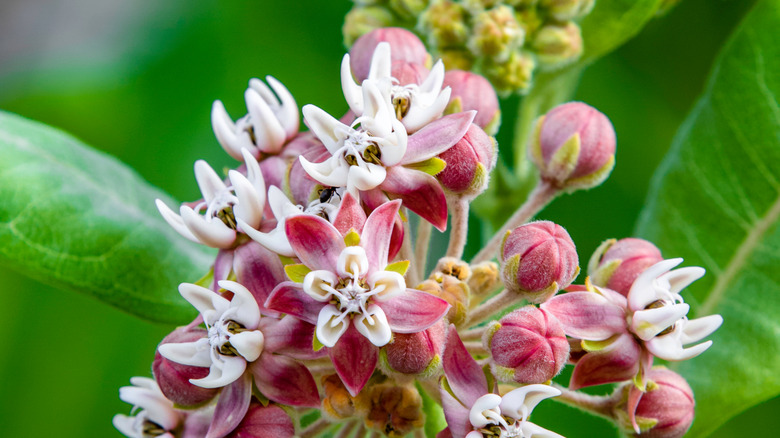
Although both plants and animals are protected under the Endangered Species Act, the level of protection can be quite disparate. The biggest difference is that endangered animals cannot be harmed or collected on private land as well as public. It is not, however, against federal law to harvest endangered plants on private land. But this does not necessarily mean it's legal to do so. That is because 32 individual states have separate endangered species laws. In some states, endangered plants are part of the same regulations as animals. Other states have entirely different sets of laws regarding plants. Mead's milkweed, for example, is listed as threatened by the federal government, but classified as endangered in Missouri, Illinois, and Iowa.
Forest flowers and other wildflowers become endangered in pretty much the same ways as animal species. The chief culprit for plants is habitat loss due to development. It's important to remember that a number of creatures, ranging from honey bees to whitetail deer, often depend on specific plants for survival. So, whether you're on private or public land, make a point of knowing whether there are federal or state laws protecting a wildflower before you pick it. In the end, it may be best just to admire it in place.