

5 Natural Predators That Eat Termites
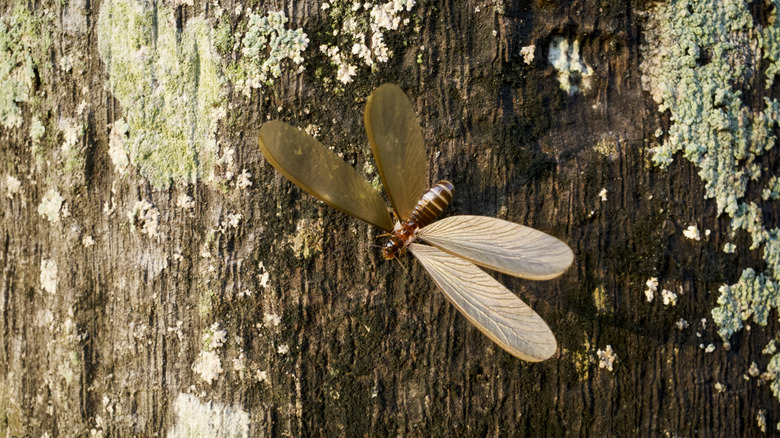
If you're a homeowner, you probably already have a healthy dislike for termites. The creepy crawlies are known to chew on wood, destroying everything from foundations to fences. Fending off an infestation can feel like an exercise in futility. While there are chemical and natural means to get rid of termites, there are also, luckily, a variety of wild animals that are happy to help out. Like many other insects, termites are a food source for certain birds, bats, and reptiles, particularly during seasonal swarms and when larvae emerge in large numbers. So encouraging these predators to visit your yard can give you a fighting chance against a burgeoning bug invasion.
Unfortunately, most of these predators won't do much to eliminate an established termite colony hidden beneath a deck or under a house, but they do play a role in the broader ecological balance by taking advantage of one of nature's most plentiful insects. So it's worth taking steps to convince these natural predators to make your yard their home, by installing features such as birdbaths, bat boxes, or amphibian habitats.
However, it's important to keep your expectations realistic. Employing hacks to get birds to flock to your yard isn't a substitution for termite-proofing your home, or addressing an active infestation. If termites are damaging your house, professional inspection and treatment will still be the most reliable solution.
Little brown bat
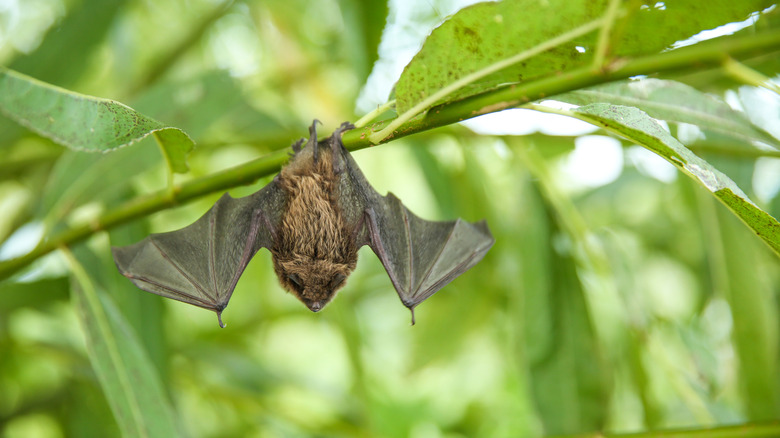
Our first termite eater is the little brown bat (Myotis lucifugus). These highly effective insect hunters are found across the contiguous United States, with major clusters in the Pacific Northwest, though populations are dwindling in some parts of the country. These opportunistic feeders make for excellent termite predators, taking to the skies to feed as darkness falls. Though mosquitoes, mayflies, and midges make up much of a bat's diet, the winged hunters aren't especially picky. They'll run through hordes of winged termites during seasonal swarms with reckless abandon, eliminating large swaths of the population during one of the most crucial points in the bug's life cycle.
Homeowners interested in supporting these flying mammals (it's a good thing to have bats in your garden) can make their property more welcoming by installing properly designed bat houses or bat boxes, minimizing unnecessary outdoor lighting, and avoiding broad-spectrum insecticides that reduce the insects which bats rely on for food. Providing a water source, such as a pond or a birdbath, may also encourage bat activity in some areas. While little brown bats won't remove existing, subterranean termite colonies, they can help reduce the number of flying termites attempting to establish new nests.
Eastern bluebird
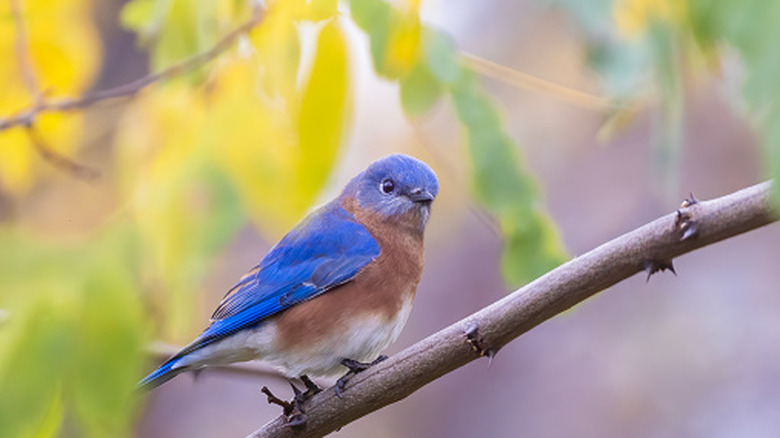
Much like little brown bats, eastern bluebirds (Sialia sialis) are known to make short work of many frustrating insects. These birds are noted for their vibrant hues, proffering brilliant blue backs and warm orange chests for your birdwatching pleasure. They're also skilled insect hunters, who consume large portions of termites and other bugs throughout much of the year. Unlike bats, they eat both flying and crawling critters, so if a termite is out of its hole, it's fair game.
Eastern bluebirds typically hunt by perching on low branches, fences, or garden stakes while scanning open ground and the surrounding air for movement. Once they spot prey, they swoop down to capture it before returning to the perch. This sit-and-wait hunting style works well for a variety of insects, including beetles, grasshoppers, caterpillars, and of course, termites. While they mostly feast on bugs on the ground, during warmer weather flying swarms become easy targets for bluebirds, including reproductive female termites, as they emerge from the soil and struggle to gain altitude.
Like other creatures on this list, bluebirds shouldn't be viewed as a one-size-fits-all solution for a termite infestation. These birds hunt and feast above ground, rather than raiding those hidden worker termites quietly feeding on your structures. Luckily, Eastern bluebirds are one of the easiest native birds to encourage in a yard. Installing a properly designed bluebird nest box (which have been important to rebuilding bluebird populations) in an open area, maintaining a pesticide-free landscape, and providing native trees, shrubs, or open grassy spaces can help to make your property more attractive to these birds. You'll also want to keep invasive swallows away from the nest boxes. A birdbath or shallow water source can also encourage regular visits, particularly during hot summer weather.
American toad
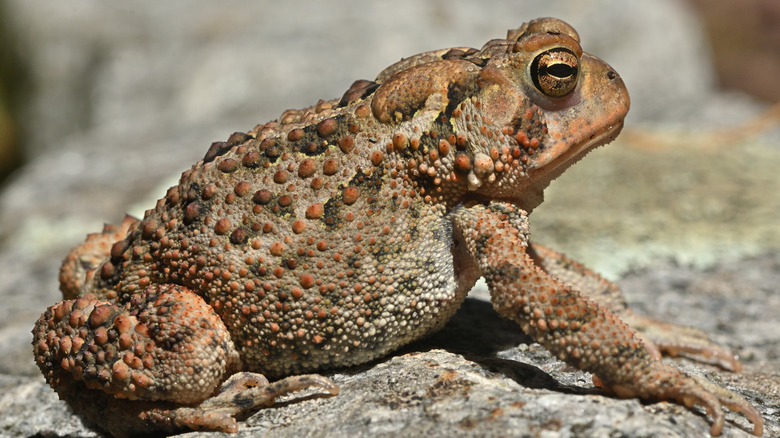
Taking our termite battle to the ground floor, we've got the illustrious American toad (Anaxyrus americanus). Unlike the winged hunters, these natural termite eaters spend their time tucked beneath shrubs, hidden along garden beds, and camouflaged in the mud, waiting patiently for their prey to get too close. These familiar amphibians are opportunistic insect hunters, feeding mostly at night, with a varied diet that includes a number of garden pests, including ants, slugs, and termites. In fact, just one toad can eat thousands of insects per month!
Like some of the other hunters on this list, American toads are most effective at taking out termites in the spring, when the bugs emerge from their colonies. Many of these are scooped up by toads as they crawl across the ground in search of a new nesting place, while others are gobbled up as they land on nearby logs or rocks. For an American toad, these slow-moving insects are easy prey. Rather than chasing them down, the toad simply waits until a termite wanders within range before snatching it with a sticky tongue or its front legs in the blink of an eye.
Welcoming these toads to your yard or garden is also relatively simple. They appreciate shady hiding places beneath shrubs, including logs, rocks, or dense ground covers where they can stay cool during the day. Even a small brush pile or patch of leaf litter can provide important shelter. A shallow source of fresh water and a garden free from unnecessary chemicals also makes your landscape more attractive to these helpful amphibians. You can even DIY a small frog hotel, adding a bit of ornamental flair to your yard (frogs eat termites too).
Green anole
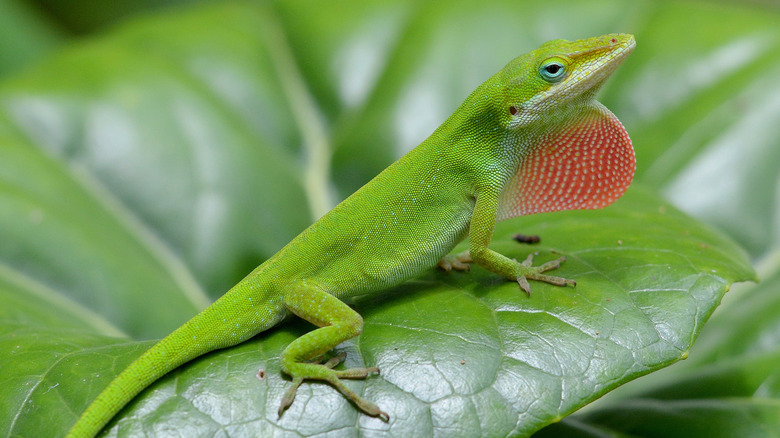
If you live in the southeastern United States, you've probably already spotted your fair share of green anoles basking on fence posts, clinging to tree trunks, or darting through shrubbery. The vibrant lizards, sometimes nicknamed the American chameleon because of their ability to change between shades of green and brown, are a familiar sight in many thriving gardens. While anoles may only measure a few inches in length, they make for surprisingly skilled predators that spend their days hunting a wide variety of insects, including termites when the opportunity presents itself.
Green anoles typically rely on their excellent eyesight to locate prey. Rather than chasing insects over long distances, they remain motionless until something edible wanders within striking range. Similar to the American toad, the standard anole diet consists of flies, beetles, spiders, and other small invertebrates, making them valuable allies in the garden. But, they've made this list because they do a terrific job of scouring fences, trees, and garden structures for swarming termites, preventing them from forming fresh colonies.
While anoles won't be able to completely stop the risk of structural damage to your home, their hunger for termites should be viewed as part of their larger importance to a balanced ecosystem. To encourage these reptiles to visit, plant native trees, shrubs, vines, and other dense vegetation which anoles can use to bask, hide, and hunt. Natural features such as logs, brush piles, and climbing plants can also cultivate the shelter they need to thrive.
Purple martin
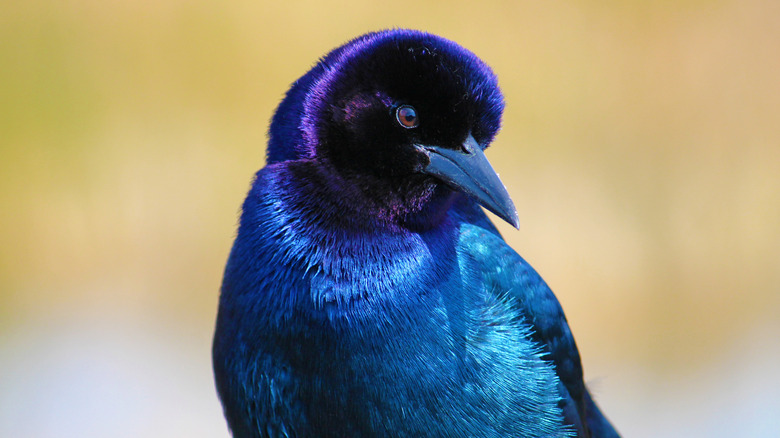
Closing out our list of natural predators that feast on termites is the lovely purple martin (Progne subis). This beloved bug-eating bird, which belongs to the swallow family, is distinct for its graceful flight pattern, cheerful chatter, and indigo feathers, which contrast beautifully against green suburban shrubbery. As the largest swallow in North America, the purple martin spends much of its day soaring overhead, catching insects in midair with impressive speed and agility. While their diet includes everything from beetles and flies to dragonflies and wasps, winged termites can become an especially appealing food source when seasonal swarms manifest.
Like many aerial insectivores, purple martins are opportunistic feeders. Rather than searching specifically for termites, they capitalize on whatever flying insects are most abundant, with each bird wolfing down as many as 40,000 bugs per year. During termite swarms, thousands of winged reproductive females may emerge over a short period, creating a temporary buffet that is difficult for these hungry birds to ignore.
If you're looking to encourage these songbirds in your yard, you're in luck: Purple martins readily nest in specially designed bird houses provided by humans, particularly throughout the eastern United States. In fact, east of the Rocky Mountains they rely almost exclusively on human-supplied nesting structures. So installing and maintaining a properly sized martin house in an open area can encourage these striking birds to return year after year. Adding a clean water source can make your yard even more attractive.