

Say Goodbye To Termites: The EPA's Best Advice For Preventing An Infestation
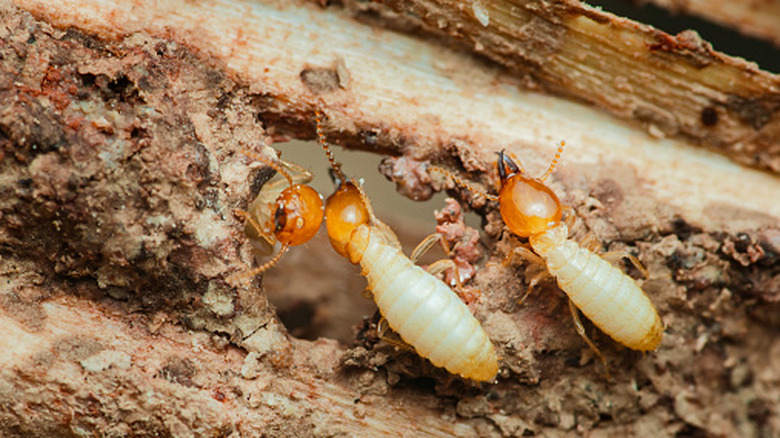
The United States Environmental Protection Agency (EPA) is charged with keeping the public and the environment safe when it comes to all things involving air, water, and land. While much of this effort is focused on big industry, the EPA also gets involved at the individual level. Examples run the gamut, from cautioning against using borax to kill weeds due to mild toxicity to recommending safe ways to get rid of stink bugs. The EPA also issues information on how to prevent one of the most common and destructive household pests — termites.
According to the EPA, there are steps you can take to safeguard your house from termites throughout its lifespan, especially as it is being built. As the old saying goes, a solid foundation is critical to success, which is certainly true when it comes to termite prevention. The EPA advises using a concrete foundation and leaving space between the soil and any wood to help prevent termites from being attracted to your home. They also suggest covering all wood with a liquid sealant or metal barrier. For owners of extant homes, it's too late to go back and make a new slab. However, it is still possible to go around and under your home to seal or cover any exposed wood. You should also seal wooden decks and other structures that could attract termites.
Preventing termites is an ongoing process
After a home is built, preventative maintenance is just beginning. There are a number of steps the EPA suggests doing on an ongoing basis to avoid a termite infestation. First, ensure that the ground around and under your home is well-draining and remains relatively dry, as termites thrive in both moist soil and damp wood. If you have significant drainage issues, you may need to consider regrading and installing a French drain. The EPA also recommends regularly cleaning your gutters and making sure downspouts are pointing away from the home. Should any faucets or pipes begin leaking, they should be fixed immediately to prevent the ground from becoming saturated.
Trees and shrubs can be an issue, as they can serve as a conduit to bring termites into your house. With that in mind, the EPA recommends not planting trees or bushes close to your home and trimming trees and bushes to keep branches away from exposed wood. Foliage should also be kept away from vents to ensure proper air flow. And it's not just live trees: According to the EPA, keep firewood and debris from pruning away from the house, as those piles can be magnets for termites.
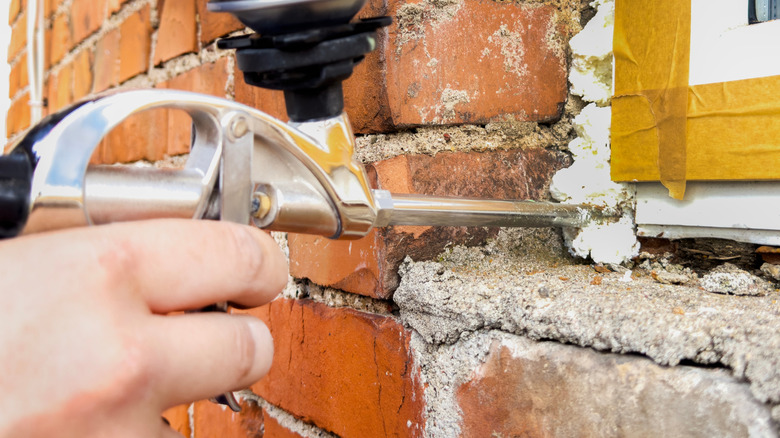
Finally, the EPA suggests regularly filling any gaps, cracks, or holes in walls, windows, eaves, or overhangs. This essentially makes it more difficult for termites to access homes, especially buildings with no otherwise exposed wood. Even when you're following all of these suggestions, the EPA says it's important to regularly inspect your home for any signs that termites are present. Should a termite colony be spotted in the yard, the EPA suggests utilizing a natural solution termites can't survive, such as beneficial nematodes, or calling a responsible pest control company.