

It's Peak West Nile Virus Season In The US: Here's How You Can Protect Yourself
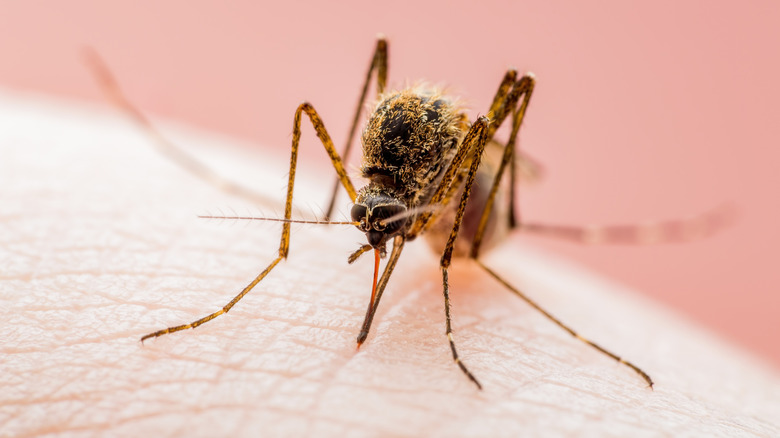
Mosquitoes are universally hated. Anyone who spends time outside, whether relaxing in the back yard or trekking through the back country, has undoubtedly encountered these pesky blood-siphoning insects. However, mosquitoes are more than just an annoyance. Several dangerous types of mosquitoes spread a variety of diseases. In the United States, the most common of these illnesses is West Nile virus. There are no vaccines to prevent, nor medications to treat West Nile, so the best way to protect yourself is to avoid mosquito bites. That doesn't mean you have to shut yourself indoors. Wearing the proper clothing, adjusting the times you are outside, keeping outdoor spaces around the home properly maintained, and wearing proven repellents can help prevent mosquito bites and West Nile.
On average, about 2,000 people are diagnosed with West Nile in the U.S. annually (though the actual number might be higher). Around 130 of those cases result in death each year. Throughout most of the country, West Nile season is considered to be June through October, with August and September typically seeing the highest number of cases. In the southernmost portions of the country, the season can start earlier and end later. Essentially, the season coincides with the warmest times of the year, post-freeze, and when mosquitoes are most active.
The transmission cycle of West Nile involves more than just mosquitoes and humans. The transmission to humans actually begins when a mosquito — typically one of the Culex varieties common in the U.S. — feeds on a bird infected with the virus prior to biting a person. So the mosquito acts as a conduit for the disease to pass from birds to people. Once infected, many people show no or mild symptoms, while others may experience issues such as nausea, vomiting, diarrhea, headache, and fatigue anywhere from 2 to 14 days after being bitten.
Minimize your risk of West Nile virus when spending time outside
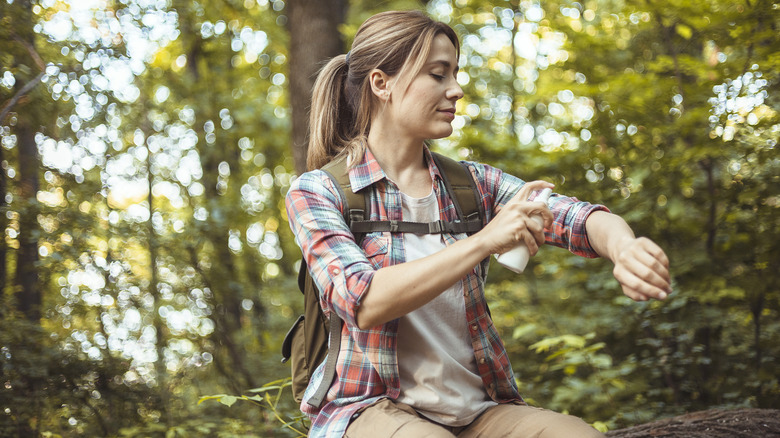
Since people are at risk of contracting West Nile virus any time they are outdoors when mosquitoes are active, it is a good idea to make proper protection a habit. However, this year saw an unusually high number of cases reported, in a record number of states, during the early part of the summer, making an even stronger argument to protect yourself during the height of this West Nile season. The best way to keep yourself safe is to take a multi-pronged approach any time you are outside.
The number-one step recommended by the Centers for Disease Control is wearing an EPA-approved mosquito repellent, such as those made from DEET or picaridin. Repellent should be applied to all exposed skin. That actually leads to the second thing you can do: Limit the amount of exposed skin by wearing long-sleeve clothing instead of shorts and t-shirts. This creates a barrier which makes it more difficult for mosquitoes to penetrate skin, resulting in fewer bites. Some experts suggest treating clothing with permethrin for an added layer of protection.
Time and place can also be addressed. Mosquitoes are most active during dawn, dusk, and nighttime hours. Limiting how long you are outside at these times reduces your exposure. You can also take steps to protect the places in which you spend time, such as your backyard or a campsite. If your yard is swarming with mosquitoes, it's likely due to standing water, such as in a bird bath or old bucket. Eliminating water sources can greatly reduce the number of mosquitoes. When camping, avoid making camp near bodies of still water like ponds or swamps. Don't wear sweet-smelling lotions or perfumes which attract mosquitoes. Additionally, keep your tent zipped and utilize mosquito netting as much as possible.