

Turn Your Yard Into A Wildlife Haven With These Simple Tips
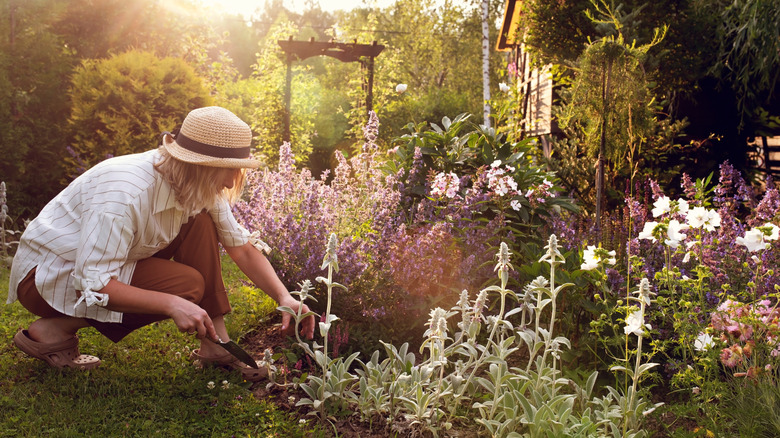
There's a quiet revolution taking root in yards and gardens across the world — one that doesn't rely on perfection, symmetry, or pristine green lawns. It's called rewilding, and it's the practice of restoring natural systems by allowing plants, animals, and landscapes to return to a more self-sustaining state. In a home setting, that means working with nature by incorporating strategies like planting native species, inviting wildlife, reducing human intervention, and ultimately trusting that the land knows how to care for itself when given the chance.
At its heart, rewilding is an act of respect. It stems from the belief that nature isn't something to be controlled, but something to exist in relationship with. While traditional landscaping often emphasizes order and cleanliness, rewilding takes a slower, more intentional path; one that values fallen leaves, irregular growth, and organic cycles as vital parts of a thriving ecosystem. It's not about replacing what came before, it's about offering a new perspective. One where beauty is defined by biodiversity, and success is measured by the life your space supports.
But here's the best part: You don't need to be an expert to get started. Whether you're adding a water feature, building a brush pile, or providing food and shelter to species that are struggling against urban crawl and chemical landscaping, every step helps. The transformation happens slowly: season by season, layer by layer. All you have to do is begin, and let nature do the rest.
Observe what's already wild in your space
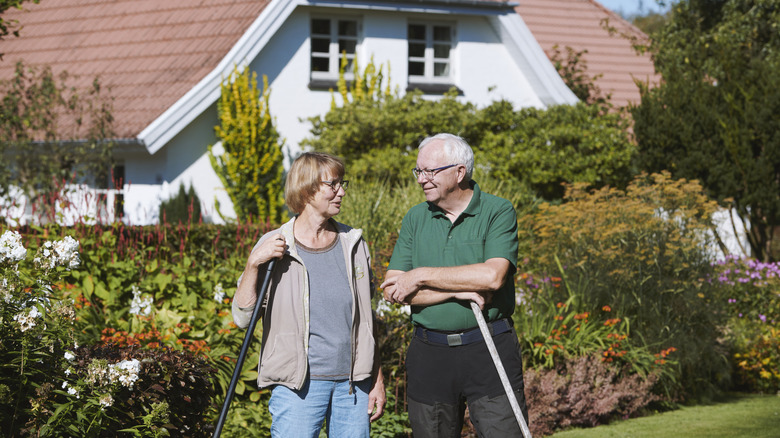
Before you plant a single seed or pull that first weed, hit pause. One of the most powerful rewilding tools is simple observation, a practice that begins with slowing down and tuning into what's already there. Think of it as a site assessment, but instead of clipboards and hard hats, you're using curiosity and care. This is about letting the land teach you what it needs: Learning where sunlight falls, where water pools, which plants persist without help, and who shows up uninvited (and welcome).
No matter how small or suburban, every yard is part of a living web. By watching what naturally grows and which creatures visit — like bees, beetles, birds, deer, and more — you're decoding the local ecosystem's playbook. Native plants and wildlife have co-evolved over millennia, forming deep-rooted partnerships. When you observe first, you don't just make better planting decisions, you start to see your yard as a story already in motion, rather than a blank canvas to be manipulated.
Getting started is simple: Find a spot to sit, get quiet, and use all your senses. What do you hear? What's moving? Look high, low, and even beneath leaves or logs And what you'll discover is that nature is full of surprises in places people usually overlook. If you want to go deeper, snap photos, take sketches, or use a tool like iNaturalist to document what you see. Ultimately, you're taking stock of the plants, fungi, and animals that share the land with you. By asking yourself what they need to thrive, you're one step closer to rewilding your space.
Stop using pesticides and synthetic fertilizers
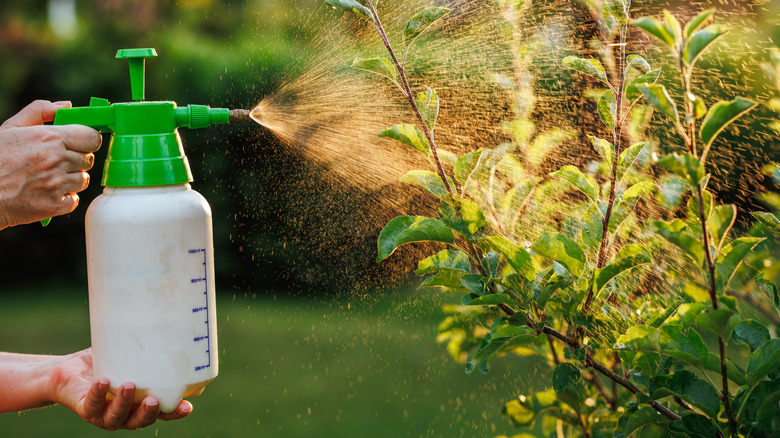
Thanks to conventional wisdom, many people were taught that a healthy yard needs a bag of fertilizer and a bottle of bug spray. But rewilding offers a different perspective where, instead of managing nature with chemicals, you create a space where the ecosystem manages itself. And by ditching synthetic pesticides and fertilizers, you trade in short-term benefits for long-term resilience, without all the risks that come with using chemicals. It's not about "going organic": It's about making your yard a refuge where life, not lawn care, becomes the priority.
Here's the thing: Pesticides don't just target pests — they wipe out entire food webs, harming pollinators, amphibians, and even the microbes in your soil. Fertilizers might green up your grass, but they also leach into waterways, causing algal blooms and choking aquatic life and creating a global biodiversity crisis. By stepping away from chemical pesticides, you're not just helping frogs and bees, you're protecting water, soil, and your own health. Plus, stronger soil equals stronger plants, which means fewer problems down the line.
The good news? You've got options. Start by building your soil with compost, leaves, or aged manure (think feed the soil, not the plant). Swap the spray bottle for dense planting (for weeds), companion planting (to fertilize and support each other), and natural predators like birds, ladybugs, and toads that will all happily munch on pests. The more you let nature handle the heavy lifting, the more alive your yard becomes.
Replace your lawn with native plants or a meadow habitat
The lawn is the crown jewel of the American yard, but the trouble is that lawns are essentially green carpets: Shallow-rooted, single-species spaces that demand constant mowing, watering, and chemical inputs. By swapping out turfgrass for native plants or a mini meadow, you transform your yard into a layered, living ecosystem that supports life and biodiversity instead of suppressing it.
And the ecological payoff is huge. Traditional lawns offer little in the way of habitat value, while native alternatives create food and shelter for bees, butterflies, birds, and beyond. The wildflowers and natural "weeds" you plant aren't just pretty; they're lifelines for species like monarchs and goldfinches. And because native plants have deep roots — sometimes over 15 feet — they help absorb rainfall, reduce erosion, and protect water quality. Plus, once established, meadows are way less needy: No constant mowing, no fertilizer, no sprinkler schedule. Just vibrant, low-maintenance beauty that changes with the seasons.
If you're not ready to tear up the whole yard, don't worry: You don't have to. Instead, start small. Pick a tough-to-mow spot or a random strip along the fence line. Lay down compost and mulch to smother the existing turf, or use solarization to prep the area and get rid of invasive ornamental grasses. Then plant a mix of native perennials, grasses, and annuals suited to your region. Define the edges with curves to give it that intentional "designed wild" look. You may need to mow your new meadow three times in the first year as it establishes. Over time, the pollinators will show up, and so will your neighbors, asking how you did it.
Plant in layers
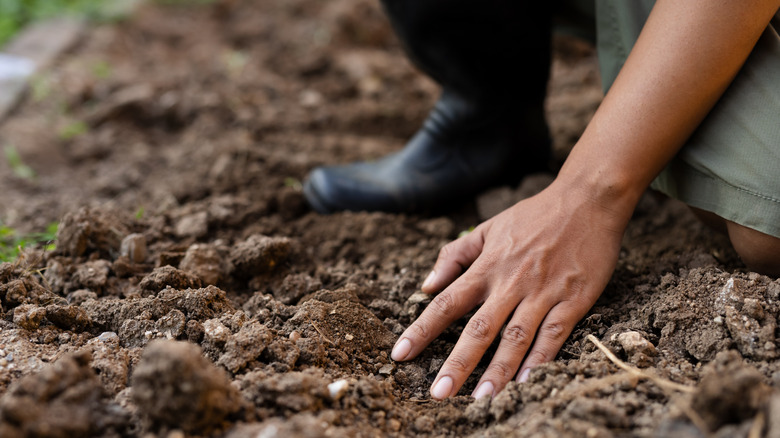
One of the smartest ways to boost biodiversity and ecosystem function is by planting in layers, the same way nature does. Known as vertical layering, this approach stacks plants by height and function: canopy trees, understory trees, shrubs, herbaceous plants, and groundcovers for mulch. Each layer plays a role, creating a habitat that's not only more beautiful but far more functional than a flat, single-height garden. Whereas traditional gardening would see you adding plants, rewilding would see you adding depth, both literally and ecologically.
Why plant vertically? Because different species live, feed, and shelter at different heights. Ground-dwelling pollinators, mid-layer nesters, and canopy-dwelling birds each needs a niche, and a layered yard makes space for all of them. On top of that, varied root depths improve soil health, prevent erosion, and help retain moisture. The lower layers act like a living mulch, keeping soil temperature low and reducing the need for watering. Dense, layered plantings also create safe corridors for wildlife to move through and protect themselves from predators.
To get started, focus on the layers that make sense for your space. Begin at ground level with native ferns, sedges, or low wildflowers — plants that fill in quickly and protect the soil. Then add shrubs like serviceberry or native viburnum to build out the middle story. If you don't have room for big trees, that's fine. Mimic a forest edge by clustering plants around fences or garden borders (many hummingbird species, in particular, love forest edge habitats). The more complexity you build in, the more life your yard will support.
Leave logs, leaves, and brush piles
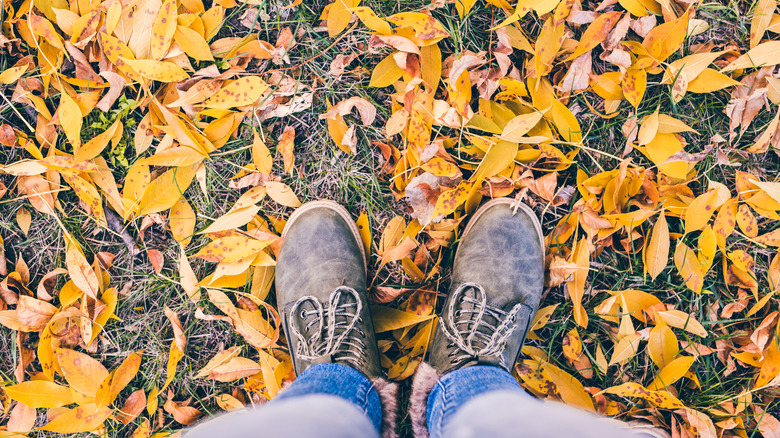
If you've ever been told to keep your yard tidy, here's your official permission slip to let it get a little wild. One of the simplest and most impactful rewilding moves? Leave the debris. Yard "waste" like fallen leaves, downed branches, and brush piles is actually premium habitat. Nature doesn't rake, bag, or dispose. It builds. And that organic mess is the foundation of a functioning ecosystem. You're creating shelter, food, and nesting spots that turf grass and mulch beds just can't match.
Ecologically, this is huge. Leaf litter protects the soil and shelters overwintering insects. Brush piles give small mammals and reptiles a place to hide from predators and harsh weather. Even birds like wrens and towhees use them to nest. And logs? They're long-term investments, slowly decomposing into microhabitats for fungi, salamanders, beetles, and the very organisms that rebuild healthy soil from the ground up. This is the stuff the food web literally grows from.
Want to do it right? Start by raking leaves into garden beds, or a space far enough away from the house animals feel safe. Use larger limbs or logs to form a stable brush pile base, then layer twigs and plant clippings in a teepee-like shape to create internal shelter. Got a downed tree? Don't haul it away, tuck sections into shady spots or partially bury them to retain moisture and kickstart decay. If you start thinking of it less like a pile of sticks and more like a five-star wildlife hotel, you're probably on the right track.
Install water sources
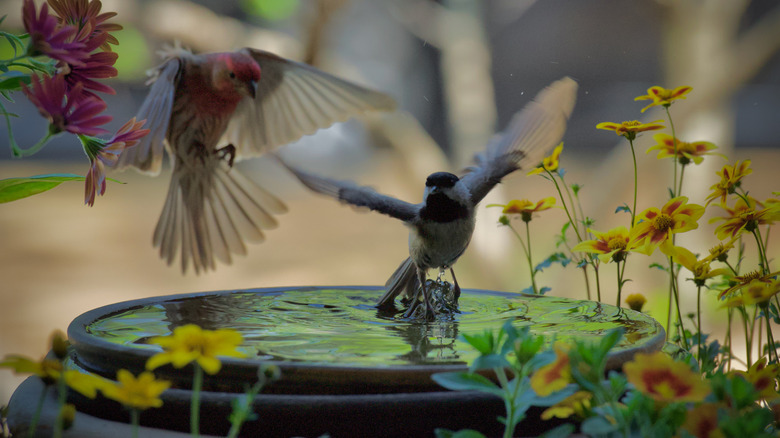
Whether it's an adorable DIY birdbath or an elaborate backyard wildlife pond, providing a clean, reliable water source is one of the most impactful things you can do to attract life. Birds bathe and drink, butterflies sip minerals from shallow puddles, and frogs find places to breed. And it all starts with access to H₂O. In suburban areas where natural water sources are paved over or polluted, even a small dish of fresh water can become a lifeline. The key is thoughtful design: sloping edges, shallow zones, and a safe approach path make it usable for everything from bees to bunnies.
Water is non-negotiable for wildlife. It hydrates, cools, cleans, and nourishes. Amphibians like frogs and toads depend on still water to lay eggs, while dragonflies and damselflies rely on ponds for their entire life cycle. Insects use puddling spots to absorb the minerals they need to reproduce. And when those bugs show up? So do the birds, bats, and everything that feeds upon them. A single pond can become the center of a thriving food web. In that respect, it's no longer just a water source, it's a biodiverse hotspot that transforms your yard from static to symphonic.
To get started, you don't need a backhoe. A shallow birdbath near some shrubs gives birds a safe landing pad. A plant saucer filled with sand and kept damp creates a butterfly-friendly puddling station. You could also build a small pond with sloped edges, native aquatic plants, a few rocks for access, and no fish (since they eat tadpoles and insect larvae). Lastly, avoid chemicals, use rainwater when possible, and let the pond mature naturally. Because when it's done right, still water brings your yard to life in a whole new way.
Limit outdoor lighting
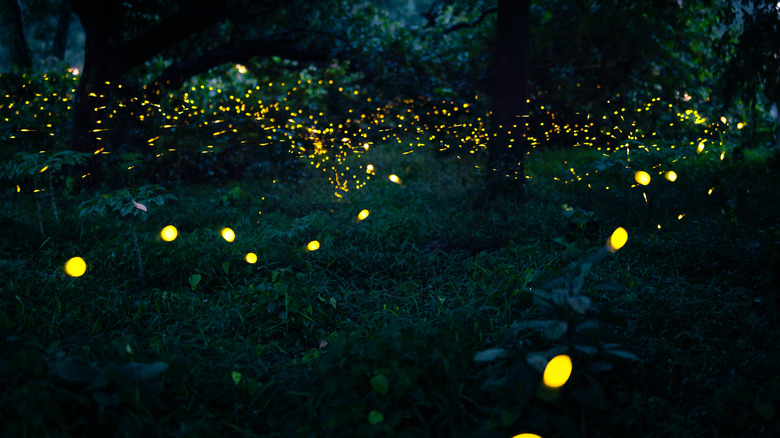
Rewilding doesn't stop when the sun goes down. One of the most overlooked ways to make your yard wildlife-friendly is by dialing back artificial light. Known as ALAN (artificial light at night), it messes with the natural rhythms of everything from insects to birds to plants. Thankfully, you don't need to live in total darkness, you just need to be intentional. Following simple principles like using warmer lights, shielding fixtures, and setting timers can make a huge difference. There are a number of outdoor lighting tips that help reduce light pollution and make the yard more inviting for both you and the wildlife.
Here's the thing: Countless species rely on night to live, hunt, migrate, and mate. Moths spiral into porch lights and die before pollinating a single flower. Birds migrating by starlight get disoriented and collide with windows. Bats, fireflies, even robins — all of them get thrown off by a constant glow. When humans light up the night, they fragment ecosystems. But when they give darkness back to nature, they create space for the full spectrum of life to thrive, not just the daylight crowd.
So how do you do it right? Follow the Four Rs: Reduce, Replace, Re-direct, and Research. Use low-wattage bulbs and only light what you need. Shield fixtures so light points down, not into the sky or your neighbor's yard. Choose warm-toned LEDs — they're less disruptive to wildlife. And set timers or motion sensors so your lights turn off when you're not using them. The goal isn't to eliminate light completely, it's to create intentional shadows where life can move, mate, and rest undisturbed.
Build small shelters and nesting structures
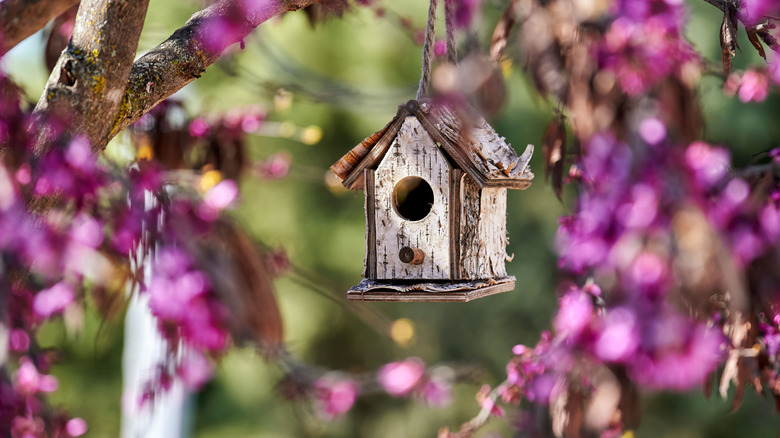
Wildlife won't just visit your yard, they'll stay if you give them a place to call home. The trouble is that many animals have nowhere to rest, hide, or raise young in this world of mowed lawns, removed trees, and pruned hedges. These simple features — whether built from branches or assembled with a drill and a few screws – help fill that gap. Some mimic what nature once provided (like brush piles and log stacks), while others act as functional stand-ins for missing tree cavities, such as cute, wooden DIY birdhouses and bee hotels.
Why is this so crucial? Because structure equals survival. Cavity-nesting birds like bluebirds and wrens depend on secure boxes to raise their chicks. Amphibians and reptiles need cool, damp places to escape predators and harsh weather. Solitary native bees — who pollinate a huge portion of your garden — nest in narrow tubes, not hives. These microhabitats offer refuge, breeding sites, and overwintering shelters. In fact, human-made nest boxes have helped the eastern bluebird reverse its dangerously declining populations. As a bonus, these havens also invite beneficial predators like garter snakes, ladybugs, and bats, which help keep pest populations in check.
Getting started is easier than you think. Stack untreated logs to create a stumpery, or build a brush pile by crisscrossing branches into a loose, dense bundle. For birds, choose rough-cut wood boxes with species-specific birdhouse hole sizes. If you need help, Cornell's NestWatch is a great resource. Want to support native pollinators? Drill holes into blocks of wood or bundle hollow stems to make a bee hotel. The key is to keep it natural, set it up, and let nature handle the rest.
Connect your yard to nearby green space
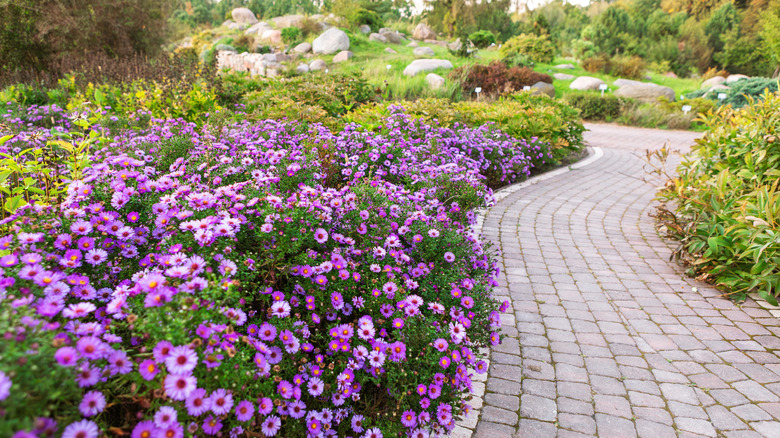
Even the wildest yard won't reach its full potential if it stands alone. Wildlife needs more than a single patch, they need a path, or corridor. By linking your yard to nearby green spaces or even just your neighbor's pollinator garden, you're helping create a broader network that allows animals to move safely across a landscape that's often broken up by roads, fences, and lawn deserts. Your yard becomes a stepping stone, part of a chain that leads from one safe haven to the next.
This matters because fragmentation is one of the biggest threats to biodiversity. When wild spaces get chopped up, animals get stuck: Cut off from food, mates, and migration routes. Corridors and stepping stones keep things moving. They allow for genetic diversity, increase species' chances of survival, and even help wildlife adapt to climate change by enabling gradual range shifts. The more connected your yard is, the more resilient your local ecosystem becomes. At that point, you're not just gardening anymore, you're restoring the flow of life.
So, how do you turn your space into a link in the chain? Start by planting dense native shrubs or trees along your yard's edge. Let groundcover and brush piles fill in near fences to create safe, low routes for frogs, snakes, and pollinators. Remove solid barriers if you can (a small gap under a fence can mean the world to a toad). Even planting a few native flowers along a walkway can guide bees from yard to yard. And if you're feeling bold? Talk to your neighbors. Every connected yard multiplies the impact.
Let nature unfold (and be patient)
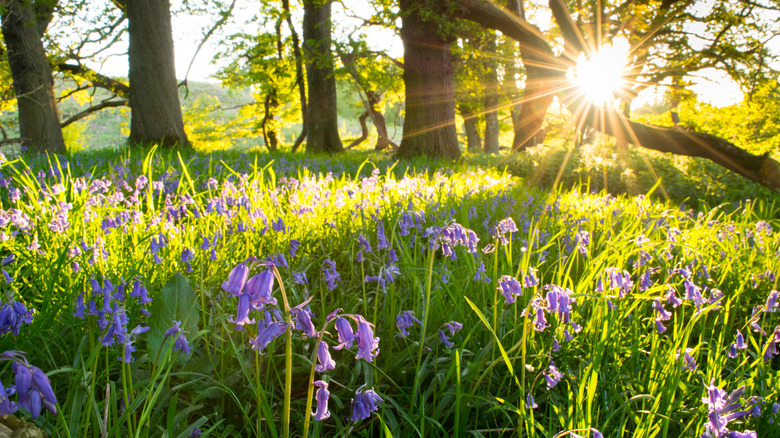
The hardest part of rewilding isn't what you do, it's what you don't do. After the planting, building, nurturing, and careful planning, the next step is to step back. Letting nature unfold means resisting the urge to tidy, prune, and control every inch of your yard. It means giving space for life to do what it does best: adapt, balance, and thrive. Ecological gardening isn't about imposing order, it's about working with the rhythms of the land, even when they look messy, slow, or uncertain.
Why does that matter? Because these wild corners are doing vital work. And by easing up on intervention, you protect the soil's delicate structure, allow predator-prey relationships to stabilize, and give native plants a chance to take hold where they grow best. What looks chaotic in year one becomes a resilient, living system by year five, and it requires far less effort than a traditional lawn ever would.
So how do you begin? For one, consider delaying your usual fall cleanup. Instead, leave seed heads, dead stalks, and leaves until spring when insects have emerged. You might also designate a wild corner with a brush pile, compost heap, or no-mow zone and let it go feral. Avoid chemicals if you can and give your ecosystem space to self-regulate. And remember always that the secret sauce of rewilding isn't speed, it's surrender. If you can learn to watch with curiosity instead of control, you'll see something beautiful take shape. Slowly. Quietly. But unmistakably alive.