

Martha Stewart's Favorite Outdoor Plants You Should Add To Your Garden
We may receive a commission on purchases made from links.
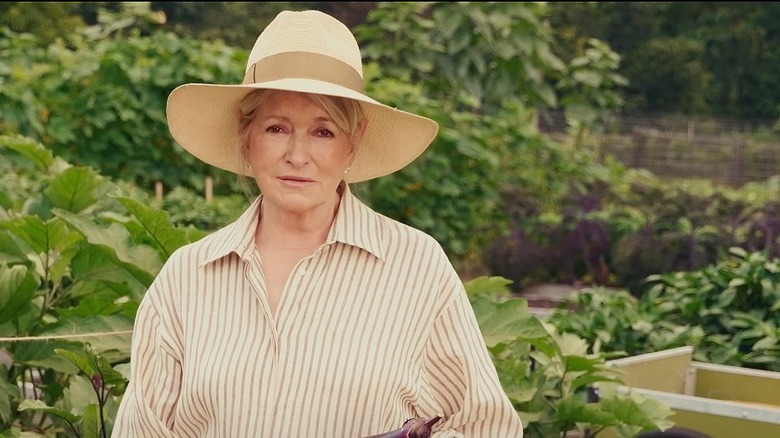
Martha Stewart is a force to be reckoned with: Her lifestyle brand and influence reach far beyond her how-to TV shows and magazine. Gardening holds a special place in her heart and it has since she started this delightful pursuit by age three or four. Simply weeding a cobblestone path under her father's watchful eye kick-started her lifelong passion for this marvelous outdoor activity. This home and hospitality personality has authored a number of books on the subject, from Gardening: Month by Month and Gardening from Seed to Martha's Flowers.
Fast forward 80 years and this gardening icon is still devotedly tending to acres of personal landscapes. Each year she and her gardening team led by Ryan McCallsiter fills the outdoor spaces on her Bedford, New York estate with a diverse selection of flowers, trees, and succulents. Whether you're just embarking on your landscaping journey or you want a few tips from this expert, we've got you covered. Here, we'll showcase a dozen of her favorite plants that you should consider adding to your outdoor garden. And when you're ready for a challenge, consider this stunning, but hard-to-grow flower Martha Stewart loves.
Roses (Rosa spp)
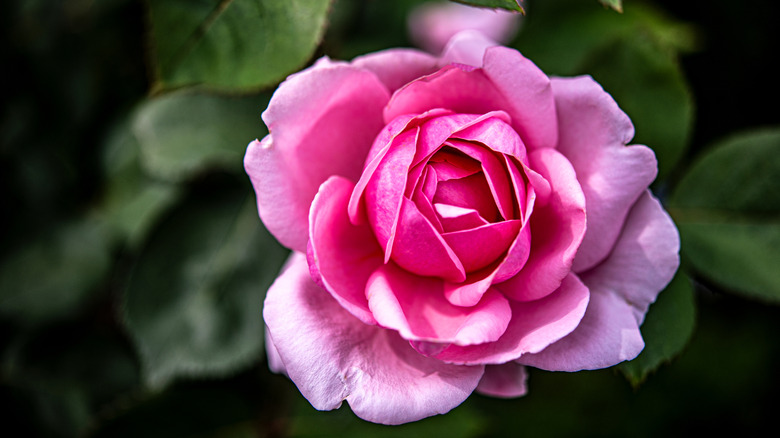
There aren't many flowers as symbolic as the rose. These popular shrubs have been cultivated for thousands of years and you can find them gracing many a garden across the globe. They're one of Stewart's favorite summertime flowers for good reason. These thorny bushes produce instantly recognizable blooms that come in a seemingly endless array of distinctive colors. There are a few common ways Stewart likes to encompass them in her own outdoor spaces, from defining a bed's perimeter to lining a meandering pathway. She also likes to plant a few meant for cutting, since after all, roses make striking bouquets.
Thankfully, roses are not difficult to grow. They do require full sun and a rich soil, along with regular feeding and watering. If you're growing older, single-bloom varietals, don't forget to follow her pruning routine: "prune after bloom." And regularly deadhead fading flowers from any rose variety. This step does more than achieve a tidier looking plant. Removing spent flowers will encourage your roses to produce more blooms and quickly, too, as the plant isn't using its energy to produce seeds. Roses can thrive in all but the coldest USDA hardiness zones, depending on the variety. Just keep in mind that where you live has everything to do with which roses you grow and how you care for them. Watering recommendations, temperature tolerances, and the type of mulch you choose or avoid for your rose garden all makes a difference in ensuring beautiful blooms.
Snapdragon (Antirrhinum majus)
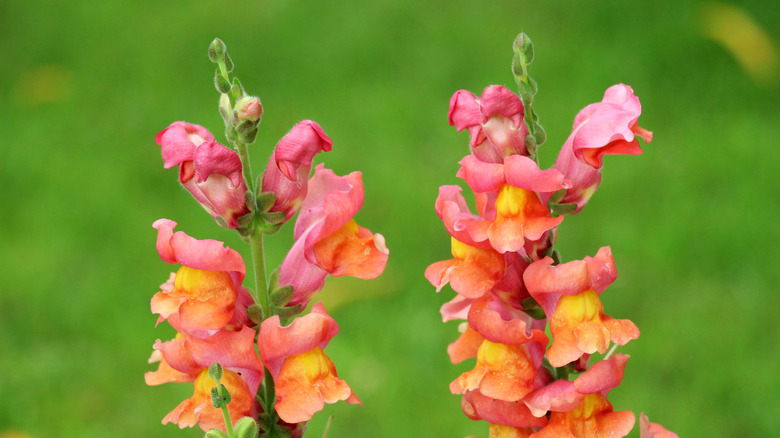
Snapdragons are another prized jewel on Martha Stewart's 153-acre Bedford estate, also called Cantitoe Corners and where "Winter House" or "Winter Home" is located. Some enthusiasts think the blooms resemble dragon snouts, hence the catchy name. These unique blooms make a splendid addition to just about any flower garden in zones 7 through 10, and they're a terrific choice for cutting, too. She suggests sowing these semi-perennials near the front of your beds: At 1 or 2 feet tall, you don't want them obscured by taller plants (some varieties grow to about 3 feet). Start them over winter indoors, then transplant outside once spring has sprung. Snapdragons have a long flowering season, so you can expect them to bloom from early summer to fall.
In general, these are pretty low- to medium maintenance plants with almost no pruning or fertilizing needs. These plants thrive in moist, rich, well-drained soil in full to partial sun, and are an ideal option for container gardens. Keep an eye on their height: You may want to stake them, so they don't fall over. As a bonus, snapdragons flowers are edible, though they may have a bit of a bitter taste, so maybe stick to using them as a garnish.
Agave (Agave americana)
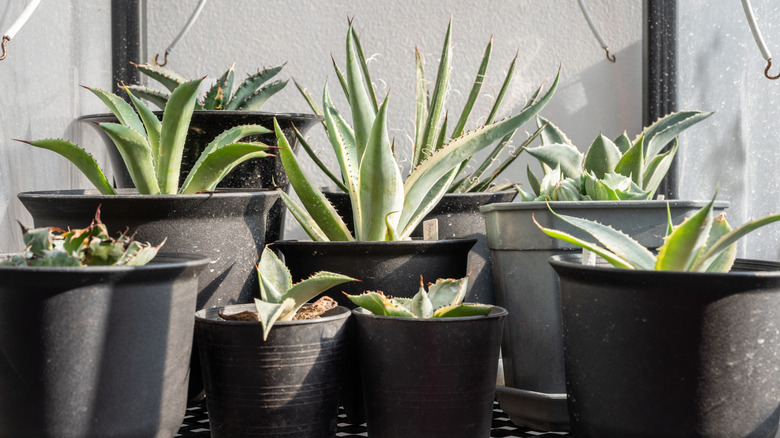
Stewart has had a long standing love affair with exotic succulents, like agave. This best-selling author says they're long-lived and don't require much care at all, making them the perfect choice for want-to-be growers that don't have a ton of time for maintenance. Because they store moisture in their stems, they can easily survive between infrequent waterings. A few species of agave that this master gardener keeps in her own collection include the elegant 'Queen Victoria,' the slow-growing black-spined, and the giant blue (or blue Weber), which is the species used in tequila production.
Some agave varieties can grow to an astounding size: As large as 20 feet across and seven feet tall while young plants fit neatly in a pot. Offshoots, called pups, start out as a basal rosette and can be removed from adults and repotted. Once it gets warm, Stewart enjoys taking agave plants out of the greenhouse and displaying them all over her Bedford farm. While they do flower, they're considered monocots, and seeing an agave bloom is witnessing a once-in-a-lifetime event (Agave americana is also called the century plant for this reason). These hardy succulents (zones 8 to 10) can live for up to 25 years under the right conditions and as natives of the Chihuahuan Desert and American southwest, they can even withstand subfreezing temperatures as low as 20 degrees Fahrenheit.
Lilies (Lilium spp)
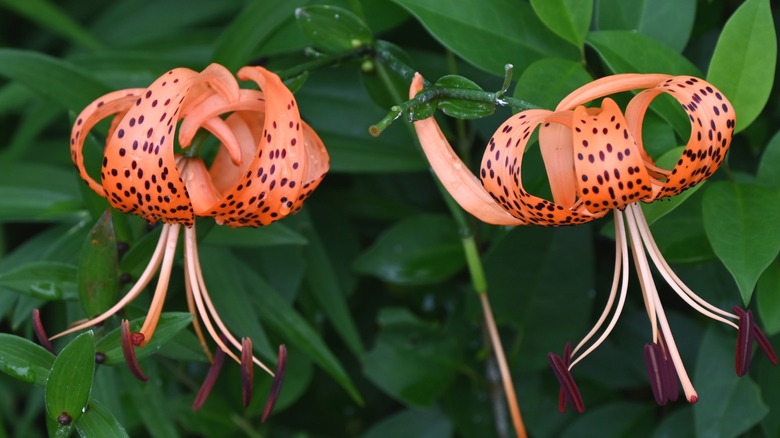
If you want a garden like Stewart's (and who doesn't really?), consider planting lilies. They're another of her summer garden residents because these sun-loving flowers add plenty of variety to your outdoor plot, since there are so many species and variants. They're also a great option for cut flower displays, although some varieties can reach astounding heights of eight feet. Fragrant lilies are available in a rainbow of colors, although our favorite master gardener tends to grow them in like groups. For example, at her home in Bedford, She has a lovely display of hundreds of showy, orange tiger lilies (Lilium lancifolium) that create a dramatic scene alongside her long pergola.
Lilies are low-maintenance bulbs that grow best in plant hardiness zones 3 through 8. These perennials are native to China and Japan and return year after year with minimal upkeep once established. The best soil mix for these beauties is rich in organic matter, loose, and well-draining. They typically produce flowers as early as June, depending on the variety, and come in dazzling hues from white and yellow to lavender, while some even feature spots or stripes.
Phlox (Phlox paniculata)
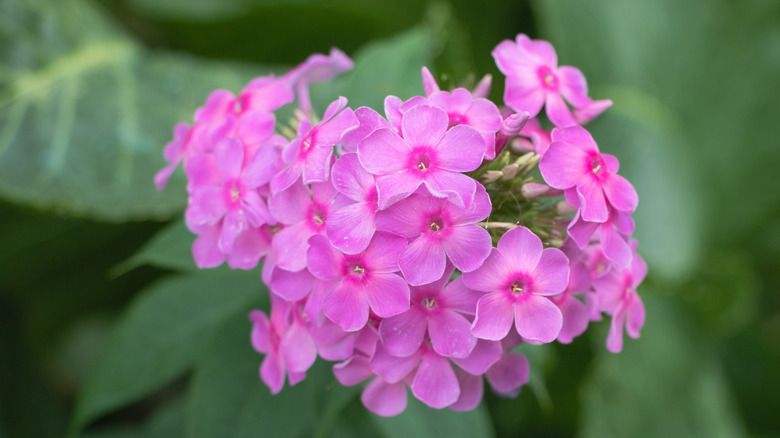
If you're looking to add a bit of flower power to your yard, go ahead and sow some phlox. This five-petal perennial touts bright green foliage and small blooms that range in colors from pink and purple to white. Because phlox grows in clumps, they fill out with ease as they establish, year after year. They are considered structural plants, meaning they add shape and form to your garden almost like architecture, while the taller varieties can provide an eye-catching vertical element that works as a wonderful focal point. Stewart uses them for color statements around the gardens.
Starting phlox from seed is relatively easy but they can also be propagated through division and root or stem cuttings. You'll have the best luck planting your phlox in your garden if you live in the eastern U.S., particularly zones 4 to 8. You'll want to place them in an area of your yard where they receive full sun to partial shade. Keep your eyes peeled for full blooms between July and September when these fragrant flowers attract charming critters like hummingbirds and butterflies.
Weeping dawn redwood (Metasequoia glyptostroboides)
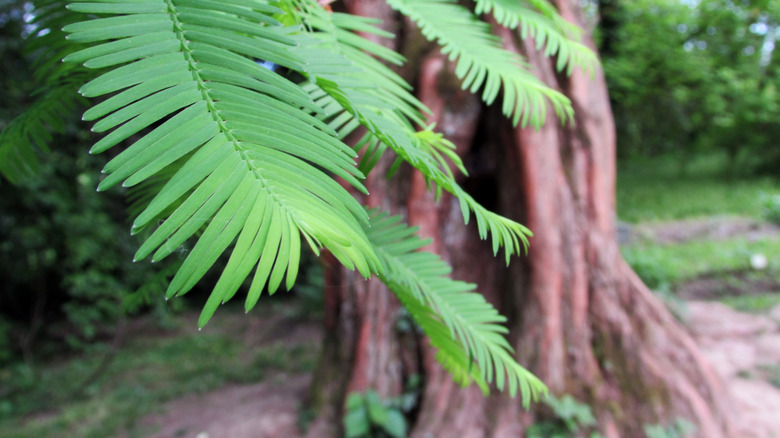
Stewart enjoys filling her New York-based Winter House's terraces and ledges with potted plants, like the weeping dawn redwood. Also called Miss Grace, this towering tree from central China really makes a statement and is happy to start out in an urn. Select a container that fits the plant and consider adding a layer of weed cloth to your pot of choice to make it easier to remove your redwood when it's time to plant it in your yard. For soil, Stewart recommends going with good quality potting mix to promote root growth and give them anchorage. She also recommends supplying your Miss Grace with a nourishing fertilizer, like Miracle-Gro® Shake 'N Feed All Purpose Plant Food.
Although this tree can reach heights of 100 feet, you can remove it from its container home and put it in the ground well before they're towering over your patio. Wait until its bright green needles turn a splendid bronze color in fall to transplant them and take advantage of this cool hack: repurpose an empty dog food bag to make the planting process faster and easier. This redwood variety grows well in zones 4 to 8 and prefers full sun and moist, well-drained soil with plenty of humus.
Cosmos (Cosmos bipinnatus)
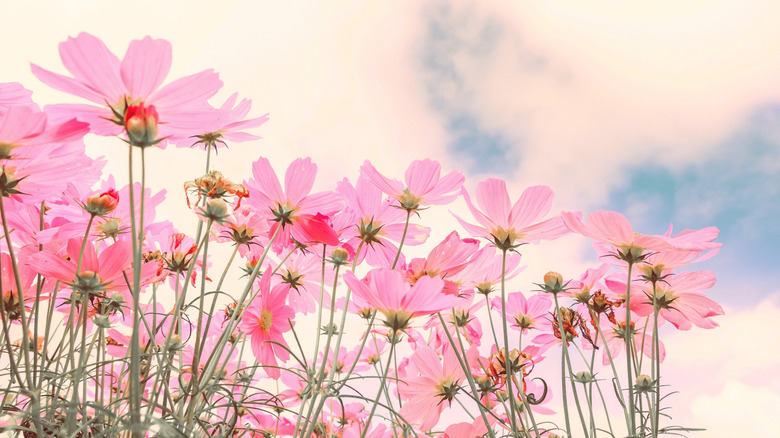
Cosmos are an enchanting member of the same family (Asteraceae) as daisies and a common sight in Stewart's personal gardens. Also known as the Mexican aster, delicate foliage and towering heights (up to six feet) makes it a key addition to your list of summer must-grows. Whether you cultivate traditional cosmos in stunning shades of purple and pink, or you opt for the sulfur variety hued in golden yellow and orange, they can be directly sown from seed. Just skip the old-school cornmeal seed starting hack, as it doesn't actually protect your flowers as much as you may have thought. You'll need to replant them yearly to make sure they're where you want them, but they will also be busy self-seeding randomly around the garden.
We love that cosmos is an easy-to-grow flower that tolerates most soil mixes, thrives in almost all hardiness zones, and bonus: They don't require pruning. It is important to note that this plant needs lots of direct sunlight and seeds shouldn't be sown until the thermometer climbs past 65 degrees Fahrenheit. Cosmos are also pollinator friendly, So, if you love seeing bees and butterflies flitting through your beds, they are a terrific choice for the back borders. They're hard working too, providing loads of sophisticated blooms right up to the first frost.
Mugwort (Artemisia vulgaris)
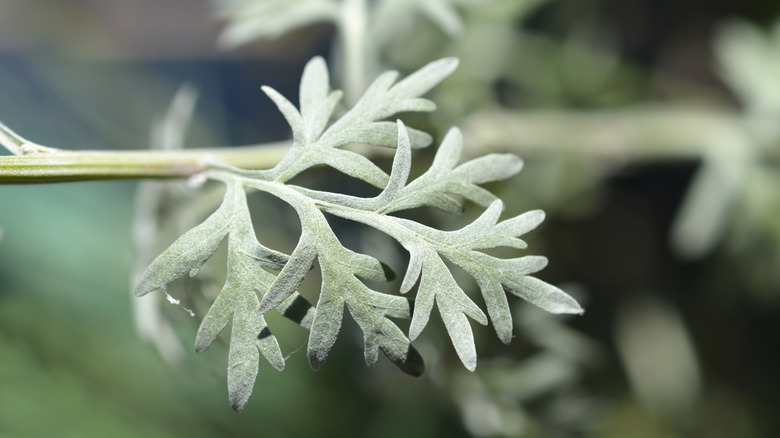
Mugwort is a terrific outdoor plant that grows well in containers. In fact, Stewart recently added a few on her Winter House patios, combining it with other plants of varied heights in the same pot. Another member of the same family as daisies, they have a distinctive silvery, grayish appearance thanks to the white hairs on their aromatic leaves. But mugwort is more than just a pretty addition to your foliage garden. It's also used in traditional medicine in China, India, and Europe. This healing herb has a long list of names, from wormwood to sailor's tobacco, and is said to help with digestive issues. Apparently you can eat the leaves raw or cook them along with young shoots and flowers. It's also closely related to the key botanical in the production of absinthe (Artemisia absinthium). Do your research before adding it to your morning smoothie though, especially if you're pregnant, as it is slightly toxic.
Keep the soil moist when germinating seeds, then place your potted mugwort on a patio or balcony in full sun. This perennial — hardy in zones 3 to 8 — is pretty forgiving of the type of dirt you use, as long as it's well-draining to prevent root rot. So, even if you're not the expert Stewart is, you can still grow your own mugwort in just about any potting soil you have on hand.
Zinnias (Zinnia elegans)
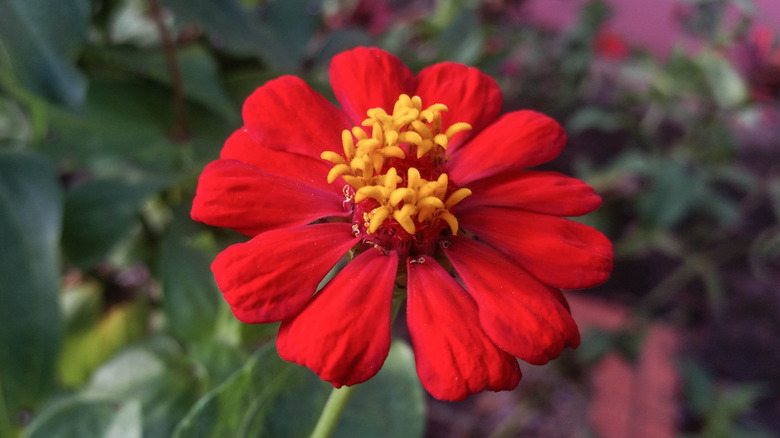
Zinnias are Stewart's old-school summer favorite, and with varieties like 'Pop Art' and 'Candy Cane,' you know you're in for a colorful treat. They come in tons of brilliantly intense hues and reach heights of one to five feet tall. Because they're another super-easy summer flower to grow, zinnias are an ideal choice for novice gardeners, whether grown in orderly rows or scattered throughout a garden, as Stewart and her team like to do on the Bedford farm. There's no need to start them over winter, either, as you can grow them from seed directly in your pollinator garden. In fact, these fast-growing, petal-packed flowers are one of the best butterfly magnets you can plant.
These Mexico natives need full sun to thrive, but zinnias are typically considered to be great no-fuss plants for beginning gardeners and are drought tolerant. That's great news if you like to travel during the summer and still want to come home to a sea of lovely blooms (deadhead regularly for even more flowers). Zinnias grow especially well in zones 2 to 11, and you can expect to see buds in early June. With luck these annuals will continue displaying until the first frost settles on your beds.
Pansies (Viola x wittrockiana)
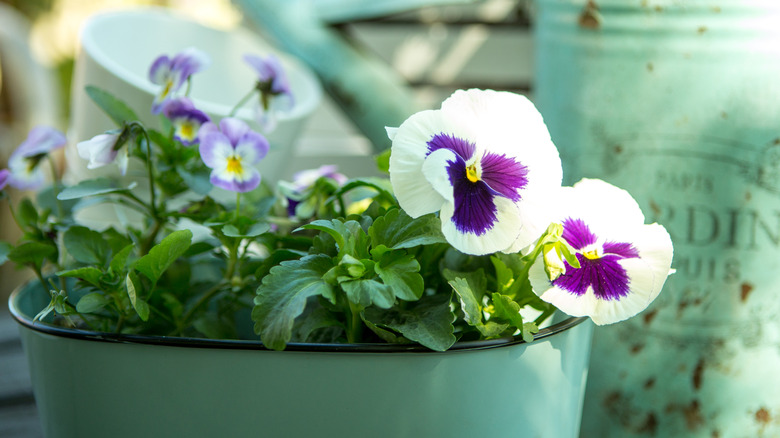
We just couldn't leave pansies, with their adorable smiling faces, out of our collection of Martha Stewart's favorite outdoor plants. Because they can tolerate temperatures as low as 40-degrees Fahrenheit, spring and winter pansies are a particularly interesting choice for your garden. They add a nice pop of color to your yard throughout the colder seasons when most flowers are dormant. These prized blooms are frost tolerant and will start to wither away in hot summer temperatures. However, you don't want to put them out too early (or too late, either), as they probably won't survive a hard frost.
Pansies are technically short-lived perennials that do best in zones 6 to 10. They enjoy full sun to part shade and can start putting out blooms as early as April. Pansies produce a vast plethora of pretty colored flowers including blue, red, yellow, and white. Because they stand just six to nine inches tall, they make a nice addition to your handmade deck railing planter boxes and raised beds, as long as you fill them with well-draining soil kept moist.
Bird's nest fern (Asplenium nidus)
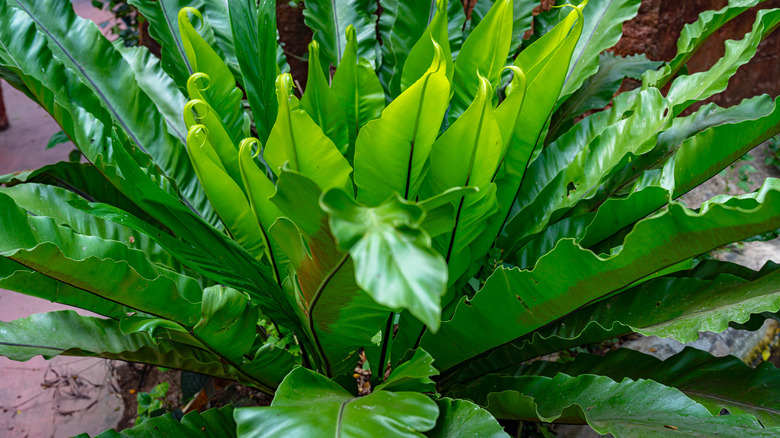
Martha Stewart's Winter House is also home to bird's nest ferns. This tropical-originating plant is an evergreen perennial native to rainforests, making it drought and frost intolerant in a major way (though they can endure the occasional dip into the 30 degree F range). Interestingly, bird's nest ferns are an epiphyte, which means they grow on tree trunks and limbs. Don't worry, they're not a parasite — they're just looking for a supportive place to hang out.
Bird's nest ferns tout some pretty dramatic foliage with long, bright green fronds that look a lot like banana leaves to the untrained eye. These plants, with their spoon-shaped leaves, sure do make a pretty picture when planted in large containers. They can frame your carport in vintage urns the way Stewart does, or you can use these plants to give your backyard a resort-like feel year-round, but only if you live in zones 11 and 12. They are slow-growing, but can get quite large — up to five or six feet — so you want to ensure your pot is large enough to handle their heft, and drains well. Remember to water them weekly, as you don't want your bird's nest ferns to dry out.
Korean fir (Abies koreana)
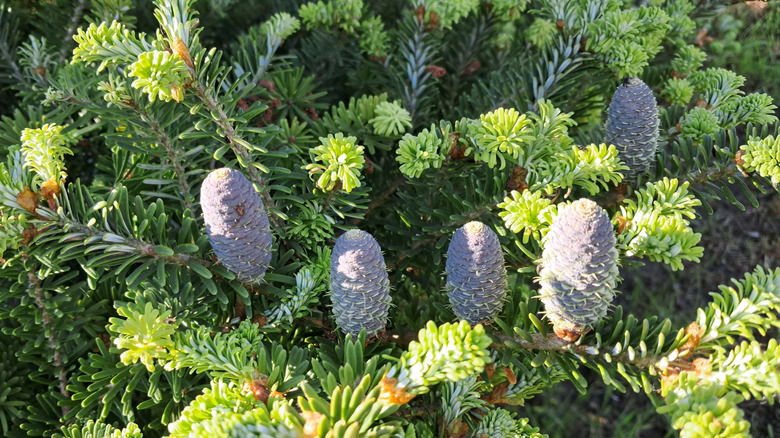
Stewart's expansive terraces are also home to evergreens called Korean fir. A regular guest in her pinetum (behind the equipment barn of course), this medium-sized coniferous tree from South Korea looks like a miniature frosted Christmas tree with striking purple cones. It gets this look from its soft, two-toned needles that show green on one side and silver below. Evergreens are a popular shrub for adding privacy to your backyard, and like many trees that this gardening enthusiast displays on her estate, saplings can also be potted. Go the extra mile and underplant your fir with drought tolerant silver ponysfoot (Dichondra argentea), just like she does.
Korean fir often reach heights of 50 feet when mature, so you're going to want to put it in the ground eventually. Feel free to pot these trees in the spring, then transfer them to the ground in fall. They flourish in full sun to part shade and are perfect for growers who live in zones 5 to 7. This ornamental tree prefers cooler temperatures and rich, moist (but not wet) soil that's slightly acidic and well-draining. You want to avoid planting in heavy clay, as Korean fir doesn't thrive in dense soil, and they're not fans of heavily polluted urban areas.