

11 Tips To Make Your Garden And Outdoor Space Look Alive In Cold Weather
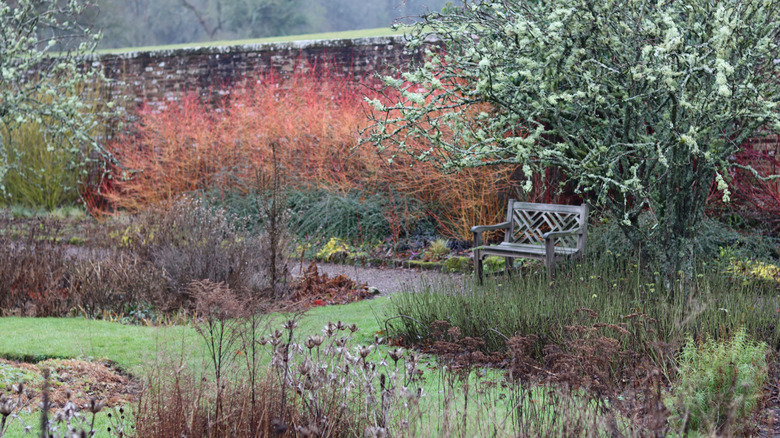
Since "Game of Thrones" first aired in 2011, the Stark family phrase "Winter is Coming" has become an everyday colloquialism to signify tough or difficult things approaching. And the fact of the matter is that winter's literally on its way to make your garden and outdoor spaces look drab and uninviting. Bare branches, brown grass, and all your blossoming summer perennials dying back doesn't make for an inviting yard. But it doesn't have to be this way. In fact, you can make your outdoor spaces absolutely come alive in cold weather.
Everyone who keeps a garden understands the importance of protecting plants from snow damage. But you can go a step beyond this with species that will both thrive and look beautiful in the winter. Yes, you read that correctly. Regardless of what climate zone you live in, there are trees, grasses, shrubs, berries, and flowers that can bring texture, color, and dimension to your garden throughout the winter.
And, of course, we can't forget about the all-important hardscapes like patios, porches, and pathways. These can be spruced up with seasonal decorations, the right lighting, and warm areas that actually make it comfortable to be outside during the cold weather. So, if you're looking to revive your yard this winter, here are our 12 tips on what to do.
Ornamental grasses liven up drab spaces
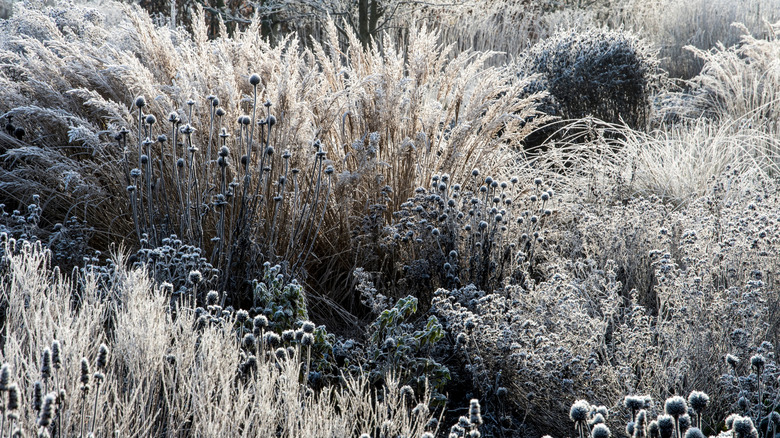
Ornamental grasses, such as switchgrass (Panicum virgatum) or Indiangrass (Sorghastrum nutans), do not need to be cut back in the winter because they provide environmental and visual benefits to your yard. While the rest of the yard may be covered in snow or dying back into the ground, the grass stands tall, adding some lively, feathery drama to the landscape. Ornamental grasses can also support birds during winter by providing them with seeds and shelter. Seeing them fly in and out will bring some extra action to your otherwise quiet yard.
Add color with bright bark
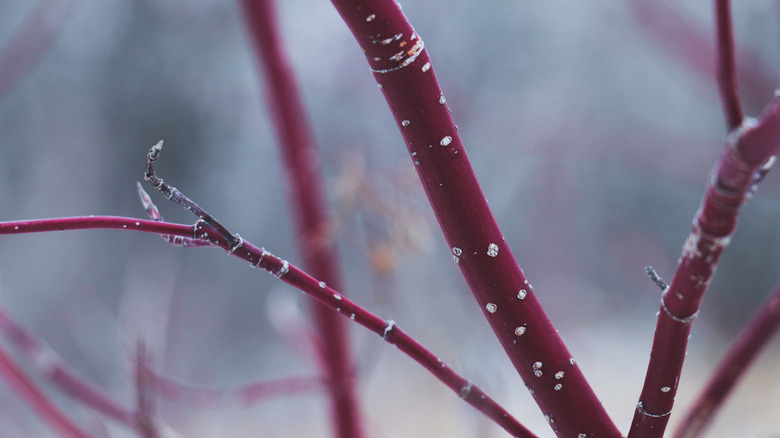
Bark might not be on your list of features to consider when purchasing plants, but when everything else is barren and colorless come winter you'll wish it had been. One of the most striking sights in winter is that of the bright red bark of a redosier dogwood (Cornus sericea) in the midst of a snowstorm. Coral bark maple (Acer palmatum 'Sangokaku') is another red-barked, medium-sized tree that will showcase color in the winter. And Himalayan birch (Betula jacquemontii) offers bright white bark .
Evergreen shrubs never lose their luster
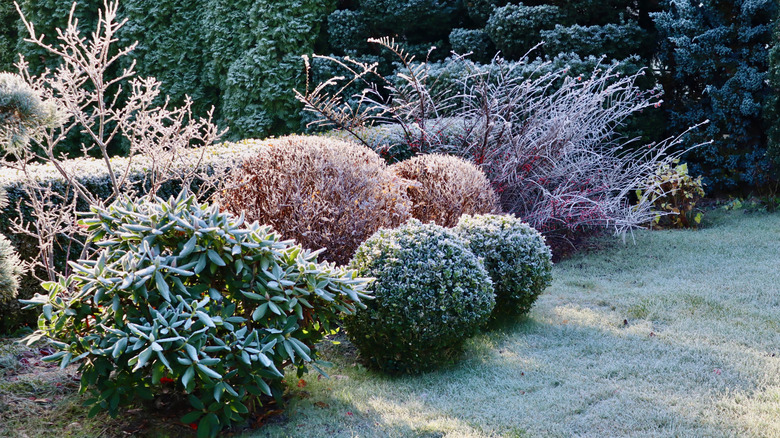
As their name suggests, evergreens are the obvious antidote to a brown and dead-looking garden in winter. Common boxwood (Buxus sempervirens) is a staple evergreen that will provide you with deep foliage throughout the cold weather, especially if given some protection from the sun. Besides growing well in borders, it can also look great in pots — just place them in a sheltered spot. Arborvitae (Thuja occidentalis) is another popular option, and can be grown as a hedge to add some backyard privacy. Other evergreens include juniper bushes, spruces, and most holly species.
Good lighting can add instant life to a barren-feeling yard
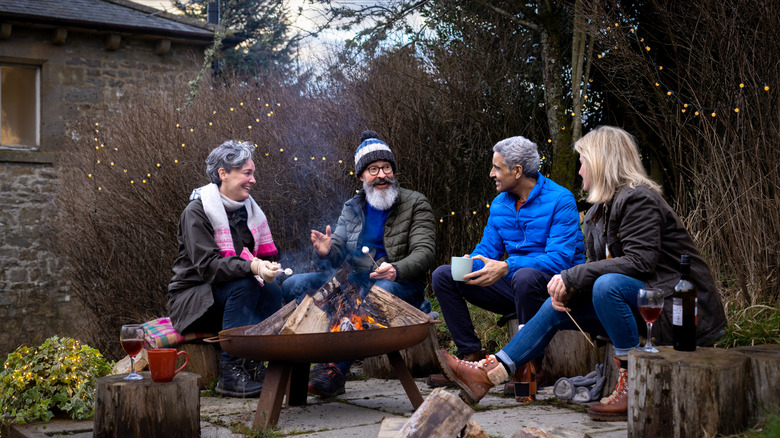
The right lighting can absolutely liven up your outdoor spaces, making them far more cozy and inviting during the coldest months. String lights over the patio, stake lights around the fire pit, table lamps in entertaining spaces, and some well-placed uplights highlighting evergreens or other points of interest can all serve to bring glow during these colder months. Aim for warmer temperature bulbs that have soft, creamy, and yellowish tones. Avoid colder temperature lights that can make things look sharp, stark, and shadowy.
Red berries make a striking contrast in the snow
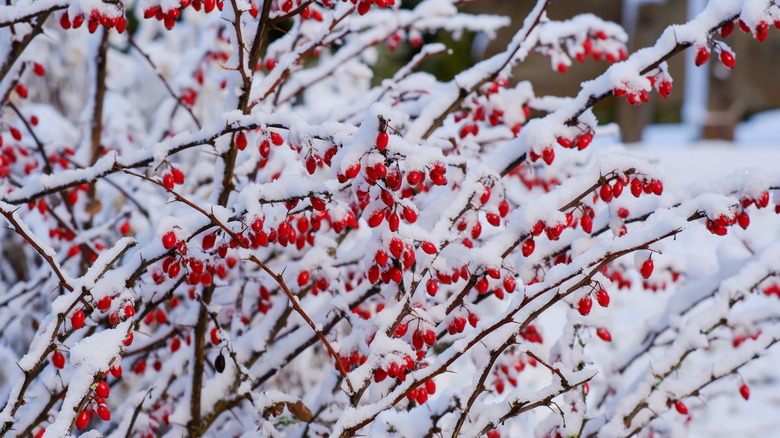
If you have the foresight to plant some hardy, berry-producing shrubs, you'll be in for a treat. Tall shrubs like American cranberry bush (Viburnum opulus var. americanum) and winterberry (Ilex verticillata), as well as trees like hawthorn (Crataegus spp.) and American holly (Ilex opaca)offer an abundance of red berries in autumn and through the winter. The berries will stand out against a bare landscape, especially when it snows, and provide a very festive look. Holly is especially excellent for this because, as an evergreen, its foliage will stay intact all season as well, providing even more structure and color.
Swap summer annuals for winter ones
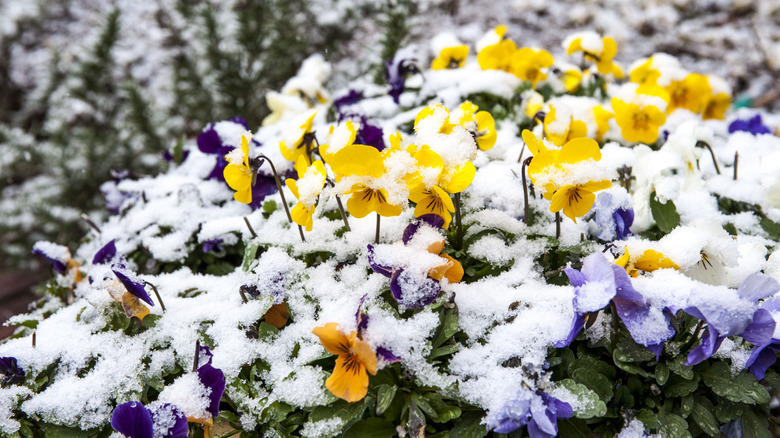
Planting annuals in the winter really only works if you live in an area that doesn't see intense cold temperatures. If you're in USDA Zones 6 to 8, consider planting violas and pansies. These thrive in temperatures between 65 and 45 degrees Fahrenheit, and will tolerate down to 25 degrees (but no lower). In Zones 9b to 11, you can also plant calendula and snapdragons. And ornamental cabbage is a colorful cool season pick to try in Zones 7 to 11.
Don't forget the seasonal decor
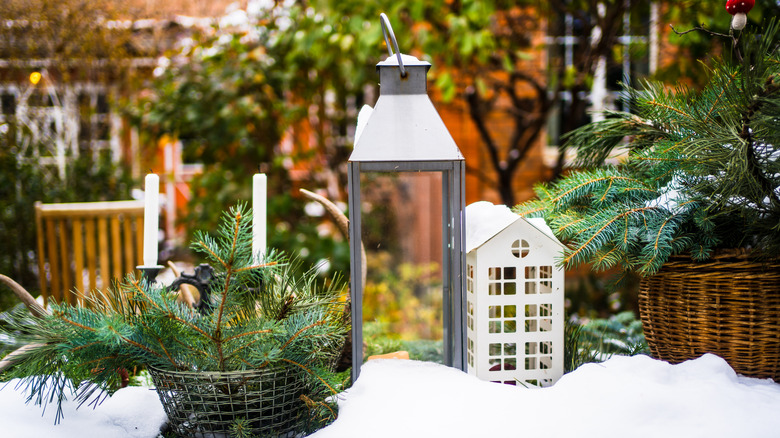
While the right plants can do worlds of good for your garden during the winter, don't forget about your other outdoor spaces. The porch, patio, and even your walkways can all benefit from a spruce-up of weatherproof statues, bird feeders, old lanterns, evergreen wreaths, and so on. You can even use firewood for decorative purposes by leaving some in a stack or in a basket on your front porch. And don't forget the seasonal outdoor pillows to make spending time outside actually comfortable. As the holiday's roll around, you can, of course, go extra seasonal with Christmas-themed statues and ornaments.
Bring warmth with a fire pit or outdoor heater

A good fire pit will make your backyard the talk of the neighborhood, especially when it starts to get cold outside. There is something special about sitting around a fire, getting warm, and sharing hot drinks and stories with friends. Fire pits can also anchor your outdoor space, and are great for entertaining large groups. You could also invest in some propane-powered patio heaters if you find the need to entertain outside on a cold day. Having heat sources like this can really liven up your outdoor areas in winter, as you're likely to use them more, and when you do, they'll cast a warm glow.
Specimen trees add dimension
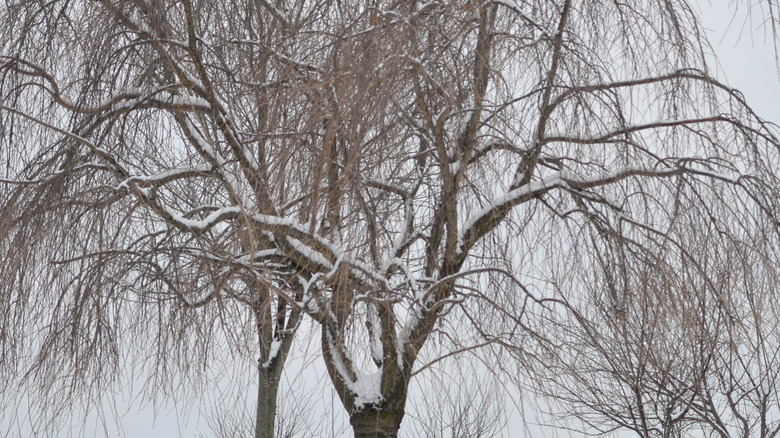
"Specimen" is the term lent to trees that stand alone as solitary pieces of landscaping. This is usually because they have some kind of unique, sculptural shape that makes them stand out among the other plants. Trees such as Japanese maple (Acer palmatum) and weeping cherry (Prunus x subhirtella 'Pendula') offer unique, visually compelling shapes necessary for a specimen tree. And while these look a treat when they are in leaf, a lack of leaves during the winter can actually highlight the striking structure of these trees, giving your yard a unique focal point and added dimension.
Perennial ryegrass for a green winter lawn in warmer zones
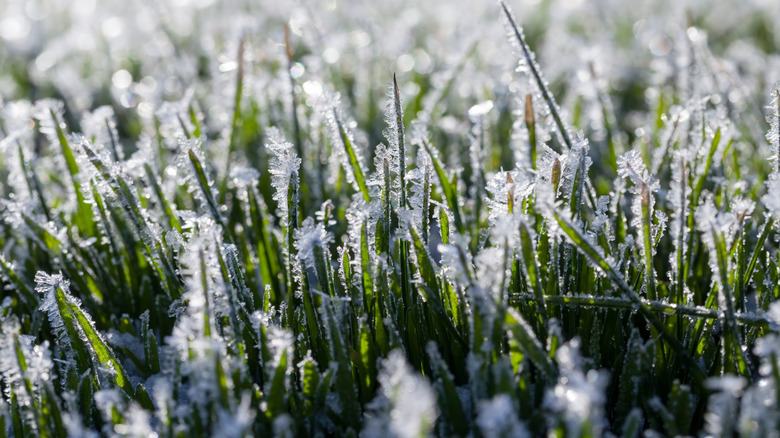
Bermuda grass is a popular choice for turf grass in warmer climates where winters are mild and see very few frosts. That said, it does go brown during dormancy, leaving you with a dead-looking yard. In this case, overseeding your lawn with perennial ryegrass could be the key to a green lawn over winter. This is a hardy grass that will grow well as a green cover crop over a Bermuda grass lawn. Perennial ryegrass can also aid in turf development if you find your lawn has gotten patchy.