

Always Save Your Used Coffee Grounds: Here Are The Plants That Love Them
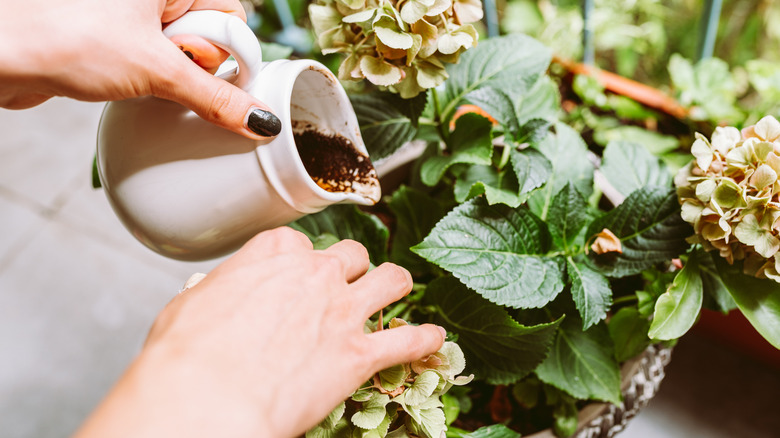
If eating breakfast in the garden is part of your daily routine, you may have a useful soil additive on hand, sitting in your coffee filter. In the gardening world, there are a lot of unexpected ways to use coffee grounds. They're actually a valuable composting tool, and a number of plants love the added benefits of coffee grounds added directly to soil. Coffee grounds aren't versatile enough to replace high-quality potting soil or fertilizer entirely, but they do contain trace amounts of micronutrients that some plants just can't get enough off. These micronutrients include nitrogen, phosphorous, and potassium (in an NPK ratio of about 2.1:0.3:0.3), making coffee a "green" component. Coffee grounds are also beloved on their own for their benefit to soil quality. The grounds apply a coarse texture to soil, which can help aerate the soil, regulating moisture. Some gardeners claim coffee grounds can deter pests, though results seem to vary on that front.
While it's true coffee grounds are mildly acidic (pH of 5.5 to 6.8 or almost neutral), much of it is removed during the process of brewing. Once your grounds are ready to be discarded, you're left with a nutrient-dense, aromatic material that can enrich garden beds and support plant health. Of course, not all plants love coffee grounds, including rosemary, lavender, spinach, and most succulents. Don't have coffee grounds at home? Ask your local barista. Coffee shops often share spent grounds for free.
Roses
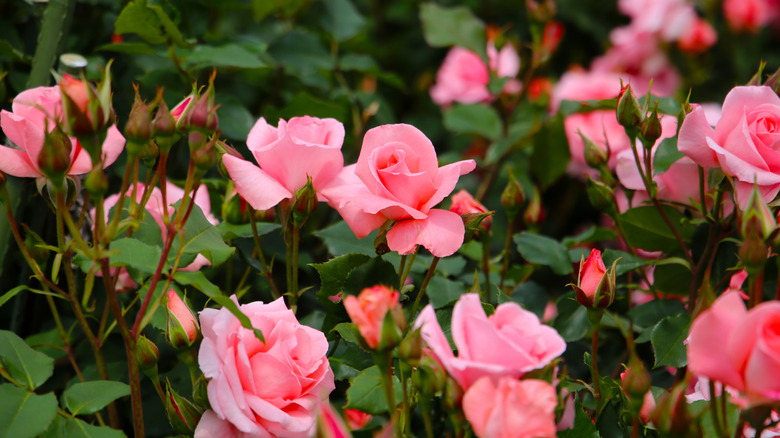
Roses tend to be heavy feeders, putting tons of work into flower production to ensure that they bloom with deep, vibrant colors. The small amounts of nitrogen present in the grounds helps to boost lush, green foliage and strong stem production. This composting method is also beneficial to soil structure in rose gardens, since roses prefer to thrive in moist, well-drained soil. As coffee grounds break down, they encourage beneficial microbes and feed earthworms, all of which supports overall soil health, leading to stronger blooms. Coffee's natural antimicrobial and anti-fungal properties may also help prevent root rot and fusarium wilt.
Azaleas
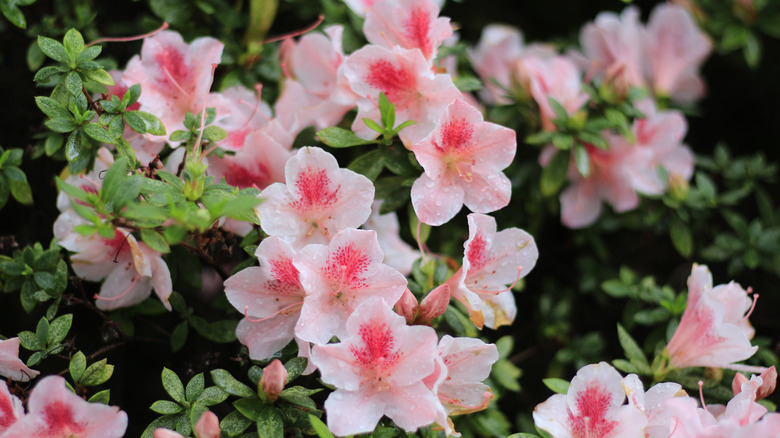
Azaleas are another gorgeous flower that thrive in rich, well-drained soil, making them a no-brainer for the coffee ground method. Certain varietals of this low-maintenance shrub can even turn your yard into a hummingbird haven. They also have shallow root systems, so it's important to maintain a consistent level of moisture over the course of the plant's life. Adding organic matter can help soil to retain water without becoming soggy and encouraging rot. You don't want the coffee to cake up on the surface, so it's best to incorporate coffee grounds along with a number of carbon-dense materials such as fallen leaves and pine straw.
Hydrangeas
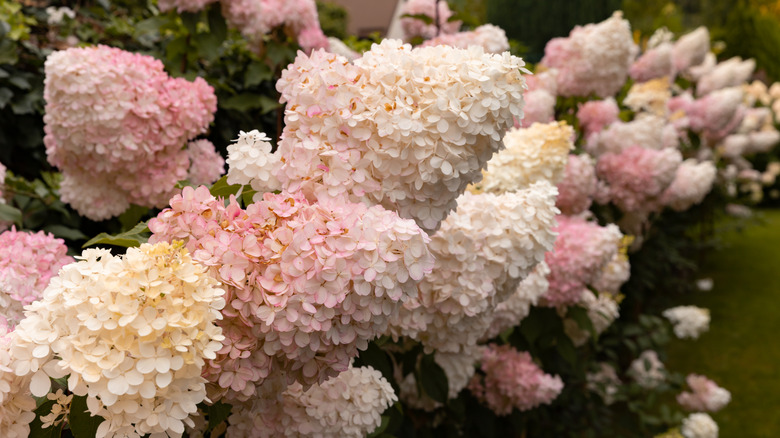
Hydrangeas are another plant that benefits from nutrient-rich soil. When applied in a light layer, as part of compost, or as a weak "tea," coffee grounds support leafy growth and strong stems. The improved soil structure works wonders for these fast-growing flowers, since they depend on consistent moisture during warm summer weather. The plants don't bloom well in nitrogen-heavy soil, so you might forego coffee grounds in that situation. However, some mopheads and oakleafs will change color based on the soil's acidity, and it can be a good reason to mix coffee grounds in the soil around your hydrangeas, though the change can take a few months.
Rhododendrons
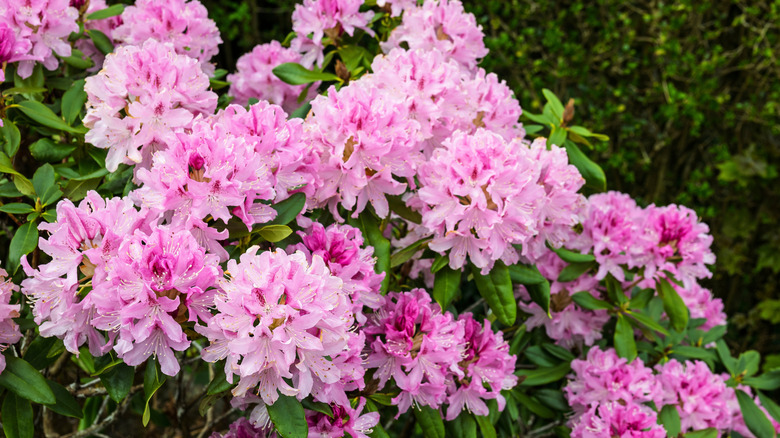
Rhododendrons prefers slightly acidic soil, and demands consistent moisture in order to bloom to their full potential. Spent coffee grounds still retain a small amount of acid, making them ideal as an organic compost additive. The coarse grounds may also act as a slug and snail deterrent if spread on the surface. If you're applying grounds directly, sprinkle lightly over the whole root zone three or four times per year, then layer mulch as needed to help retain the soil's moisture and provide additional nutrients.
Blueberries
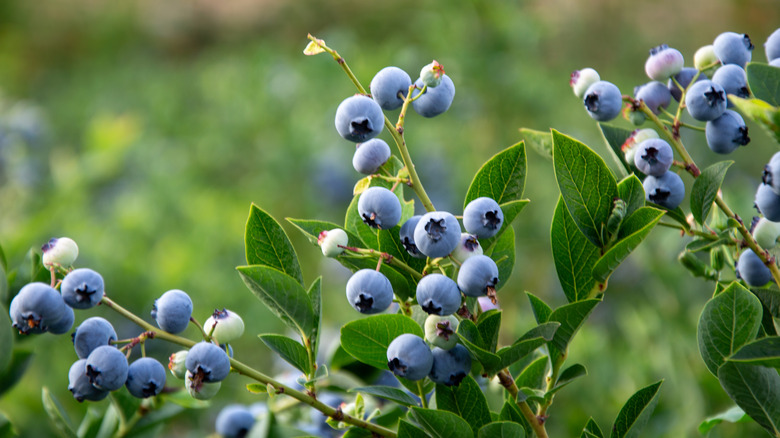
Flowers aren't the only plants that thrive with the addition of acid-rich compost. A number of delicious fruit plants, such as blueberries, appreciate coffee grounds thrown into the mix as a natural supplement. The nitrogen provided by coffee grounds supports steady vegetative growth during the growing season, especially when mixed thoroughly into the soil. When combined with other acid-dense materials, coffee grounds can contribute to the ideal conditions for blueberries to thrive and bear delicious fruit, though it should be noted, many experienced blueberry farmers say coffee grounds on their own don't add enough acid to help.
Strawberries
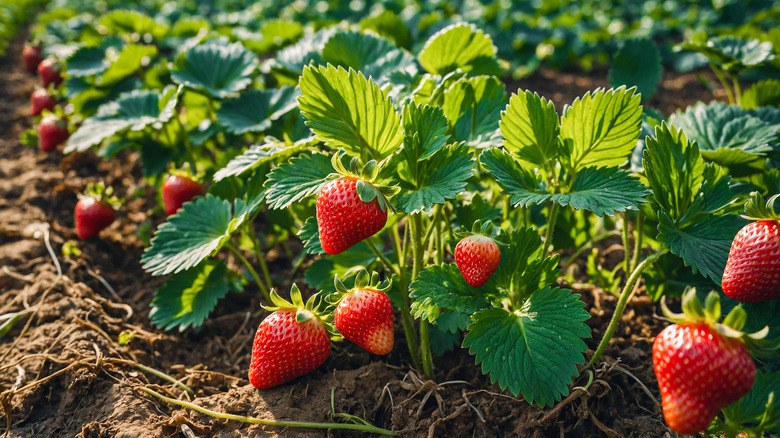
If you're big on planting fresh fruits and vegetables, you'll be keen to know that strawberries can also be improved with the addition of coffee grounds to the compost. Much like some of the flowers referenced above, strawberries prefer to grow in a moisture-rich environment without being waterlogged. In the dead of summer, this balance can be difficult to achieve without proper soil aeration. As coffee grounds break down in the soil, they retain moisture. As this nutritious moisture is released, it feeds the plant. In container gardens, you can add grounds to potting soil in about a 1:4 ratio.
Carrots
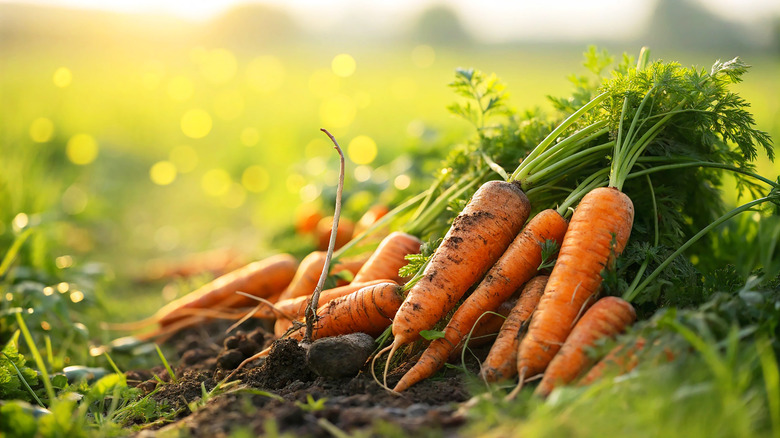
Root vegetables such as carrots can benefit from the coffee ground method, as they prefer loose, well-draining soil over the course of the season. When mixed thoroughly into garden or container beds, coffee grounds can help to prevent soil from becoming dense and compacted. As a result, you're less likely to pull up stunted or misshapen carrots. You can also use the 1:4 grounds to potting compost ratio to help separate tiny carrot seeds. The mild nutrient boon from coffee grounds is an added bonus, since carrots love phosphorous and potassium. Supplement mindfully, as carrots prefer to intake only small amounts of nitrogen.
Cabbage
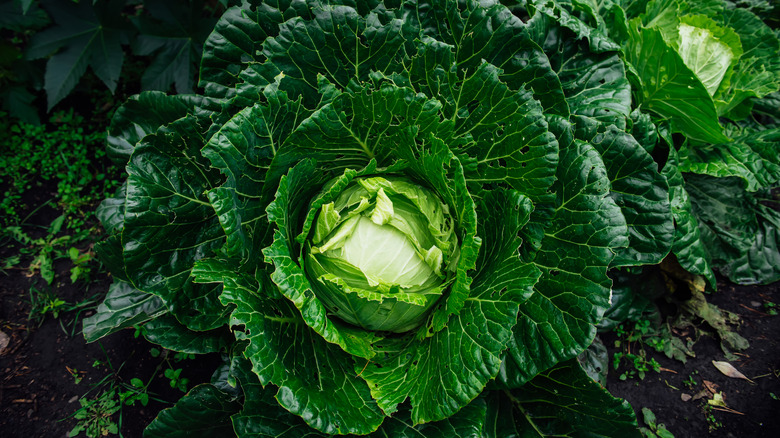
Cabbage plants are heavy feeders which benefit from nutrient-dense soil and superior moisture retention. The improved soil structure that comes with using a coffee-based compost can reduce stress on a cabbage patch, particularly during dry periods. The organic materials also make excellent earthworm food, and there's some science suggesting coffee helps improve worm compost, while worms also may absorb and remove potentially harmful caffeine. Finally, a very diluted coffee-and-water mix may help with cabbage folding, ensuring tighter heads.
Holly

If you're excited to deck the halls each holiday season, you'll want boughs of holly growing in your garden. Holly is yet another plant which requires nitrogen-rich organic matter, well-drained soil, and a slightly acidic pH balance in order to truly thrive. Coffee grounds, when composted along with other materials, tick all of these boxes. Some gardeners claim the coffee method makes their foliage more vibrant and green. Holly is also great for keeping deer out of your garden, and while there's no supporting science, some gardeners feel coffee grounds sprinkled around also deter deer, making this an ideal pairing.
Spider Plant
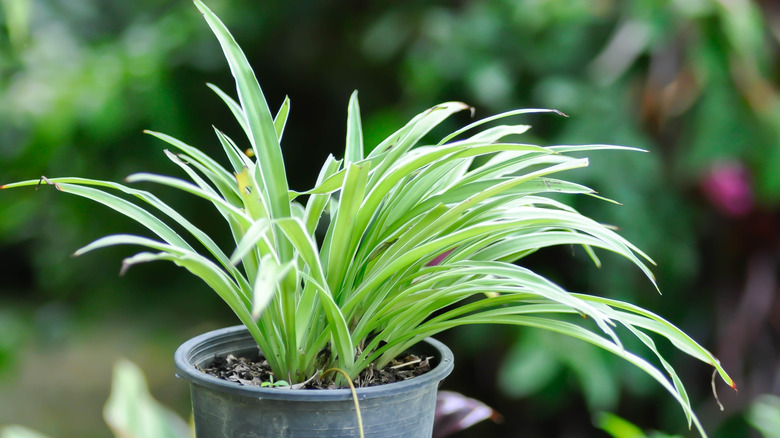
Generally thought of as an indoor plant, spider plants (chlorophytum comosum) can be grown outdoors on the coast in the American southeast as a perennial (USDA zones 9-11), and as an annual or potted patio/balcony plant in cooler regions. In this instance, use grounds sparingly, as spider plants can be highly sensitive to sodium. Coffee grounds contain a small, mostly negligible amount of natural sodium, which should disperse well enough in a compost to not agitate the plant. Even still, the grounds offer enough quality nutrients, particularly nitrogen, and soil aeration to help spider plants flourish.
Christmas cactus
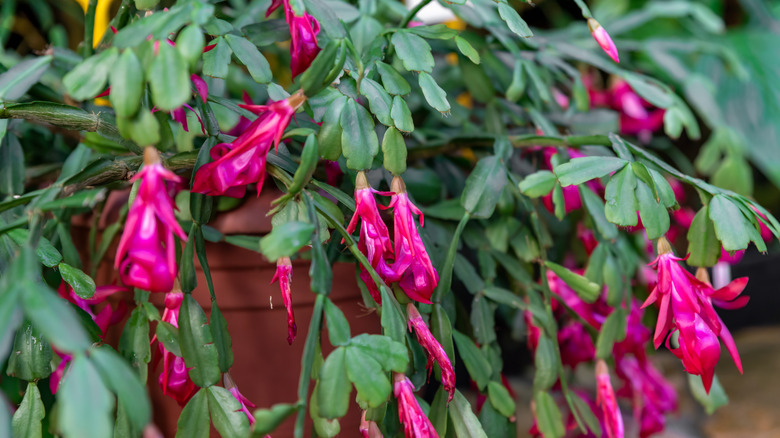
Not all succulents like coffee grounds, but the Christmas cactus thrives in loose, well-drained, acidic soil, making it a good candidate for the coffee ground compost mix. It grows outdoors as a perennial in zones 9-11, or overwintered indoors in pots in cooler climes. While Christmas cactus doesn't require heavy feeding, it does take in nutrients such as nitrogen, especially during active growing periods. Some people credit coffee grounds with better blooms, but there's not much in the way of scientific support. Be careful: Too much coffee can lead to yellow or limp leaves, and some gardeners recommend absolutely avoiding giving coffee to Christmas cactus.
Gardenias
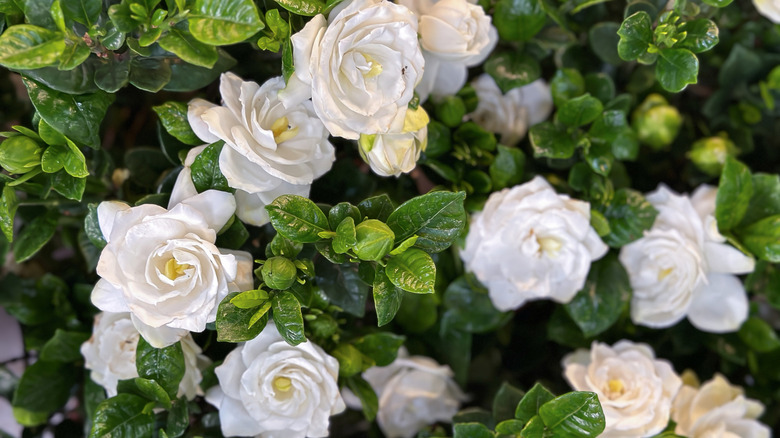
Gardenias are flowers that are known for their fragrant white blooms and preference for rich, slightly acidic soil. As discussed, used coffee grounds can provide support for those conditions when properly employed with some people reporting much more robust plants. Interestingly, gardenias belong to the same family — Rubiacae — as coffee. Used grounds supply some much needed structure to gardenia soil, and encourages microbial activity. As the grounds decompose, they'll release moisture, nitrogen, and other nutritious additives to the soil, which should boost the gardenias' blooming power. Mix grounds with traditional fertilizers like blood meal or fish to provide added oomph.
Aglaonema
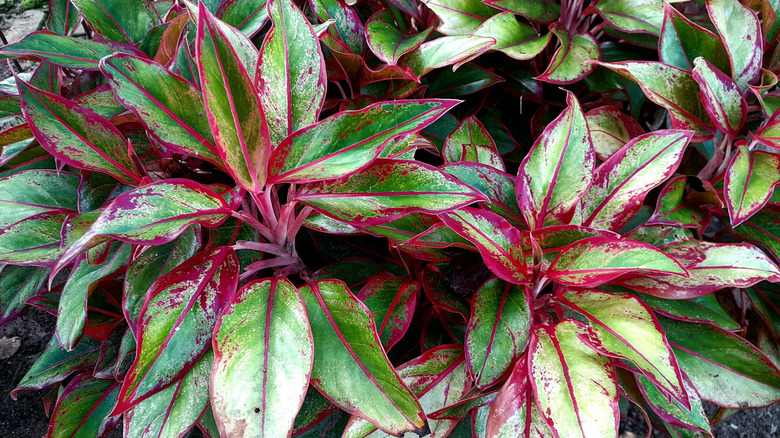
Whether you're planning to plant Aglaonema, or Chinese evergreen, along your garden paths in zones 10-12 or pot them for your balcony, you'll find that they thrive best in well-drained soil with plenty of organic matter to chew on. However, aglaonemas are sensitive to overly-waterlogged soil. This means it's best if you blend dried coffee grounds into an airy soil or compost mix, so they don't introduce too much moisture. While some sites recommend coffee grounds sparingly for Aglaonema, others warn the plant, especially in pots, is too prone to root rot and mildew. Since coffee retains moisture, it may be best avoided.
Rubber plant
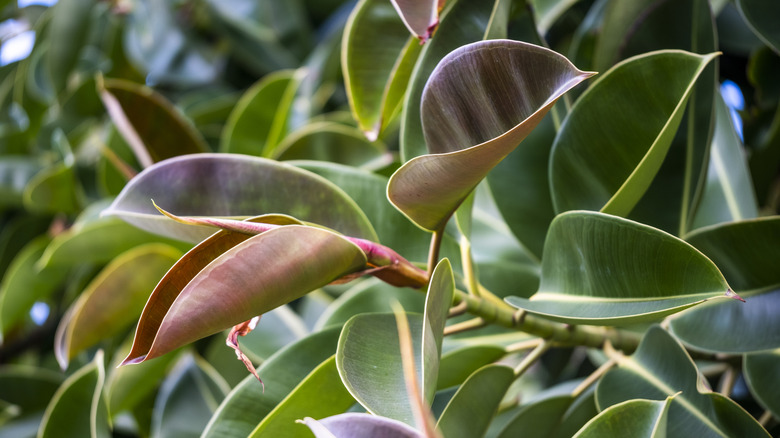
Coffee grounds can provide a welcome jolt of nitrogen to rubber plants, while also supporting steady foliage growth by enhancing soil texture and aiding drainage. The plant grows well outside with dappled sun and shade in zones 9-12. So much so, you should think twice before planting rubber trees next to your house.
Even still, coffee should be used sparingly with this plant, especially when potted, as rubber plants require gradual nourishment and minimal watering. Too many grounds could cause a fungal infection, and kill beneficial microbes. Completely dry out used grounds before use and never use fresh grounds, as they are too acidic.
Basil
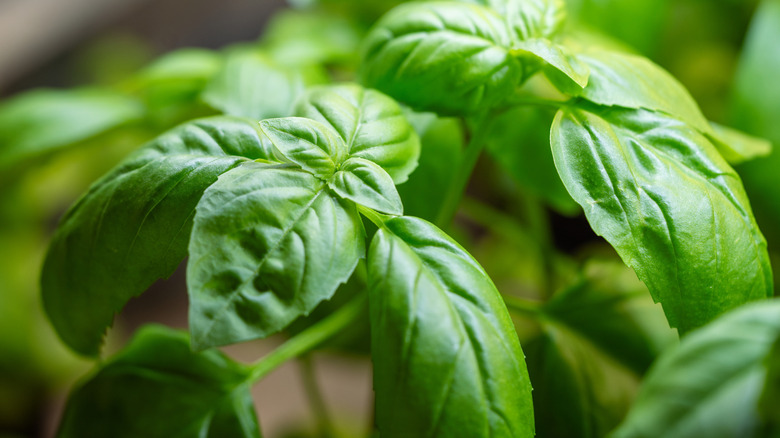
After all this, if you're still skeptical, a basil plant is an ideal way to kick off this coffee experiment. Basil is a sturdy herb and considered easy to grow, making it a great starter plant or for those testing new methods. The fragrant plant thrives in fertile, well-drained, lightly acidic soil that receives consistent moisture. Applied sparingly, the plant will enjoy the slow, steady burst of nitrogen from used coffee grounds. With basil, spent grounds are best used as a compost component, or work a small amount into the soil once a week or so.
Tomatoes
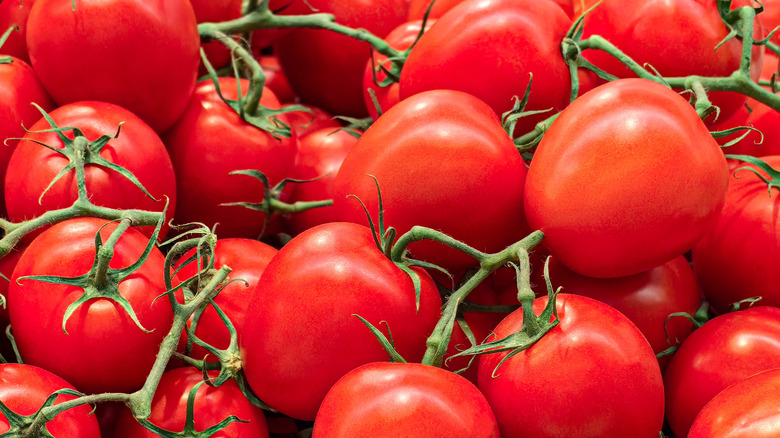
Tomatoes are another heavy feeder for our list which thrive in nutrient-rich, well-structured soil. For tomatoes, the balance between maintaining consistent moisture and draining excess water from the roots is critical. As a result, a coffee grounds mulch or compost concoction with soil, leaves, and other organics is ideal for aerating soil texture, regulating moisture, and dispersing small amounts of nutrients along the way. The natural antimicrobial nature of coffee grounds also help prevent late blight. However be careful how much you add. A light sprinkling helps, but too much can compact on the surface or introduce damaging fungus.
Corn
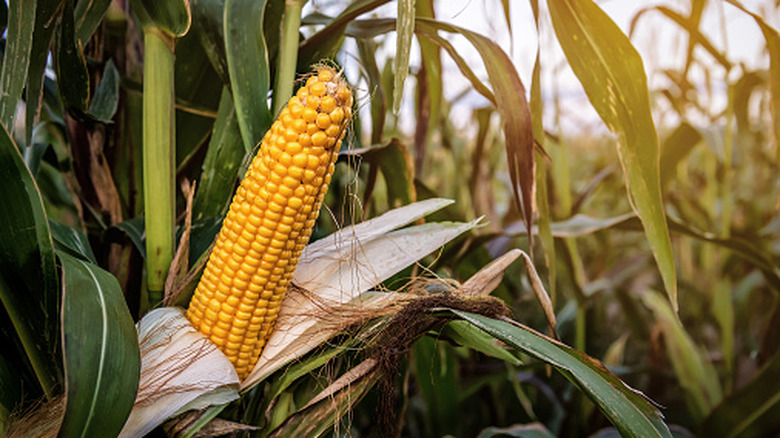
Like some of the other entrants into this list, corn requires fertile soil and steady nutrition to support its rapid growth. The added nitrogen value and soil aerating qualities of coffee grounds are great for elevating growing conditions and developing sturdier roots here. Plus, corn cobs are better protected by their leafy husks when they receive proper nutrient distribution, accounting for a fertile harvest when coffee grounds are combined with other organic matter such as mushroom compost or manure, or used as an amendment to more complete fertilizer. Some gardeners swear this trick is particularly good for growing better sweet corn.
Parsley
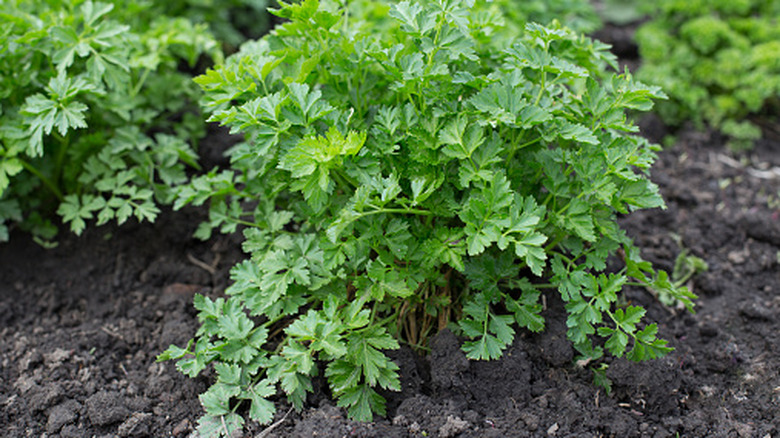
Much like tomatoes and roses, parsley is considered a heavy feeder, so coffee ground compost is perfect for providing a fresh boost of nitrogen and other nutrients. This herb is also known to attract snails and slugs, when planted outdoors. Luckily, coarse grind coffee grounds can snails at bay thanks both to being uncomfortable to climb over and trace amounts of caffeine, which is toxic to them. If these pests are a major concern, consider diluting liquid coffee and using it as a spray on the soil.
Peace lilies

These low-maintenance tropical perennials are beloved for their glossy foliage and elegant white flowers. Peace lilies also thrive in slightly acidic soil in pots or outdoors in zones 10-11, and appreciate a bit of added nitrogen. Throwing some used coffee grounds into an organic potting mix can help to support lush, green foliage, and even deter pests, all while slow-releasing some much needed nutrients. When paired with the best method for watering your peace lilies, the coffee ground method should work wonders.