

A Blizzard Is Coming For Several US States. Here's How You Can Prepare
We may receive a commission on purchases made from links.
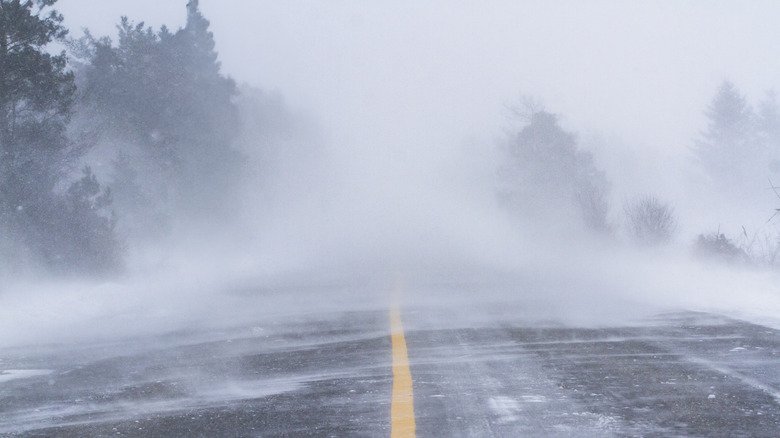
Heading into Christmas, there is wide variance of weather expected throughout the United States. While some areas are expected to be unseasonably warm through the end of the year, perhaps even the warmest Christmas on record for much of the country, a blizzard is coming for several U.S. states. In fact, at least a portion of over a dozen states in the Northwest and Northeast are expected to have true winter conditions during Christmas week. Then, some locations predicted to have an unusually warm Christmas day may be staring at extreme winter conditions within hours or days following the holiday.
While the much of the Northeast is expected to experience winter weather throughout the holiday week, the Midwest is supposed to be unseasonably warm into Christmas. However, that night or the next day, much of the Mountain West, Upper Midwest, Great Lakes region, and western portions of the Northeast could possibly be facing a severe winter weather event, including everything from heavy rains to blizzards and 2 feet of snow or more. Over much of that area, lake effect snow could contribute to blizzard conditions. Jumping ahead to the following week, the year could end with yet another winter weather event, with snow squalls and blizzards affecting a large swath of the U.S.
As a result of this forecast, anyone living in, visiting, or traveling through New England, the Upper Midwest, or other affected areas should be prepared for serious winter weather. That includes preparing your home and yard for blizzard conditions if you live in the area. It also means prepping your vehicle and having the proper clothing whether you are a resident or just passing through.
Make sure you're prepared for a blizzard
No matter what preparations you may or may not have done to this point, when a blizzard is in the forecast, you need to act fast. By definition, a blizzard includes high winds sustained for 3 hours or more, bringing new snow or blowing fallen snow with the storm. Your home should already be well sealed, using caulk and weather stripping to seal all doors and windows. Trim any overhanging, dead, or weak tree limbs to prevent them falling or flying through the air, and prepare your outdoor plumbing for freezing weather. It's a good idea to have an alternative heat source in case of power failure, such as a fireplace or propane heater, or a gas generator. Gather adequate firewood or enough fuel for heaters and generators to last several days.
You'll want to make or restock an emergency supply kit that includes first aid supplies, flashlights and extra batteries, fire extinguisher, smoke alarm, and extra prescription medication. It's worth having a crank- or battery-operated weather radio, like the Raynic weather radio. Make sure you have plenty of non-perishable food, as well as an adequate supply of drinking water, and any necessary pet, sanitary, or baby supplies.
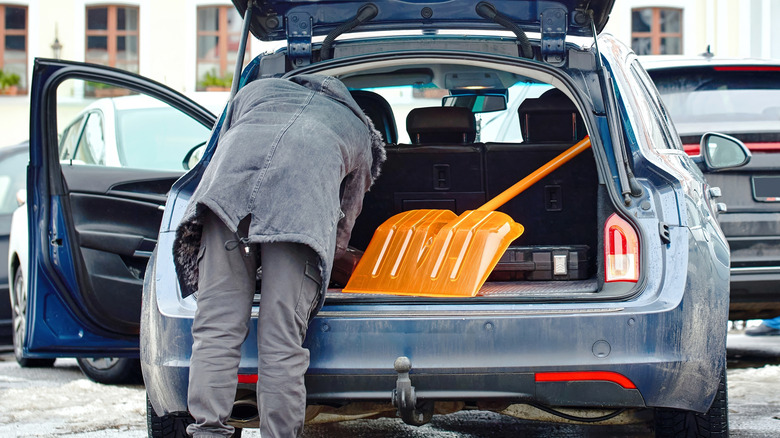
It is best not to leave the house unless absolutely necessary during blizzards. If you do, be sure to dress in warm layers and wear gloves, boots, a hat, and facemask. Should you need to drive, may sure you have sand or salt to de-ice your driveway and your car is prepped for winter driving. That means checking tire and fluid levels, making sure your battery is charged, and your tank is topped off with fuel. Your car should also be stocked with food, snacks, emergency supply kit, extra clothes, blankets, and a phone charger.