

Neither Banana Peels Nor Eggshells: The Forgotten Kitchen Leftover To Use As Fertilizer
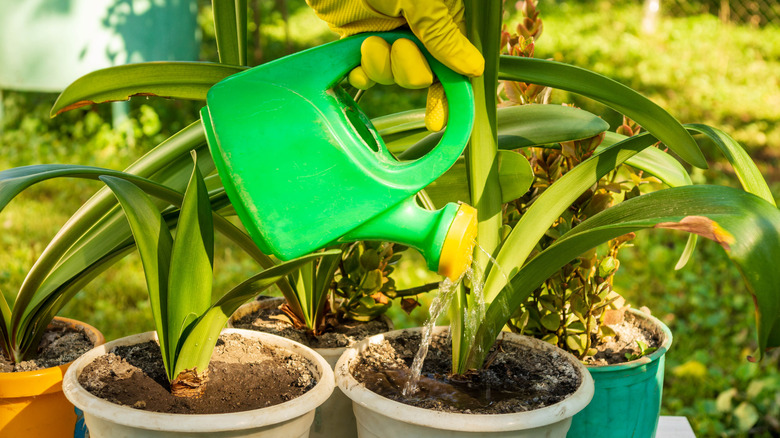
Throughout the 2020s, an increasing number of Americans are growing gardens. In fact, it is estimated that over half of the households in the United States have some sort of garden plot. At the same time, there has been a tremendous increase in the number of people seeking organically-grown fruits and vegetables. As a result, many gardeners prefer natural methods to feed their plants. To that end, they often turn to eggshells to fertilize their plants or use banana peels in their garden to add nitrogen to the soil. There's another, overlooked kitchen leftover — rice water or rice wash — that can also help with soil issues. The great thing is, you can glean benefits directly from the very water you strain off the rice you had for dinner.
Fermented rice water has long been known as a great way to naturally repel pests from your yard and garden. But it takes a few days to make. It turns out, however, that both fermented rice water and regular-old leftover rice water aid your plants in several ways. In both forms, rice water provides some nutrients and boosts microbial activity in the soil. Fermented rice water has the additional benefit of adding helpful bacteria to the soil and repelling insects. But repurposing rice water straight from the pot is great way to cut down on potable water use while supporting sustainable gardening practices. It is also very simple to use, as it can be applied like a pre-made DIY fertilizer tea or simply used during routine watering. There is one caveat — unlike fermented rice, the starches in fresh rice wash can actually attract ants and gnats, if over-applied.
The natural magic of rice water
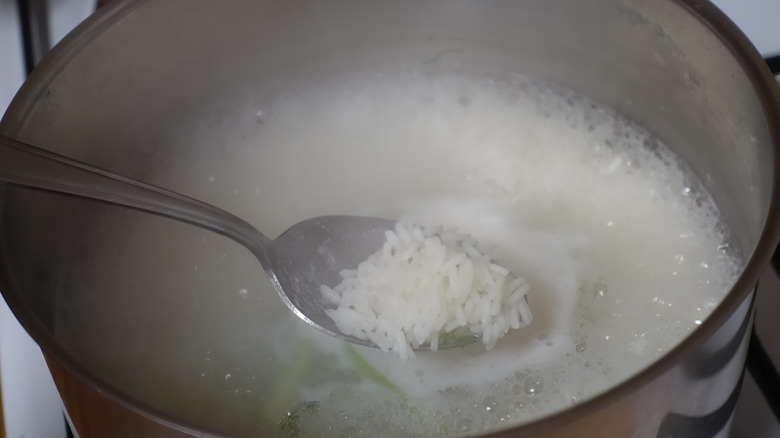
So, what is it about rice water that allows it to unlock these benefits for plants? Part of the magic comes from the starch and micronutrients that leech into the water from the rice both while rinsing and cooking it. This starch essentially fuels microbes in the soil, which then help plants absorb both nutrients and water through their roots. Secondly, small amounts of nutrients such as nitrogen, phosphorous, and potassium end up in the rice water. In turn, these nutrients help enhance the soil. Fermented rice water actually has active bacteria growing in it, which increases the amount of beneficial bacteria in the soil.
Actually there are a few different versions of rice water. One is the water used to rinse rice grains before cooking. Believe it or not, the simple act of washing the rice results in a high percentage of the water-soluble nutrients ending up in the water. Capturing this water instead of allowing it to flow down the drain is one way to get garden-ready rice water.
Of course, the longer rice stays in contact with the water, the more nutrients will be leeched. To that end, when you are cooking rice, add a little more water than necessary, then strain the rice when done. This will leave ample rice water for your garden (and help prevent you from burning your rice). You can also utilize the water in which boil-in-bag rice is cooked for the same purpose.
As with all fertilizers and soil amendments, proper application is key. The thick starches can accumulate in the soil, binding and compacting it, affecting drainage. Some pests, like ants and gnats, are also attracted to the starch. If these become issues, dilute concentrated rice water with clean water, and consider bottom-watering potted plants, rather than misting leaves or top-watering the soil.