

Do Copper Birdbaths Really Prevent Algae Growth?
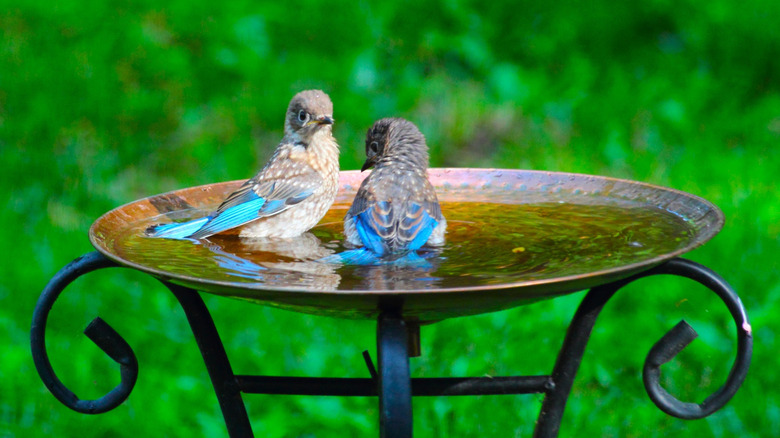
Birdbaths are a great strategy for attracting more birds to your yard. If you are considering adding one, there are a number of things to consider, not least of which is maintenance. After all, where a birdbath with fresh, clean water keeps birds cool and hydrated, a dirty, algae-filled basin not only has the potential to cause illness among avians, it can be a breeding ground for mosquitoes and other insects. With that in mind, among the things to look for when buying a birdbath are the materials from which it is constructed. Some materials are durable, particularly during freezing winters. Others are easy to clean. Then, there is copper, which some claim can prevent algae growth. But, can it really? The answer is, possibly, but not all on its own.
The reason this belief permeates social media and garden centers is because copper is a natural biocide that is, in fact, used in liquid form to control algae growth in many applications, such as pools, ponds and aquariums. This is what has led many backyard birders to either place old pennies in their birdbaths or buy models made completely from copper. While there is some evidence this can slow the growth of algae, solid copper alone (rather than a chelated copper or copper sulfate solution) will not prevent algae from growing in your birdbath.
There is only one way to ensure your birdbath remains algae-free
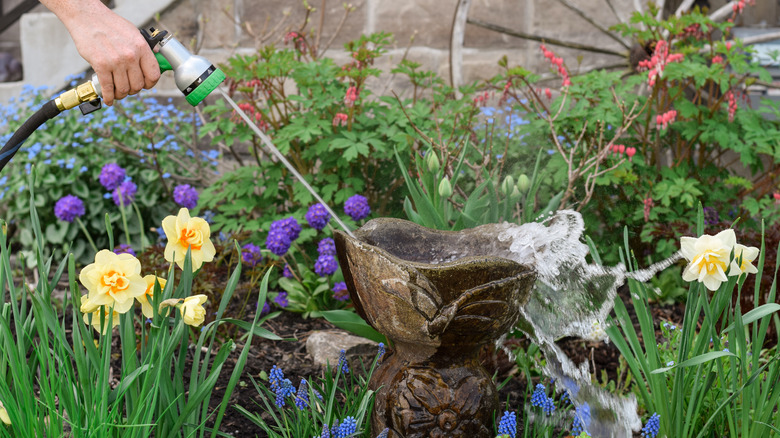
Regardless of what material your birdbath basin is made of, there is only one way to ensure it remains algae-free: Proper cleaning and maintenance. Despite the fact that copper has some properties which limit the growth of algae, without proper cleaning and frequent water changes, algae will form, even when the entire basin is comprised of copper.
Additionally, there are reasons to believe copper may not be the best material for birdbaths. For one, there is some concern that the water could become toxic if exposed to too much copper for too long. Although it has not been determined what, if any, amount of copper exposure would affect small birds through birdbath water, this certainly is the case with some fish in aquarium settings. And it is known that wild birds hanging around industrial waste are prone to copper toxicosis. Secondly, during winter, water is more apt to freeze in birdbaths made from metal than in those made from stone or concrete, as thin metal doesn't retain heat as well.
The bottom line is, even if you decide to go with a copper birdbath, you need to clean it regularly in order to prevent algae growth. This should be done at least once a week, preferably with a mix of water and diluted vinegar. Other measures you can take to help reduce how quickly algae forms include changing the water every other day, utilizing a circulating pump to keep water moving, and never situating your birdbath in direct sunlight.