

Avoid These Common Outdoor Plumbing Issues Before They Cost You
We may receive a commission on purchases made from links.
When it comes to issues with outdoor plumbing, the first thing that typically comes to mind is the need to protect pipes from freezing during harsh winter weather. However, there are a number of problems that can plague outdoor plumbing throughout the year. While some of these issues may be more common in homes with yards and gardens, others can happen to any house or apartment with running water and outdoor space. From leaky faucets to root-filled sewer pipes, there are ways to avoid these common outdoor plumbing issues before they cost you.
One of the most common challenges is leaky faucets. Faucets leak for simple reasons — the rubber seals, washers, and O-rings become brittle, cracked, or compressed. The first step in preventing this is to take a look at your faucets on a regular basis. This way, you can catch problems before they become too serious. If you see water dripping or evidence of damp areas around your faucet, on the wall, or on the ground below it, make the necessary repairs before a full-on leak springs. In general, it's an inexpensive DIY project to take apart the handle or spout and replace washers or seals (turn off the water source first).
There are also steps you can take to prevent leaks from happening in the first place, and prolong the life of your faucet as long as possible. The first and simplest thing to do is to not overtighten the handle when you turn off the water. Simply turn it until it is snug. Secondly, do not leave hoses attached with the water on, as the extra pressure can prematurely wear out your faucet. Finally, be sure to cover outdoor faucets in winter to prevent freezing and in summer to prevent UV rays from damaging rubber seals.
Ruptured and burst pipes are a drain
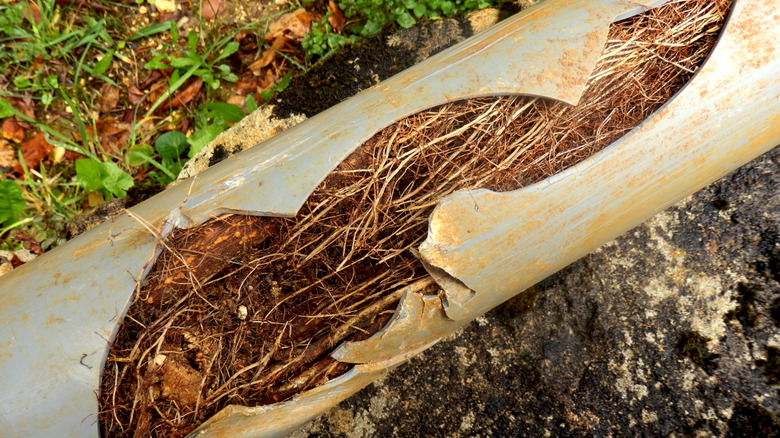
Busted pipes, whether water supply or sewer, can be a major headache and expense. In the winter, pipes can freeze, leading to a rupture. That's often addressed through insulating exposed pipes and installing freeze-resistant pipes subsurface, but there are other reasons pipes crack or burst. Some —natural disasters, corrosion, rust, and age — can't be dodged, while others are easy enough to avoid with a bit of planning.
One reason pipes get damaged is hitting one while digging in your yard. Regardless of the reasons for digging, you should always know the location of water and sewer pipes, as well as any gas and electrical lines, in your yard before you begin. The best way to be certain you know where everything is located, including long-forgotten telephone lines, is to call 811. Known as the Call Before You Dig hotline, it's actually a requirement to call before digging in many areas. A utility company representative will usually come and mark your yard with flags to indicate various pipes and lines to avoid.
One reason for digging is to plant a tree. That act can actually cause pipe problems in the future, as tree roots are notorious for cracking and clogging water drains and sewer lines. Trees will always find water, even if it's in your pipes. Plant them a good distance away from water and sewer pipes. You can also choose species known to be less damaging for pipes, like magnolias and many fruit trees, and install root barriers between trees and pipes. A preventative product like the One Stop Outdoor 24-inch high root barrier control roll should be installed long before tree roots approach pipes.
Clear obscured or clogged sewer cleanouts
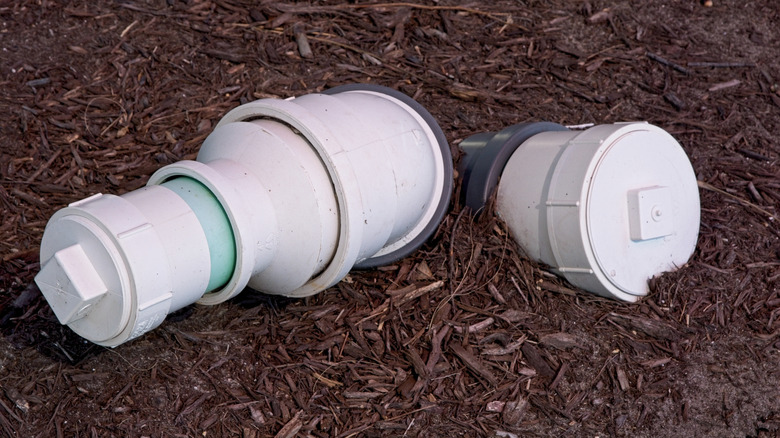
In case you didn't realize it, those PVC pipes you see protruding a short distance above the ground in your backyard have a purpose: These are known as sewer cleanouts. They are typically located within a few feet of your home's slab and should be covered with a removable cap. Their purpose is to give access to the main sewer line, allowing for routine maintenance, as well as the ability to remove major clogs. However, because they are somewhat unsightly, many people have a natural inclination to cover them. Doing so could be costly.
Whether it is yourself or a work crew, when a sewer problem arises, easy access to cleanouts is imperative. This doesn't just mean being able to reach it, but having plenty of room surrounding it to allow for workers and equipment. If you obscure the cleanout with trees, shrubs, bushes, or other vegetation, it can make it more difficult to locate when needed. In fact, those very plants that were meant to aesthetically cover a cleanout will likely need to be removed to allow the needed space for access and work. Additionally, shrubs and trees planted next to a cleanout can increase the likelihood of root damage and clogs to the sewer pipe.