

Why You Should Reconsider Using Mothballs To Repel Mice From Your Yard
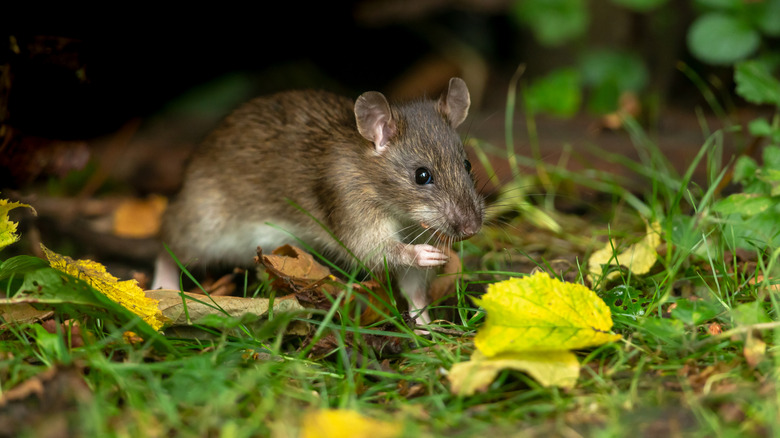
There are numerous hacks that will banish pests from your patio and garden, but one you're better off skipping involves using mothballs to repel mice. At first glance, it may seem like a good idea. After all, the chemicals in mothballs are designed to repel pests, and its scent is unpleasant to mice and other rodents. However, not only is this method ineffective against mice, it's also dangerous and damaging to the environment. On top of that, misusing mothballs beyond their intended purpose is illegal.
One active ingredient, particularly in older styles of mothballs, is naphthalene, a crystalline solid that becomes a gas over time. This makes it very effective in killing moths or larvae in closets where the gas builds up (especially when clothes and mothballs are inside sealed plastic containers). But while mice don't like the smell, it's only a temporary deterrent, especially outdoors where the gas quickly dissipates. There's no credible evidence that mothballs actually keep mice out of your garden long term or harm them in any way.
Worse, exposure to naphthalene can cause a host of problems for humans and other animals, such as fever and vomiting among other, more serious symptoms. Having these balls placed throughout your yard or garden is particularly dangerous for children and pets, who may try to play with or even eat them! As for the legal side, it's a crime to use pesticides in a way that contradicts the instructions on the product label. This means you could be liable for damages caused by using this method to repel mice from your yard, since mothballs are not labeled for use in the garden.
Mothballs aren't doing anything for your mouse problem
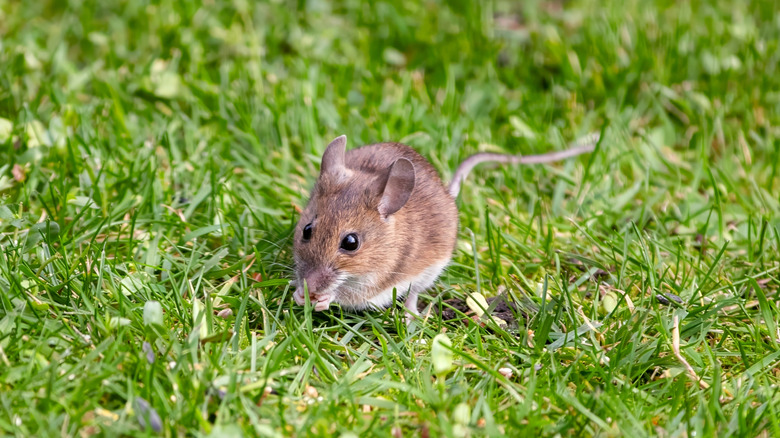
Essentially, the small, odd-smelling fluff balls known as mothballs only work in confined spaces, where naphthalene vapors (paradichlorobenzene is also used) can build up and overwhelm moths and larvae with toxic fumes. But placed alongside a building, or in a yard or garden, those fumes dissipate too quickly to overwhelm any mouse. Since the clever rodents don't like the smell or taste, they're not about to ingest the poison.
There's evidence, too, that individual mice will eventually ignore the smell, and the mothballs, and go on about their business. In the meantime, you haven't addressed the core issue of why your garden is being overrun by mice. Worse, those random mothballs can leach into the soil or nearby water sources, harming wildlife. You'd be much better off using natural scents to deter mice, but there are also ways to make your property less appealing to these rodents.
Start by limiting their shelter. Overgrown grass, brush piles, and dense shrubs are all places mice like to hide. Food sources may be more difficult to limit, particularly if you have edible plants or a bird feeder. Not cleaning up the spilled seeds that land on the ground is a common bird feeder mistake bringing pests to your yard. Also consider fencing off your garden with fine-mesh hardware cloth, inserted several inches into the ground to deter digging. You may want to mouse-proof your shed while you're at it, which is one way to keep rodents from moving around the yard.