

Winter Storm Watch Vs Warning: What The Difference And How To Prepare

We may receive a commission on purchases made from links.
Once winter weather arrives, people across the country get accustomed to seeing winter storm watches and warnings pop up on their phones or flash across their TV screens. What do they actually mean and is there a difference between a watch and a warning? The short answer is yes, but there is a difference. It's important to know what each means, and how to prepare when you see those notifications.
The National Weather Service (NWS) will issue a winter storm watch when the chance of a life-threatening winter storm developing is greater than 50%. However, watches are very generalized, as they are issued early on in a storm's potential formation, so the exact time and location can't be pinpointed. As a result, watches usually cover a broad area and time frame. They are often issued at least 24 hours in advance in order to give residents a chance to adequately prepare when and if a serious winter storm does hit their immediate area.
Winter storm warnings are issued once such an event is imminent (80% or better probability). When a winter storm warning is issued, it means forecasters are expecting heavy snows exceeding 6 inches within 12 hours or 8 inches in a 24-hour period. The NWS may also issue an ice storm warning if more than a quarter inch of ice buildup is expected or a blizzard warning if blizzard conditions are expected to be sustained for more than 3 hours. In short, any winter storm warning means there is a chance of injury or death, damage to property, and that travel should be avoided, lest you be stuck in your car during a snowstorm. If less threatening conditions are expected, a winter storm advisory will be issued instead.
When and how to prepare for a winter storm
It is always better to have as many preparations completed and supplies gathered before a storm is on the way, avoiding the mad scramble to get ready at the last minute. To ensure you ready, things such as preparing outdoor plumbing for freezing weather, trimming limbs, caulking windows, and repairing roof leaks should have been taken care of at the onset of winter.
It's also worth stocking up on supplies, and preparing an emergency kit for your home. An emergency kit should include items such as flashlights (with new batteries), electric lanterns, extra batteries, a first aid kit, and extra medication. Non-perishable food should be stockpiled, along with drinking water, personal hygiene needs, and supplies for babies and pets. It is a good idea to have a safe alternative heat source that doesn't require electricity, as well as a fire extinguisher, working smoke detectors, and a weather radio such as the Midland ER210 NOAA emergency weather radio.
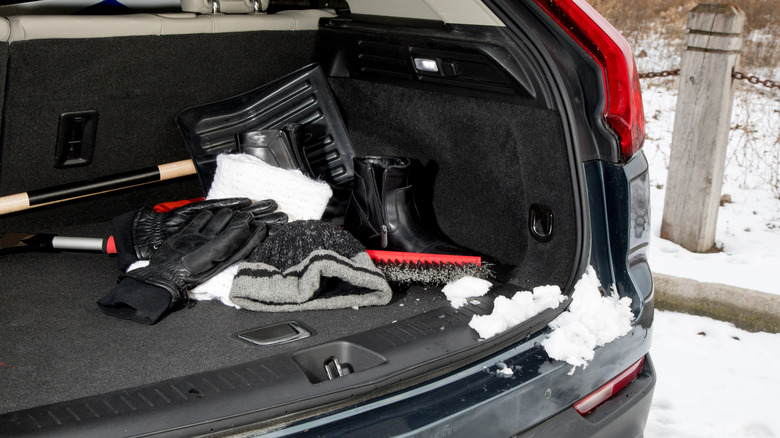
Take care of any car maintenance by the beginning of winter. Regularly check to make sure the fluid and tire levels are where they should be throughout the season. Your car should also be supplied with its own emergency roadside kit that includes jumper cables, tow rope, first aid kit, windshield scraper, and mobile phone charger, along with extra clothing, blankets, snacks, and water. When a winter storm watch is issued, take care of anything you haven't already done to be prepared: Double-check your supplies, restock as necessary, gas up your cars, make sure you have plenty of salt or sand to de-ice your driveway. You want to be certain you are as ready as possible in case the winter storm watch is upgraded to a warning.