

Frost Advisory Vs Freeze Warning: What's The Difference And How To Prepare Your Garden
We may receive a commission on purchases made from links.
Throughout the winter months, gardeners are often concerned about how to protect plants from snow, ice, and frost. While much of what guarantees successfully ushering your plants through winter weather comes from properly preparing prior to the season's arrival, there are still things that can be done just before a frost or freeze. Luckily, the National Weather Service issues alerts before such weather conditions arrive. However, in order to ensure you do all that is necessary once you receive notification, you need to know the difference between a frost advisory and freeze warning, as well as how to prepare your garden for each.
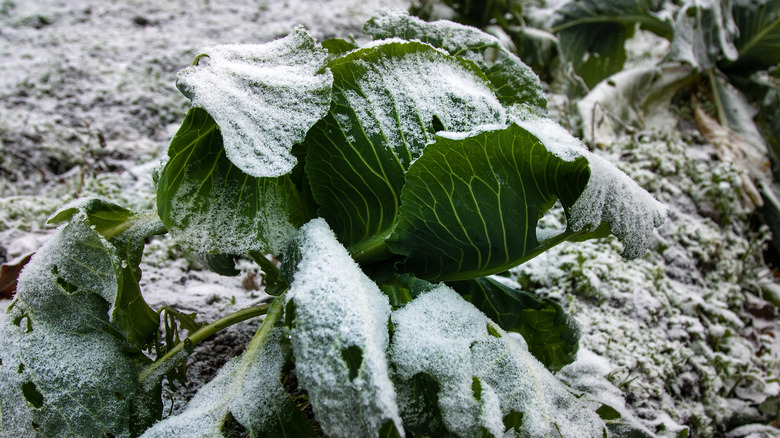
Frost advisors are issued when frost is expected. It's worth noting that the air temperature does not need to reach freezing in order for frost to form. Areas of frost may happen in certain conditions once temperatures hit the low 40s (Fahrenheit). Clear skies and little to no wind can aid in the formation of frost when its above freezing. With that in mind, you want to take steps to protect sensitive plants that may be harmed by frost any time there is a frost advisory, even if the temperature does not dip below 32 F.
Freeze warnings, on the other hand, are issued when forecasters believe the air temperature will go below the freezing mark for an extended period. Such conditions are severe enough to permanently damage or kill many garden plants. A freeze event may or may not be accompanied by precipitation such as sleet, ice, or snow while freeze warnings are based solely on temperature and duration, not on precipitation. If heavy snow or ice is expected, a separate advisory, watch, or warning will be issued.
Cover some, but not all, plants ahead of a frost advisory

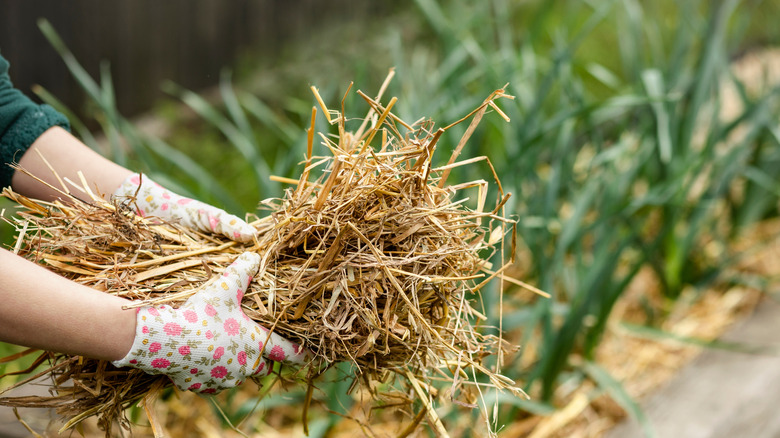
When it comes to protecting your late season crops from frost, there are a few steps you can take to properly prepare your garden. First, harvest any mature fruit or vegetables. Even if you have an adequate supply in the house, there's no sense in wasting those still in the garden or on the vine by allowing them to be ruined from frost damage. Then, give your garden a good, long drink of water. Moist soil retains heat better than dry dirt, so watering deeply before a frost helps insulate your plants' root structure. However, be careful not to overdo it — the soil should be moist, not saturated. Next, add mulch around the base of your plants. Natural mulch like pine needles or straw work best here.
Finally, cover your garden crops. This is best done with a frost cover, such as the Alpine Reach frost & sun cover. However, you can use other breathable materials as well, such as burlap, sheets, blankets, and sleeping bags to protect plants from frost. Covering your crops, however, is somewhat dependent on the types of crops you are growing. Those which are considered tender, such as tomatoes, peppers, and beans, should always be covered when frost is in the forecast. Frost-resistant plants, like carrots and onions, can remain uncovered if the plants are mature and the temperature doesn't get too low. Kale, cabbage, and other hardy crops can handle all but hard freeze conditions and some believe their taste actually improves when exposed to cold weather.
Preparing your garden based on a freeze warning
When freezing weather is on the way, things become much more serious when it comes to protecting your plants. This is particularly true when a hard freeze warning is issued, as exposure to sub-freezing temperatures for a long period of time will kill virtually any garden plants. This isn't necessarily a concern in regards to seasonal vegetables at the end of growing season. In that instance, just harvest any mature fruit or vegetables before the freeze hits (clear out any vines that will be harder to remove post freeze). However, when it comes to protecting fruit trees in your yard, winter crops, succulents, and perennials, you will need to take action.
For starters, bring any portable, potted plants indoors while freezing conditions persist. Plants in the ground or in pots too large to move should be prepped in much the same manner as getting them ready for frost. Begin by watering the soil around the plants (except for succulents), then placing a thick layer of mulch around the base. Again, natural mulch is the best choice. Pots that cannot be relocated should be wrapped in blankets or heavy cloth. Then, all plants should be covered, whether they are in the ground or in pots.
It is important cover them from the ground up. Although many people focus on the foliage, success when covering plants relies on trapping heat that rises from the soil. The only way to capture this heat is to start the cover at the ground. It can also be helpful to use wind blocks, if possible, to reduce the wind chill effect on the plants.