

Planning A Unique Upgrade To Your Backyard? Here's Why You May Want To Reconsider
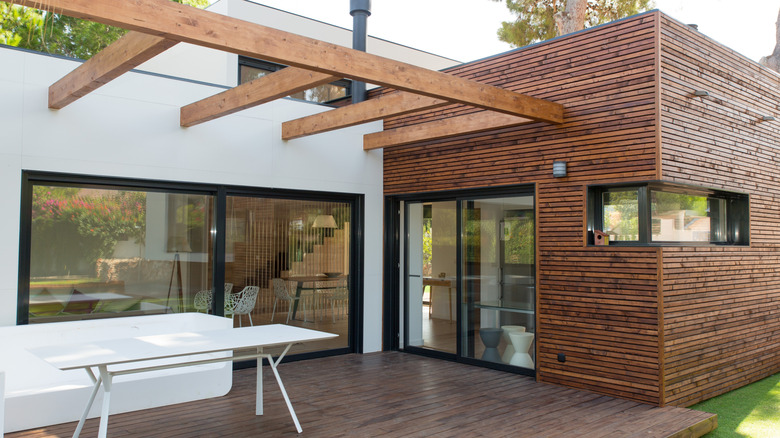
If you're a mover, a shaker, and a happy homemaker, you're probably no stranger to decorating your space with plenty of unique personal charm. This could range from anything like updating your patio with a new, highly-rated outdoor furniture set from Costco, to larger renovations like giant decks, treehouses, and other outdoor projects that — in your eyes at least — boosts your home's curb appeal. While home renovations and outdoor DIYs can be fun and rewarding, you may want to make a few careful considerations before committing to a highly personalized upgrade to your backyard. Before you add costly bonus features to your exterior space, stop and ask yourself how the project may affect your home's actual value. If you have any plans to sell the property in the future, you may find that not all buyers are interested in your swimming pool, tennis court, or overly luxe outdoor kitchen.
Obviously, there's nothing intrinsically wrong with making additions to your home as you see fit, but it would be a shame to invest tons of money and back-breaking effort into an upgrade, just to witness then next owners tearing down your work (or worse, demand you tear it out before they buy). Some outdoor updates add serious value and are all but guaranteed to raise your home's asking price. These projects are rarely fun or flashy. In contrast, personalizing your home too much could actually drive potential buyers away. This is especially true of additions that require maintenance or can create hazards for unattended children, such as open water features, built-in trampolines, or large, permanent fire pits. Even if you're not thinking about selling right away, it's important to weigh out these options before taking action.
Why unique upgrades might be a misstep
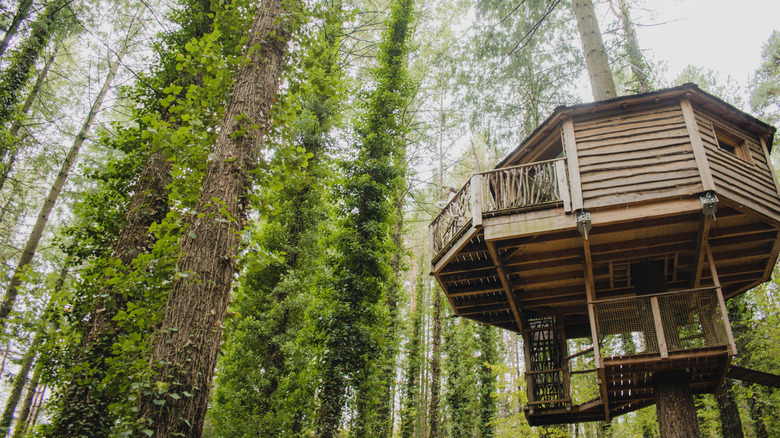
If you are adamant about a unique upgrade, it's worth at least considering what features raise home value, and which could be a detriment for potential buyers. A swimming pool, for instance, could be a real selling point for homes in Arizona or Florida. That same swimming pool might be looked at as an expensive, frustrating, and rarely used feature in New England or the Midwest (and too expensive to remove). Similarly, a treehouse can be a fun and functional outdoor space for children, but could also pose a serious insurance headache. If you're concerned about home value, you're generally better off avoiding any big, flashy renovations, and instead using that money to shore up the basics. A nice wooden fence, a well-treated deck, and a manicured yard will go a lot further on the real estate market than say, a waterslide into a ball pit, or brick permanently painted purple.
So, when is the right time to throw caution to the wind and build your dream structure? For starters, consider the longevity of your stay. Is this house going to be your forever home, where you grow old and see generations of family and friends gathering? Or is it a starter home, designed to be updated and eventually sold? If you're locked in and planting roots, then double-check if there are any ordinances that may prevent you from making big changes. HOAs, city governments, and building inspectors may take issue if you attempt to throw up a greenhouse in your yard without the proper paperwork. Finally, consider the cost and the commitment you're putting into your fun-to-you project. Is it really worth building out a large sporty project when you know you have to retile your roof soon?