

10 Reasons Fall Is The Best Season To Go Camping

We may receive a commission on purchases made from links.
There's something about autumn that just feels tailor-made for camping. The sweltering heat of summer fades, trading sticky nights for crisp mornings and afternoons filled with golden light. The landscape is ablaze with red, orange, and amber leaves, while the air carries the unmistakable scent of woodsmoke and fallen foliage. It's a season that sharpens the senses and slows the pace, reminding campers why stepping outdoors can feel like hitting the reset button they've been craving. With fewer crowds than summer, more comfortable weather than winter, and a natural backdrop that practically begs you to pitch a tent, fall is the sweet spot for many a camper.
But fall isn't just about the scenery, is it? The season offers its own unique rewards, from wildlife on the move to festivals in full swing. Cooler days make hiking and exploring safer, while longer nights create perfect conditions for stargazing around the campfire. Lakes and rivers come alive with feeding fish, and trails shed the mud and ice that complicate other seasons. In short, autumn delivers the rare combination of comfort, adventure, and the sort of beauty you can feel in your fingertips.
Cooler, comfortable temperatures
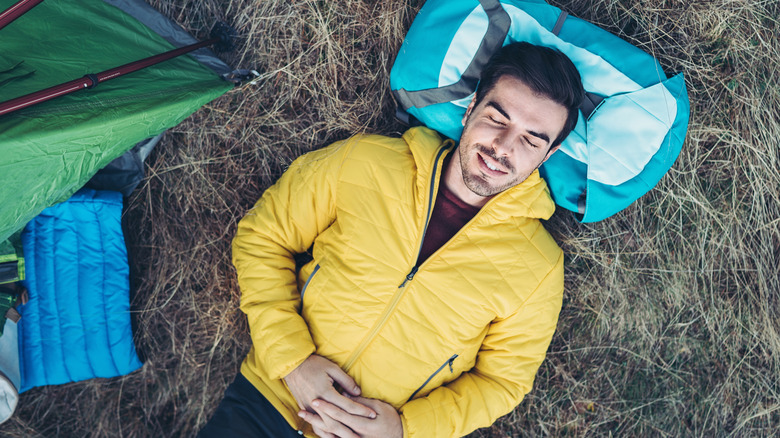
Compared to the heat and humidity of summer, camping in the fall offers much more comfortable conditions for spending time outside. The cooler weather makes physical activity easier, especially when hiking, setting up camp, and carrying gear. In fact, researchers at Arizona State University have found that high heat can reduce hiking performance by more than 10%, while also increasing dehydration and physical strain. Fall removes that barrier, so you can stay active longer without exhausting yourself, and with a reduced risk of heat-related illnesses.
That same drop in temperature also helps you sleep better. When nights dip into the 50s or 60s, you're more likely to fall asleep faster and stay asleep longer. This isn't just anecdotal — multiple studies have found that the ideal range for high-quality sleep is between 60 and 67°F, and that both cold and heat outside that range can disrupt REM and slow-wave sleep. While temps can dip below that range in the fall, it's a lot easier to stay warm while sleeping with a few tips, than it is to keep cool when it's hot out.
Of course, being comfortable still requires a little preparation. And for that, layering is key, both for daytime hiking and nighttime sleep. Base layers, a fleece, and an insulated sleeping pad — like the self-inflating Apollo air mat from Gear Doctors — go a long way to keeping your body warm without overheating. Striking a balance is important, however, since sweating can cause you to feel colder more quickly. With just a little planning, fall becomes one of the most comfortable times to be outdoors, offering crisp, breathable air by day and cozy, uninterrupted rest by night.
Dazzling fall foliage & scenic beauty
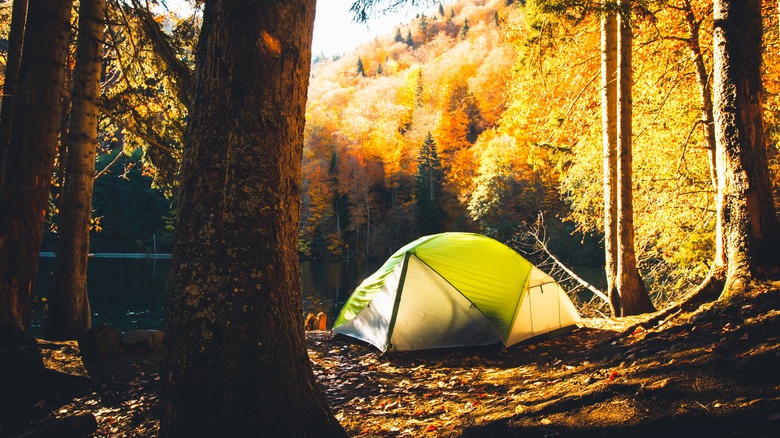
Fall turns an entire landscape into a work of art, making it perfect for outdoor excursions like camping. With daylight shortening and temperatures cooling, trees stop producing chlorophyll, the pigment that keeps leaves lush and green in warmer seasons. What's left behind are carotenoids, causing those same leaves to blush into warm gold and amber tones. The real showstoppers, however, are the fiery reds and deep purples: Pigments produced by anthocyanins during bright days followed by brisk, but not freezing, nights. You can track this change in real time by checking out stunning Virginia locations for fall leaves, as they transform from west to east across the state.
The shift creates a brief but spectacular window of peak color, and depending on region, weather, and species, that window continues to move week by week. Hickories, sugar maples, dogwoods, aspens — each transforms on its own schedule, which is exactly why some areas seem to glow up for weeks at a time. New England, one of the best fall camping destinations, has become world-famous for exactly this reason, boasting dense forests, the perfect climate for color, and a fall tourism season that brings in more than $8 billion a year from leaf-peepers chasing those peak hues.
For campers, that mix of brisk air and cinematic color is unbeatable. Many states even publish foliage maps so you can time your trip when arboreal vibrancy is at its peak. But really, the views are stunning no matter when you go. Whether you're sipping coffee at sunrise or hiking through hardwood forests, camping in the fall gives you a front-row seat to one of nature's most dramatic and short-lived spectacles.
Fewer bugs, fewer bites
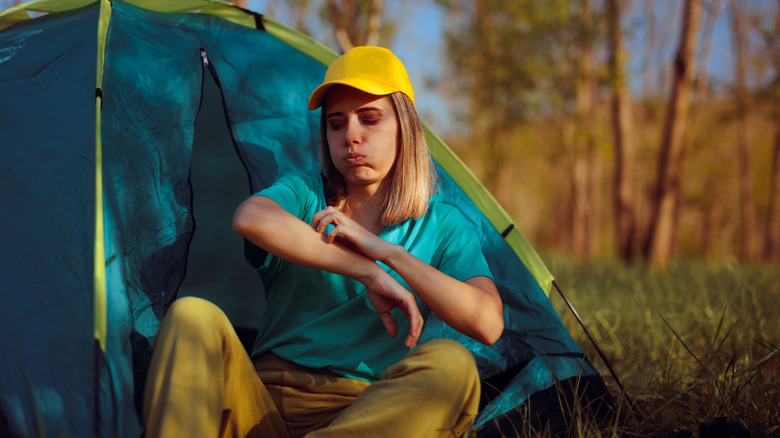
Bugs become less active as warm seasons shift to cold, so fall campers spend less time fending them off. In particular, mosquitoes are cold-blooded insects, meaning they struggle to regulate their own body temperature. You'll find them very active when temperatures are above 70°F, but as they dip below 50°F, most slow down, go dormant, or die off completely.
That's why fall camping feels more serene. It's like you get to turn the dial down on that buzzing in your ears or swatting gnats away from your food. Instead, you get to focus on relaxing by the fire, sleeping under the stars, and eating without battling pests. A meaningful dip in the activity of mosquitoes, bees, and gnats means more freedom to enjoy the outdoors.
That said, even a significant decline in pests doesn't equal zero. More persistent species linger on into fall, especially in warmer regions. So there are wise precautions you can incorporate on any camping trip: Do quick tick checks, especially after hiking; Set camp away from standing water or marshy areas to avoid gnats and flies; Pitch tents in breezy, open areas where pests struggle to fly; and use repellents such as sprays, candles, or even burning sage to deter mosquitoes.
Lower rates & better availability
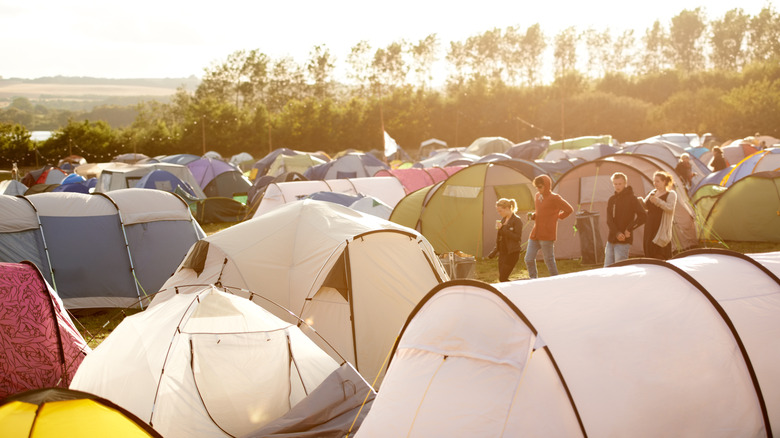
Finding an available campsite in the summer can be a nightmare, but it's much easier in the fall. The fact is, camping demand is huge. In 2024 alone, over 81 million Americans were out camping, and of those campers, nearly 6 million were first-timers. Popular destinations practically groaned under that pressure, with 56% of campers reporting struggling to find campsites. Of course, those numbers only represent what availability's like in the summer, the most popular season for camping. But camping in the fall? You can expect more availability, fewer crowds, easier booking, and a better shot at snagging prime camping spots.
Fall doesn't just bring more availability, but often better rates as well. It's not uncommon to find state parks offering significant discounts on some of their best spots. Seasonal promos help state parks generate revenue in the off-season, making fall camping more affordable. Similarly, required reservations in national parks generally end in September, but many campgrounds are still open on a (much more available) first-come, first-served basis.
Bear in mind that camping in the off-season can come with drawbacks. Depending on the time of season, comfort stations and water access can be limited. With many parks preparing for winter, some services may not be available. Yet even so, consider the trade-off: More freedom, flexibility, and affordability compared with peak season. With less competition, easier reservations, and potential savings on the table, fall easily becomes one of the most accessible times to camp.
Fewer crowds & more peace
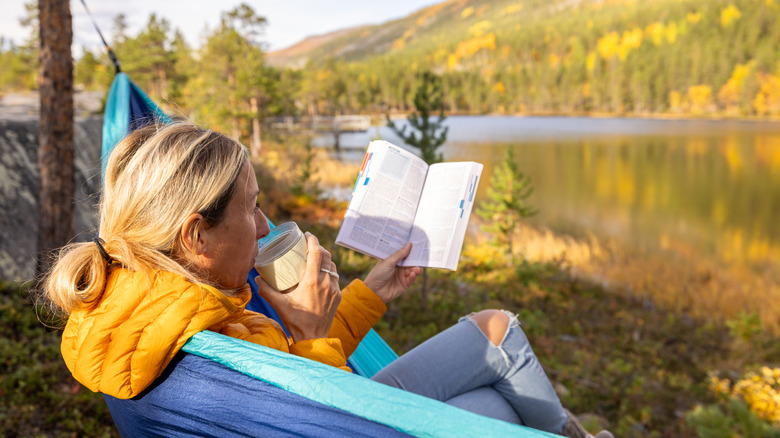
On a related note, camping during peak season means crowded campgrounds and packed trails. When you camp during a shoulder season, like fall, you can expect a big drop in visitation, meaning a quieter experience. Not only does that mean more space to spread out, but it also means easier access to popular areas without lines or congestion. Effectively, you're trading summer's chaos for fall's peace and calm.
Not to mention, when you camp during the summer, you deal with campgrounds full of chatter, kids, and activity. In the fall, trails are quieter. You have more room to breathe and more quality time to immerse yourself in nature without distractions. By camping in the fall, you grant yourself a chance to actually soak in all the solitude you came for.
Of course, just because there are fewer crowds doesn't mean you won't encounter other campers. One inconsiderate camper can ruin the quiet, so camping etiquette is still important. If you end up camping around other people, avoid using bright lights or loud behavior that can disrupt the calm (or at least ask your neighbors' permission before partying). With fewer crowds, fall camping gives you the gift of peace you can't always find in the summer. But it's up to campers to preserve that atmosphere for each other.
Autumn moons & stellar stargazing
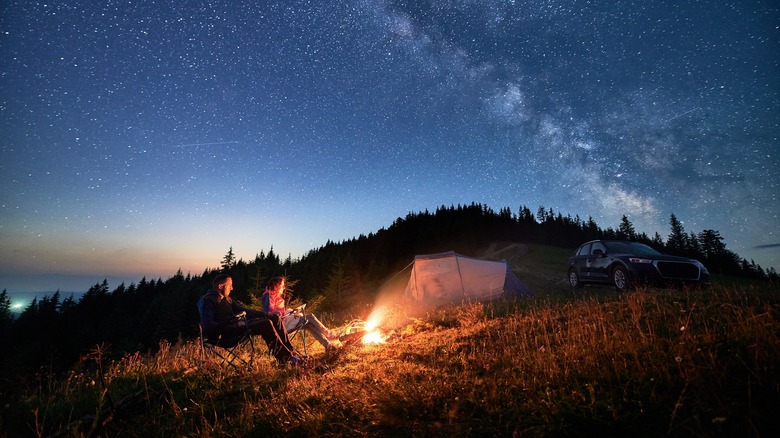
You could say the thinner autumn air makes it easier to see stars, but there's more to how that actually works. In warmer months, heat rises from the ground at night, causing atmospheric turbulence — pockets of air with different temperatures, densities, and moisture levels. As starlight passes through all that, the light refracts, bending slightly in random directions. That's what causes stars to twinkle. Although that's beautiful, fall's crisp air reduces that turbulence, giving you a sharper view of the night sky.
Stars are just one of many celestial sights you stand to see if you camp in the fall. The Orionids meteor shower peaks in mid-October. Alongside brilliant supermoons, you can also glimpse the harvest moon, which appears closest to the autumn equinox, often in early October. Aptly named, it once guided farmers on when to bring in their crops. As the season shifts, new constellations ascend into view, from Cassiopeia's famous 'W' to the Great Square of Pegasus and Andromeda. For the best views, camp away from city lights and use star charts or apps to guide you. Whether you're moon-gazing or marveling at constellations, fall's nightscape offers some of the clearest, most dazzling skies of the year.
Wildlife watching
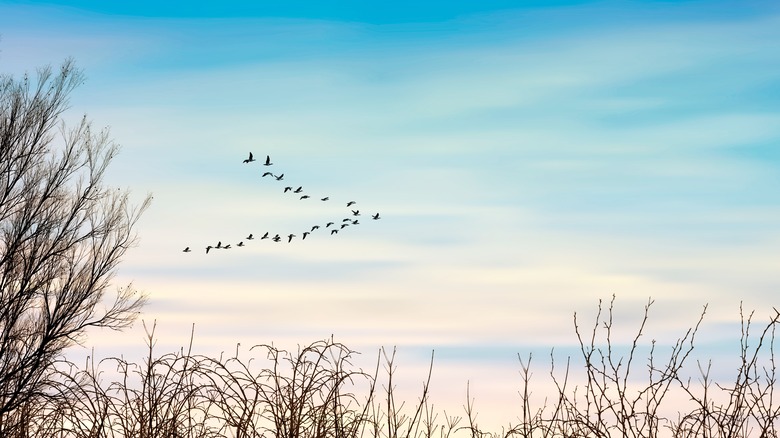
Fall is a season of preparation for wildlife, making it an exceptional time for campers who love to watch nature in motion. From migration to bulking up for the winter, to hibernation, animals are in overdrive as they prepare for colder months ahead. So if you're interested in getting a front row seat to one of nature's busiest times of the year, fall camping is the best way to witness that action firsthand.
This is an especially exciting time for bird lovers. Believe it or not, fall migration is more drawn out than spring, with species moving at different times. Some of the best places to spot migrating birds include Cape May, Great Salt Lake, the Everglades, and Acadia National Park. There, you're bound to see a range of birds, from soaring raptors to flitting warblers, with waterfowl gathering in massive numbers. Pick the right campsite, and you'll be camped right along these flyways.
But fall wildlife isn't just about birds. Beavers work hard to reinforce their lodges. Elk herds fill meadows as bulls spar for the right to mate. And monarch butterflies travel an epic 3,000 miles, clustering on trees during stopovers. It's nature's seasonal finale, and fall camping gives you a front-row ticket to wildlife spectacles you can't see any other time of year.
Better fishing
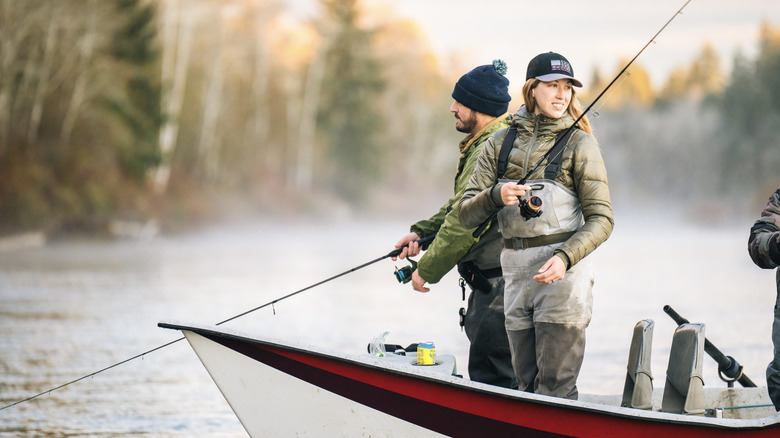
Like to fish? Fall often triggers what anglers call the "feeding frenzy", when fish ramp up their food intake just before winter. Even as cooler water slows their metabolism, fish instinctively eat more to store fat and energy for the months ahead. It's a frenzy that makes fish more active, aggressive, and predictable — prime conditions for any serious angler. And if you're camping by the water, it means you can hit those peak windows at dawn and dusk without ever leaving camp.
Bear in mind, fish adapt to this feeding frenzy in another important way, too. Namely, it forces them to adjust their diets, shifting from smaller prey to bigger, calorie-rich meals. Veteran anglers cleverly mirror that shift in preference by swapping out smaller lures in favor of larger ones. By using slower presentations that mimic large, slow-moving prey, you'll boost your chances of catching walleye, smallmouth bass, and even brook trout, all of which feed actively in fall.
But the real angler's gold is salmon, and it doesn't matter where you go to find it. Whether you're chasing chinook, coho, sockeye, or pinks along the Pacific Coast, landlocked salmon in the Great Lakes, or Atlantic salmon in eastern Canada, fall coincides with their spawning runs — meaning massive numbers gather in rivers and inshore waters. It's the best time of year for salmon fishing, but it also gives anglers a rare chance to encounter multiple species at once, underscoring how fall delivers some of the most dynamic and rewarding fishing of the year.
Safer conditions for outdoor activities
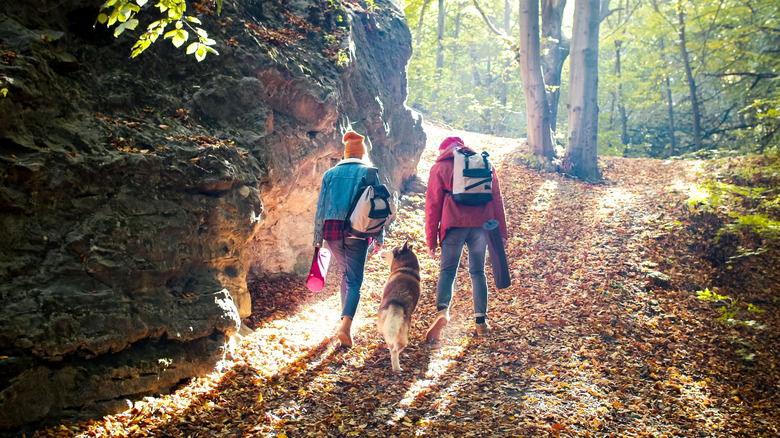
Summer may draw the crowds, but fall offers safer conditions for campers. While heat-related illnesses spike when temperatures soar, it's just as important to note that those at most risk are kids, older adults, and those unaccustomed to warm climates. On the other hand, fall's temperate weather puts less stress on the cardiovascular system, reducing those risks dramatically and making outdoor activities far safer and more comfortable in the process.
Fall also boasts safer, more stable trails. Unlike spring — when you need to watch out for mud, melting ice, swollen streams, and unstable "monorails" of packed, but rotten snow — fall trails are firmer and drier. With less erosion to worry about and surer footing, there are fewer risks of stumbling or slipping as you explore. Stable earth makes your campsite safer and more accessible for you and your family.
For families, that means kids can hike without overheating and are less likely to slip on unstable ground. It also means pet owners can feel confident taking their dogs with them without stressing about paw injuries or overheating. And because the weather suits beginners and seasoned campers alike, fall becomes a great time for everyone to get outside together.
Autumn festivals
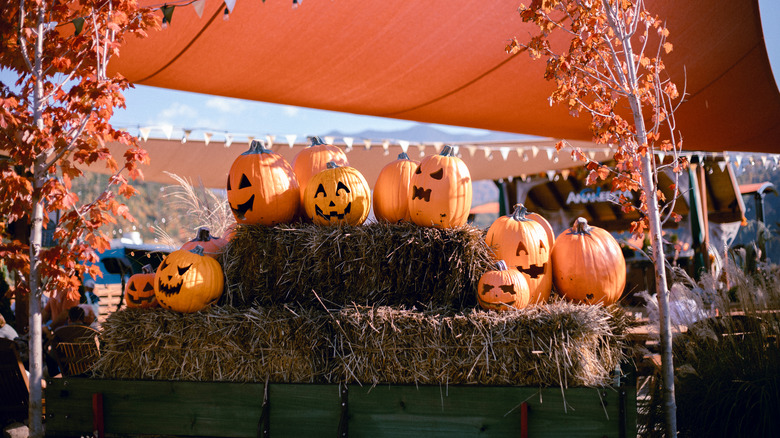
Fall camping lines up perfectly with festival season, giving you new experiences while still letting you slip back to solitude when you want it. It's a chance to see how communities celebrate their culture and history, from harvest traditions, local heritage, and that unmistakable community spirit. By picking your basecamp wisely, you can soak up the seasonal atmosphere, with time on the trail by day, then hot cider, pumpkin patches, and live music by night.
Make no mistake: small-town festivals can be just as memorable as the big, famous ones. And there's a wide variety to choose from. From harvest festivals for apple-picking and pumpkins to food-and-drink events featuring local craft beer, cider, and wine, you'll also find balloon festivals, art shows, and craft fairs if you're after a spectacle. Old Forge Camping Resort in the central Adirondacks of Upstate New York hosts Halloween-themed festivities throughout September and October, including cooking and costume contests, and other events to bring the whole campground together. You can pop into the hamlet of Old Forge and experience the town's fall festivities and art gallery offerings as well.
The key is flexibility. Since you're not tied to a hotel, you can camp close to any festivals you want to hit. Plus, many festivals are family-friendly, often pet-friendly, and easier on the budget than many peak-season activities. You get the best of both worlds — nature's beauty and community celebration — for a fall camping trip that feels genuinely unforgettable.