

How To Get Your Garden Ready For Migrating Hummingbirds
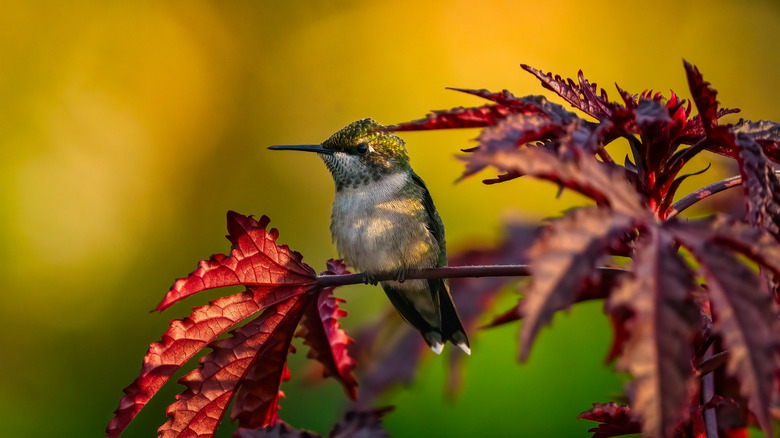
With shorter days and cooler weather comes the time for many hummingbirds to begin their long trek south for the winter. Many hummingbird species in northern North America spend the fall migrating south to Mexico and Central America, where they'll shelter for the cooler months before returning north in the spring to breed. This fall migration often lands between August and November, meaning late summer and early fall is the perfect time to get your garden ready for your traveling feathered friends.
While preparing your garden to say goodbye to some of your favorite pollinators may come with disappointment, this is also a great time to see hummingbirds in action as they fuel up for their journey. You may even have the chance to see a variety of species that don't breed in your area but are passing through on their journey. Plus, not all species migrate, or if they do, they do so only in their local area, so preparing your garden can help these homebodies get ready for winter.
There are several ways you can get your garden ready to host migrating hummingbirds. It can include small, last minute upgrades, such as providing a quick food or water source, or you can take your hummingbird-friendly garden a step further with a little bit of planning in advance to make sure your garden has plenty of water, small bugs (you read that right) and nectar-rich flowers that bloom into fall.
How to prepare your garden for hummingbird migration this fall
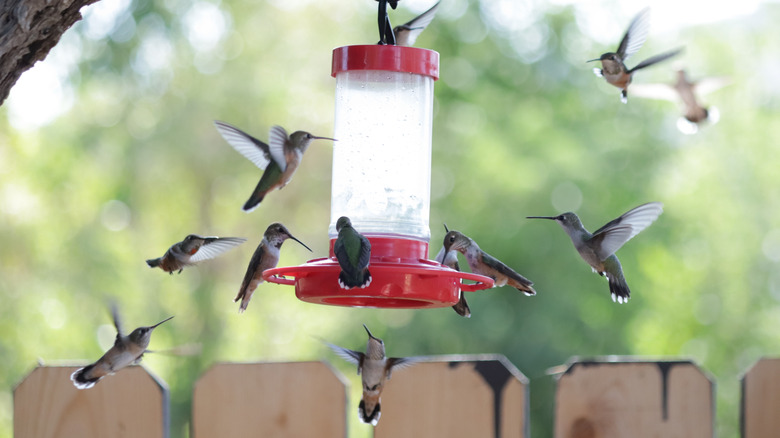
One of the best ways to prepare your garden for any migrating hummingbirds this fall is to dispel common hummingbird feeder myths, like those that claim leaving your feeders up can keep hummingbirds from migrating. Migration is instinctual for hummingbirds, and they'll do it regardless of whether you offer food or not. However, leaving your feeders up throughout autumn can provide hummingbirds with the necessary fuel they need to make their journey. It can also be helpful for any sick or injured birds that need to heal before they start traveling south. For the feeders you leave up, make sure they're filled with high-quality, safe nectar for your feathered friends. You can even opt for a homemade hummingbird nectar recipe over store bought.
Nectar is only one source of food for hummingbirds. They eat insects like mosquitos, gnats, flies, and ants, as well as arachnids like spiders. As a result, another way you can help prepare your garden for any fall visitors is to stop using pesticides during the fall to increase the number of insects and similar small animals available for hummingbirds to dine on. Along with food, adding a birdbath or water feature can give hummingbirds a spot to hydrate, an essential on their long-distant journey. You'll want to make sure you regularly clean your birdbath and any feeders to keep hummers happy and healthy.
If you're planning your garden around hummingbirds and their fall migration, you can also take the time to add some nectar-producing flowers that will keep their blooms well into the latter months of the year. There are many pollinator-friendly flowers you can add to your fall garden, including vibrant goldenrods that will also help out any migrating butterflies.