

Plants That Dog Owners Should Keep Out Of Their Garden
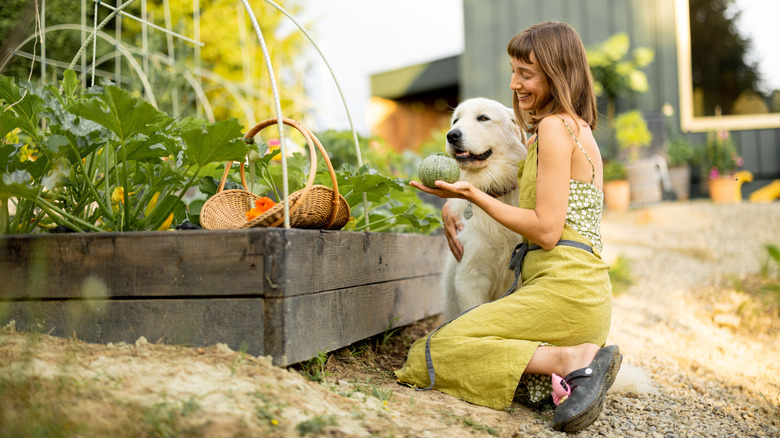
Whether you've been a dog-owning gardener for years, or a newbie at both, it is important to know what kinds of plants you should avoid sowing in your garden. Dogs love to dig and to eat random things. As much as we'd like them not to, there is still a pretty decent chance that your dog is going to dig through your garden. As such, it's vital for you as an owner to make sure the plants in that garden are not ones that could harm or potentially kill your dog.
Poisonous plants are one of the sneaky dangers of gardening to be aware of. While humans are able to research and avoid toxic plants, dogs are terrible at googling. More often than not, a dog will eat whatever is put in front of it if it is hungry enough. Whether it's flowers and shrubs, or fruits and certain vegetables, if a dog want to eat it, it will.
It is important to note that not all of the plants on the upcoming list will cause lasting damage to your dog. Most will cause mild irritations and can easily be solved with a quick trip to the vet. However, others are incredibly dangerous and could very well lead to you losing your pooch if they eat too much of the plant. In general, however, dog owners would do well to keep these 11 plants out of their garden.
Lily of the valley
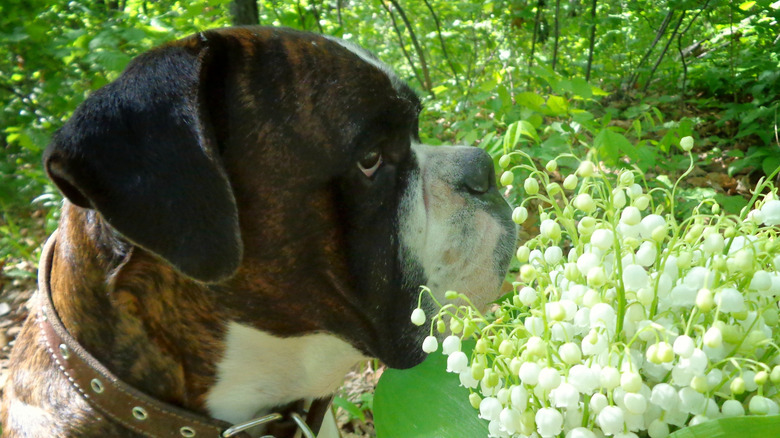
Lily of the valley (Convallaria majalis) is a highly fragrant perennial that thrives in shade gardens. It's known for its beautiful white flowers and deep green foliage. Not a large plant, Lily of the Valley can thrive in small containers and grows well in USDA zones 3 to 7. It's a beautiful plant to look at, but all that beauty hides a secret. Lily of the valley is known — especially to fans of "Breaking Bad" — for being a toxic plant that, when ingested in concentrated quantities, can be highly dangerous to both people and dogs.
Lily of the Valley contains compounds known as cardiac glycosides. When a dog eats these, they will very likely experience the following symptoms: vomiting, diarrhea, and, most concerning, cardiac arrhythmia with potential seizures. Since lily of the valley is not a true lily (Lilium spp), its ingestion will not result in any kind of acute kidney failure. However, it is dangerous enough to cause some lasting damage as a result of seizures or irregular heart beats.
As such, if you see or suspect your dog of having eaten lily of the valley, take them to a veterinarian right away. Most of these symptoms can be treated with medication. However, seizures are a pretty serious matter and could cause more impactful after effects, including brain damage. Best not to plant lilly of the valley if you have pups.
Hyacinth
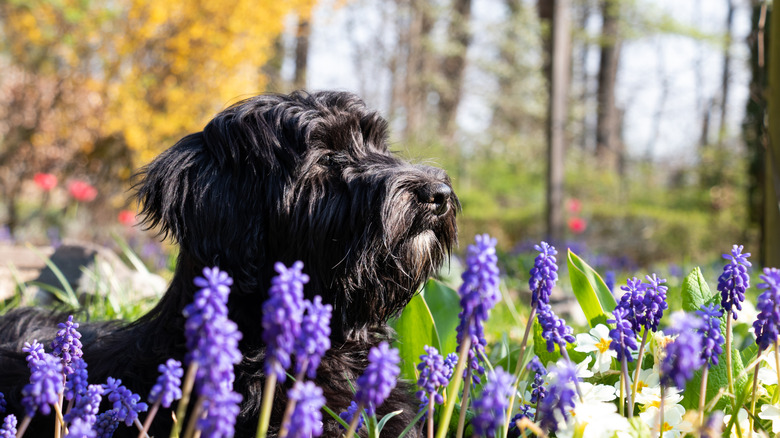
Whether they are looking for food, or trying to hide their favorite toy or bone, dogs love to dig. It's an annoying thing, but it's what comes naturally to them. And even while there are clever tricks to get them to stop digging in your garden, there is only so much you can do to prevent this behavior. So, if you've planted bulb plants, such as tulips or hyacinths, you need to be extra careful, especially when planting the latter.
While digging, your dog could easily unearth hyacinth bulbs (Hyacinthus orientalis) and eat them. If this occurs, it could pose a real problem. Stomach irritation, such as vomiting and loose stools, and potential increased heart rate are symptoms of hyacinth bulb ingestion. Other symptoms can include certain respiratory issues, such as labored breathing. Hyacinth thrive in USDA zones 4 to 8, so if you live in these areas, it's worth being aware of what your neighbors are growing also.
While the toxicity of hyacinth bulbs is serious, all of the symptoms can be fixed by a trip to your veterinarian. Unlike some of the other plants that are to follow on this list, there are no known adverse or continuing side effects caused by the ingestion of hyacinth bulbs. Obviously, you don't want your dog eating them regularly, but they are decidedly less toxic than some of the plants that follow.
Geranium
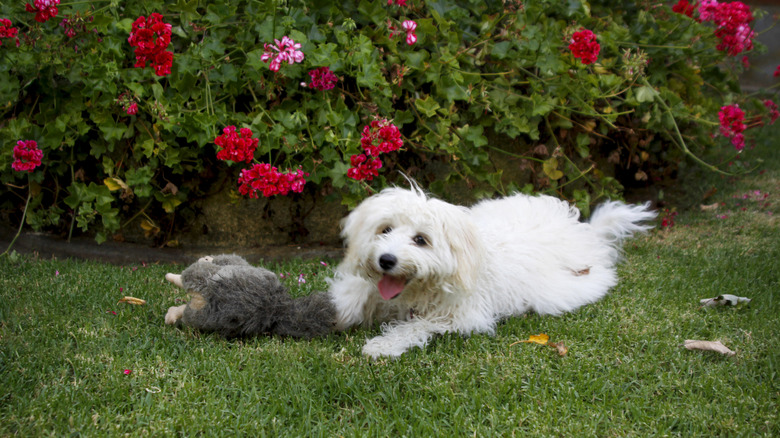
Geraniums (Geranium spp) are among the most beautiful and fragrant, heavenly flowers you can plant in your garden. With an aroma somewhere between a citrus tree and a rose, the scent is unmistakable and can draw bees, butterflies, and many other beneficial insects you shouldn't kill to your garden. The sweet smell of geranium, which can be grown in most zones, can also draw your dog to check them out. And while the plant is not of much concern if your dog eats some, there will be other problems if they get too close.
All varieties of geraniums are toxic to dogs, make no mistake. When eaten, there will be symptoms of gastrointestinal distress, including vomiting and diarrhea. While toxic and concerning, the compounds in geranium do not cause any lasting damage, and the symptoms will pass on their own in good time.
The other aspect of geraniums that can cause concern for dog owners is the fact that the leaves and flowers can cause allergic reactions in dogs when they come into contact with the skin. So, on top of stomach issues, you could have hives, rashes, and dermatitis to deal with. Topical creams and ointments from the vet can be used to help with these, and internal medications are available.
Peony

Peony flowers, hardy in zones 3 to 8, are known for their intricate blooms and wonderful fragrance. They are an absolutely stunning perennial that you can plant in your garden once and not have to worry about for many years. While they come in a variety of different colors that make them incredibly tempting for any gardener, those who own dogs might want to think twice before planting them along the front walkway.
Contained within the peony plant (Paeonia spp) is a compound called paeonol, which is what gives the flower its signature sweet scent. However, this very compound is also toxic to dogs. It is most concentrated in the stem and roots of the plant. If your dog digs around and ingests some of the roots or root bark off of the peonies, they could be in for some pretty serious stomach issues. Interestingly, peony roots are used in Chinese medicine for its anti-inflammatory properties.
Symptoms of paeonol toxicity include vomiting and diarrhea. This only occurs if the paeonol is eaten in enormous quantities, and it does not have any truly terrible effects outside of the stomach issues. However, you should still take caution. Excessive vomiting and diarrhea can cause issues such as dehydration, which can be very serious. In all cases related to toxic plant ingestion, take your pup to a vet right away.
Rhododendron
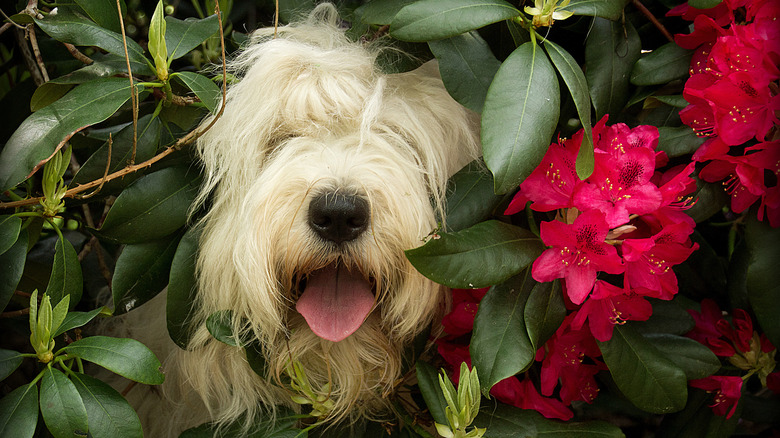
Rhododendrons (Rhododendron spp) are an amazing variety of plant. Once planted, they grow to immense sizes in a short period of time. In bloom, they offer up immense and colorful flowers that, while they don't stick around very long, are an absolute kaleidoscope of color. They make a wonderful addition to any landscape in zones 4 through 9. However, for dog owners, they present a real problem.
The leaves of the rhododendron plant, as well as their sister plant azaleas, are extremely dangerous for dogs. They contain neurotoxic compounds known as grayanotoxins, which can dangerously alter the sodium levels of a dog's skeletal and cardiovascular system. Extremely small amounts of any part of the rhododendron plant will cause some truly serious side effects. Rhododendrons aren't just toxic for pets: Humans ingesting honey made from flowers in the Ericacae family succumb to a form of intoxication (and rarely death) known as mad honey disease.
Just how toxic are rhododendron plants to dogs? An ingestion will cause drooling, paralysis, cardiac arrest, seizures, comas, depression, dizziness, hypotension, vomiting, diarrhea, and, in many cases, death. If you see or suspect your dog of eating any amount of rhododendron, seek veterinary help right away. The faster you get to the vet, the better chance you have of saving your dog's life. So, if you're a dog owner and have rhododendrons, or are thinking of planting some, please make sure that you keep your dog as far away from it as possible. If you have fencing or utilize an electric collar for your dog, those are some of the best ways to ensure their safety against this extremely harmful plant.
Hydrangea
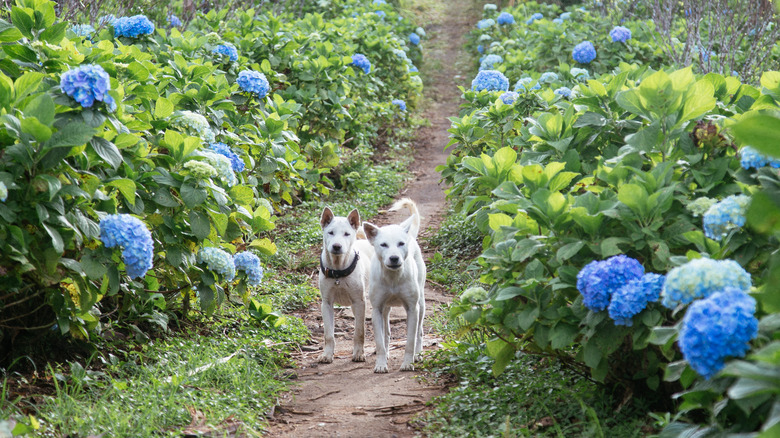
Among the most beautiful and popular plants, hydrangeas (Hydrangea spp) have a unique bloom that comes in a wide variety of colors that change based on the pH of your soil. They are another hardy perennial in zones 3 to 9 that you don't really need to worry much about after it's been planted. The only thing you need to make sure not to do is prune certain varieties during the fall. If you do, you might not have blooms the following spring.
Despite their popularity and beauty, hydrangeas are not the best plants to have around canines. The plants contain cyanogenic glycosides which are toxins, mainly concentrated within the flowers and leaves. When a dog eats these, the compounds break down in the digestive system and become cyanide. Even when ingested in small amounts, this can become a moderate to severe problem with dogs.
Symptoms of moderate hydrangea poisoning include vomiting, diarrhea, and a lack of interest in food. More serious cases involve excessive vomiting, bloody stool, difficulty breathing, and potential collapse. In these cases it is important to get to an emergency veterinary clinic straight away. While dogs seldom lose their life if they've eaten some hydrangea, there is a possibility it could occur. Best to seek medical attention sooner rather than later.
Sago palm
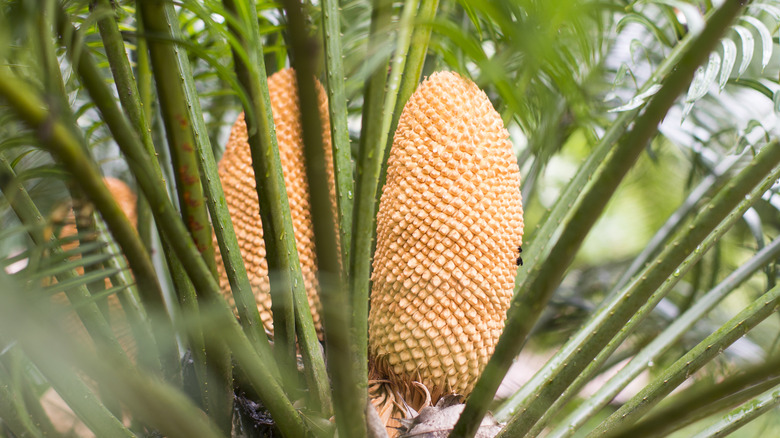
Sago palm (Cycas revoluta) is one of the easiest house plants you can growindoors, or outside in zones 9 through 12. Defined by their thick, bulbous bases and wide green leaves, sago palms are like miniature versions of larger palm trees and make excellent additions to walkways and gardens. They lend your space a tropical feel, but they do present a massive problem for dog owners.
Sago palm is widely considered to be among the most toxic of all plants when it comes to dogs. Every part of the plant is toxic, but the seeds are especially potent, and unfortunately pets are attracted to this plant. There are numerous toxic compounds found within the sago palm seed pods that can cause lasting damage or death, even after eating just one seed. Symptoms can start as early as fifteen minutes following ingestion. And when they kick in, they are not good.
The toxins from the sago palm primarily target the liver. Liver failure in dogs is incredibly serious and needs to be treated immediately. The symptoms of liver failure in dogs include wobbly gait, nose bleeds, bloody stool, consistent vomiting, seizures, and yellowing eyes and skin. As such, it is always better to be safe than sorry when it comes to this plant. Lasting damage will be caused by ingestion (the plant is equally toxic to humans), and it would be better that you just don't plant these plants to begin with.
Black walnut and other trees
Moving on from flowering plants and shrubs, gardeners and orchard keepers should still be aware of the types of human edibles that can affect dogs in a negative way. One of the biggest ones are any type of nut trees. In general it is best that dogs stay away from nut trees. Things like almonds, cashews, macadamia nuts, and even acorns, when eaten in large enough quantities, can cause a number of issues such as choking, intestinal blockages, vomiting, ataxia, and upset stomachs.
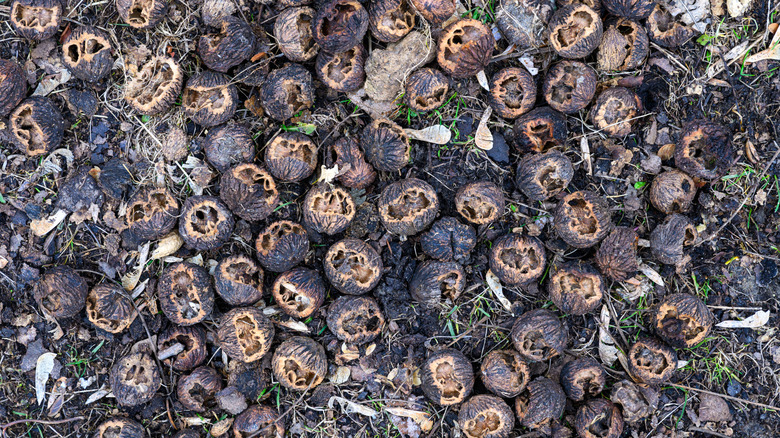
One nut tree in particular dog owners should never plant in their yard is black walnut (Juglans nigra). While the tree itself does no harm to the dog, the nuts it produces can potentially cause some issues. Black walnuts contain a toxic compound called juglone, which if ingested in large amounts can cause stomach issues and even neurological problems like muscle spasms and seizures, and rarely death. Plus, when the shells remain on the ground for too long, they can easily become moldy. And if a dog eats a moldy shell, that creates a whole manner of additional, and potentially fatal, complications. Black walnuts aren't much better for the plants in your yard: Fallen branches or felled trees can leach juglone into the soil, and as such it's a fast-growing tree you might reconsider planting in your yard.
Fruit trees, too, can potentially cause issues, though not nearly as much as the previous two. Stone fruits, such as peaches, may be safe to eat, but the pits can easily be a choking hazard. While apples are great for dogs, the seeds contain trace amounts of cyanidewhich can be harmful if ingested in huge quantities. Overall, however, the risk from fruit trees is negligible compared to nuts like black walnuts.
Tomatoes
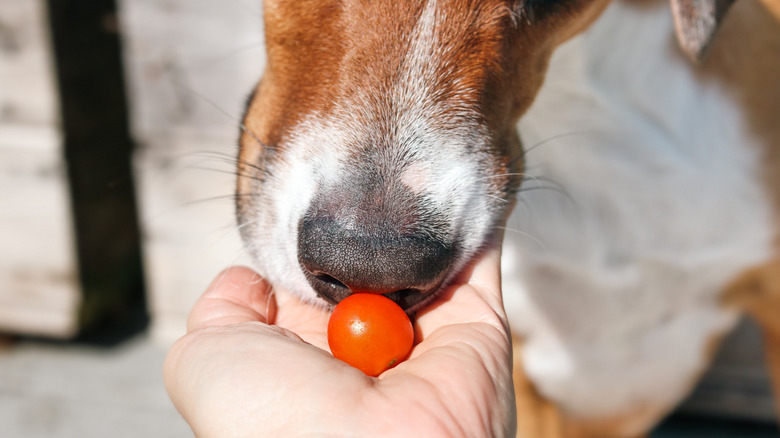
Oh, tomatoes. The perfect summer vegetable that practically any gardener can be successful at growing in a variety of zones — provided, of course, you're planting the easy-to-grow varieties like Sun Gold cherry tomatoes. The fruit of the tomato (Solanum lycopersicum) is so excellent when it's fresh, that even your dog can eat some in small quantities. However, they need to stay well clear of the vines.
A breed of nightshade, the vines and leaves of the tomato plant contain a toxic substance known as solanine. This substance is also found in green, unripened tomatoes. If a dog — especially a small breed or a puppy — ingests too much of this compound, they can suffer from what is known as tomato poisoning. While rarely fatal, it does have symptoms that are cause for concern.
These include some standard ones we've seen throughout this list, such as gastrointestinal upset, vomiting, and loss of appetite. Severe tomato poisoning can cause symptoms like tremors, abdominal pain, cardiac effects, and muscle weakness. If you have fences or other means of keeping your dogs out of your vegetable patch, use them. It's going to be far better for you and them if they aren't romping around your garden in the first place.
Potatoes
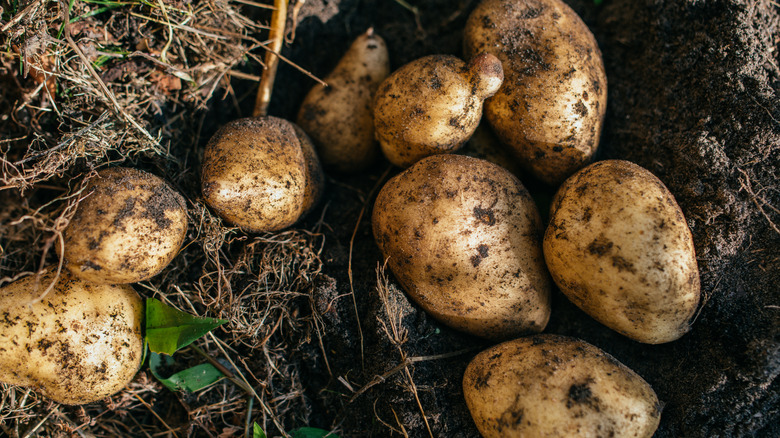
Another member of the nightshade family that thrives in zones 3 through 10, raw green potatoes (Solanum tuberosum) and their leaves are toxic to dogs. They contain the same solanine that causes those extreme stomach and cardiac problems we mentioned earlier. However, solanine, a glycoalkeloid, is much more concentrated in potatoes, which means that it takes a smaller amount of raw potatoes or leaves to have the same bad effects as the severe tomato poisoning we just told you about.
It's also been shown that increased amounts of solanine can cause neurological issues in dogs. This is where things like tremors, muscle weakness, and seizures come into play. When a dog has a seizure, you need to make sure to provide it room to writhe around without hitting into anything. It is safer for the dog, and you when you do this, even though the process seems intense.
It is perfectly fine, however, to feed your dog fully cooked potatoes, in moderation. In fact potatoes are a common ingredient in many dog foods. If they eat too much cooked potatoes, the worst thing they might get is an upset tummy. So, best to be cautious in the garden and keep dogs from digging, and not let them get too gluttonous with cooked potatoes.
Alliums
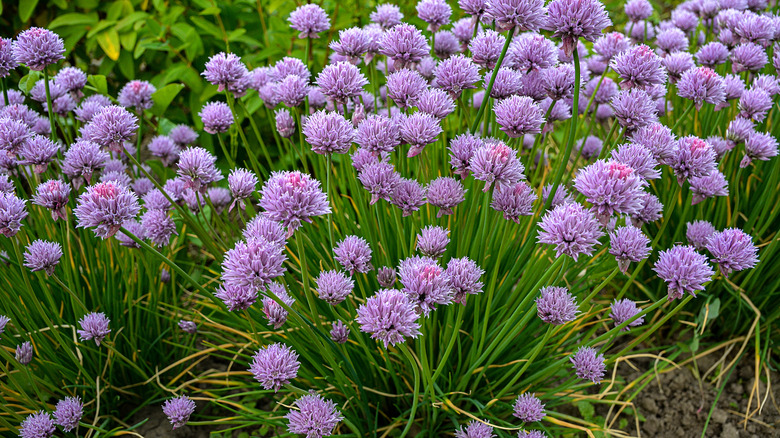
The allium family of plants includes some of our favorite cooking vegetables, such as onions, leeks, chives, walking onions, and garlic. While they are great in our pasta sauces and salads, the sad reality is that, for dogs anyway, alliums are not good. This is because all allium plants contain certain compounds that can cause major harm to your dog. These compounds are particularly concentrated in powdered and dried forms (think dried flakes and soup mixes).
The compounds in question target dogs' red blood cells. When this occurs, your pooch could end up with anemia, which is something the dog will have to struggle with for the rest of its life. If caught early enough, anemia can be treated through diet and medication, and your dog could continue to lead a happy life. If left untreated, the anemia could very well prove fatal. So, do your dog a favor, and keep them away from the onions and garlic. It's also worth noting that cats are even more at risk from ingesting alliums, so if you have multiple pets, keep them out of the garlic rows.
As shown, many of these plants are ones that don't necessarily create too many lasting issues for your dog. However, you do want to be careful. Highly toxic plants, like these alliums, sago palm, and rhododendrons, should not be anywhere near your dog. However, as long as you take the proper precautions and have a good vet, your pooch will live a healthy life, and you can garden to your hearts content.