

The Fence Alternative That'll Have Birds Flocking To Your Yard
Adding privacy to your yard doesn't have to be boring. There are many ways you can escape wandering gazes without sacrificing the charm and aesthetic of your yard. However, if you need more coverage than a comfortable DIY privacy nook in the corner of your yard provides, then fencing may be a better choice. Even then, maintaining your perimeter doesn't have to be lackluster, especially when you swap out wood or composite fencing options for environmentally friendly, biodiverse shrubbery that you and your local wildlife can both enjoy.
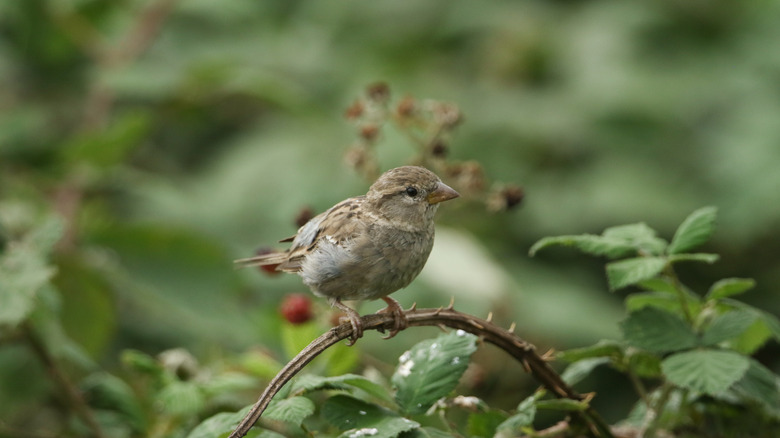
You can attract a variety of birds using native plants in your yard. By opting for native shrubs and bushes instead of traditional fencing, you create a living fence that birds and other wildlife will relish. Plus, native plants tend to be fairly hands-off once they're established (since they're adapted to thrive in your area without added water), meaning less upkeep and daily maintenance. You can even opt to plant berry bushes that songbirds love, providing them with a tasty snack that helps make your yard irresistible. Overall, using shrubbery as live fencing for your yard can be a great way to increase privacy while reaping a variety of benefits.
How to create a bird-friendly living fence
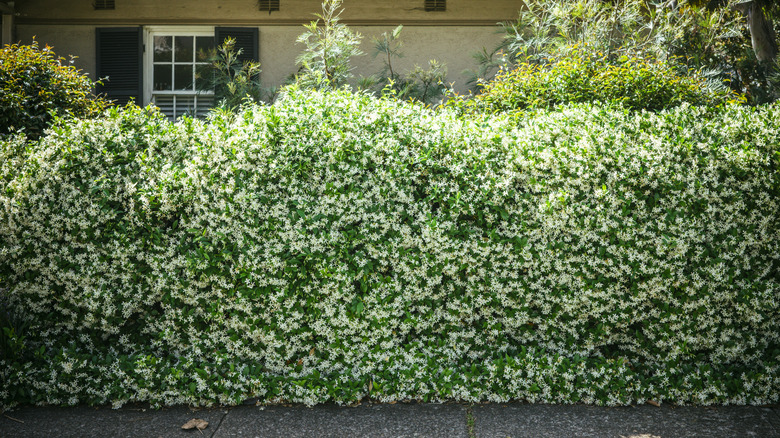
Before you get started shoveling dirt and planting bushes, there's a bit of preparation that needs to go into creating a fence made of shrubs that birds will love. Even though living fences have a long history in many cultures, the first step is learning what you can and can't do in your area. By researching local ordinances and checking with your HOA if you have one, you can ensure your dream of a vibrant living fence can become a reality.
Once you have the green light to start fencing, there's more research in your future: Specifically to see what shrubs are native to your region and can thrive in your yard. Taking your lifestyle into consideration is essential at this point. After all, you don't want to add plants with any toxic parts if you have children or pets.
With research and preparation behind you, you can finally start constructing your own living fence. There are many ways to build one, especially since your choice of plants and trees can vary. Start by planning out your vision, then clearing the area to begin planting. While the finished results for your shrubbery fence may be low-maintenance, it can take time for your plants to learn what they're supposed to be doing. Initially you may need to train or prune them until they establish themselves into a cohesive wall. Otherwise, caring for a living fence is similar to caring for the individual plants, had you placed them elsewhere in your yard.