

The Top 11 National Parks To Visit In 2026

The United States National Park Service manages over 460 sites spanning 85 million acres across all 50 states. Of those sites, 64 contain the National Parks many of us know and love, such as Yellowstone, Yosemite, and Acadia. Many of these parks are bucket list destinations for people all over the world. Yet, there remains a fairly consistent cadre of parks and national monuments that are visited and beloved more than most. We've rounded up 11 parks that are that are well worth visiting in 2026.
Our list was formulated by cross-referencing data collected by the National Park Service, along with other rankings from established travel news sites like U.S. News and World Report and the National Parks Conservation Association. The rankings include which parks were most visited in 2026, as well as which parks consistently score among the best parks to visit because of their accessibility, wildlife, and iconic natural scenery.
The list we've compiled contains many perennial favorites, such as the aforementioned Yellowstone and Yosemite, but also some visit-worthy places that you may not have heard of before, such as Kenai Fjords in Alaska, and Haleakalā in Hawaii. We wanted to offer you a blend of places that will always serve the best natural bang for your buck, and some underrated or lesser-known spots that we think are absolute gems.
Yellowstone National Park
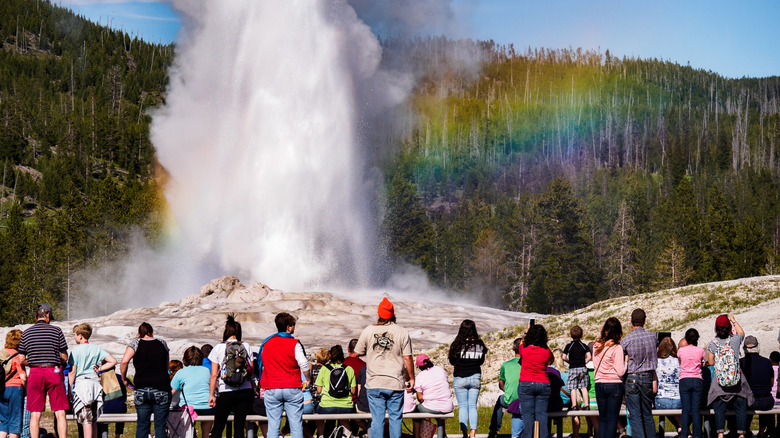
Yellowstone National Park is number one for a reason. Not only is it the very first national park, being established in 1872, but it is the first in many people's hearts because of its lakes, mountains, grasslands, woods, hot springs, and geysers like Old Faithful. Stretched across roughly 2.2 million acres in Idaho, Montana, and Wyoming, Yellowstone is never out of the popular limelight. In 2025 alone, it saw upwards of 4.7 million visitors, and this year it won the Travel & Leisure Best U.S. National Park award. While these crowds may dissuade some travelers, you can cleverly get around them by planning to visit in slower months like May or October.
Yosemite National Park
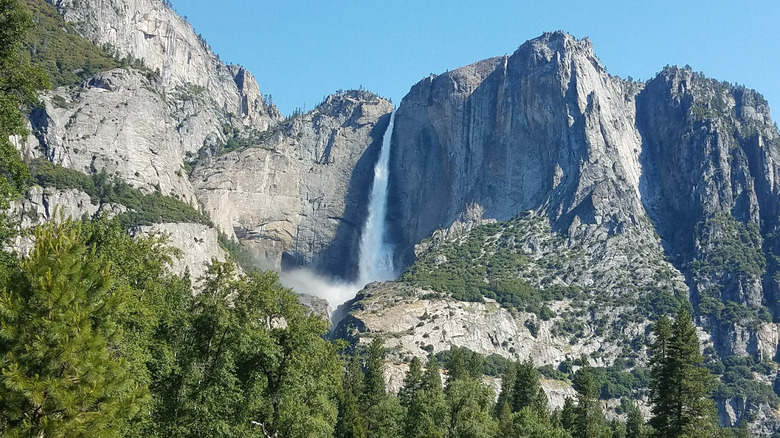
Naturalist John Muir got it right when he said: "No temple made by hands can compare to Yosemite." California's most visited national park (4.2 million in 2025), Yosemite stands out for its stunning granite outcroppings, the most famous of which is the iconic Half Dome. Other attractions include dramatic waterfalls like Vernal Fall, as well as plenty of hiking trails, fishing, and camping opportunities. Just visiting for the day? Try the Tunnel View overlook that will provide sweeping panoramas of the Yosemite Valley.
Great Smoky Mountains National Park
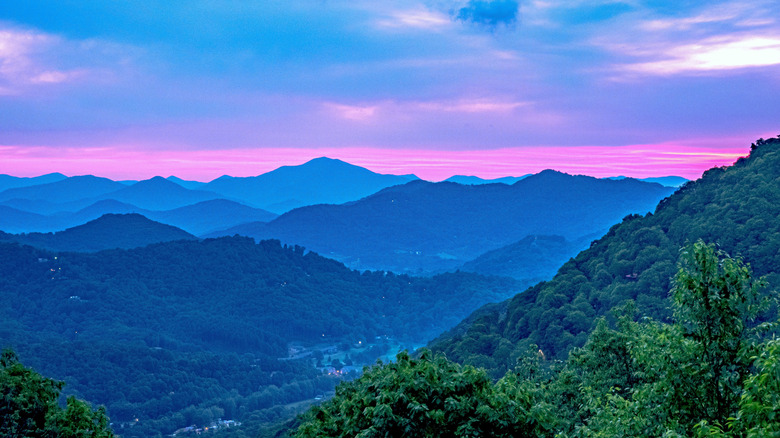
As far as numbers are concerned, Great Smoky Mountains National Park in North Carolina and Tennessee can probably be considered the most popular. In 2025, the park saw over 11 million visitors, more than any other national park. Between the abundant wildlife, dramatic mountainscapes, beautiful autumn foliage, and over 800 miles of hiking trails, it's easy to see why this is the most visited of all. It's also one of the best national parks to explore in the winter, when it will certainly be less busy than in peak season during summertime.
Kenai Fjords National Park
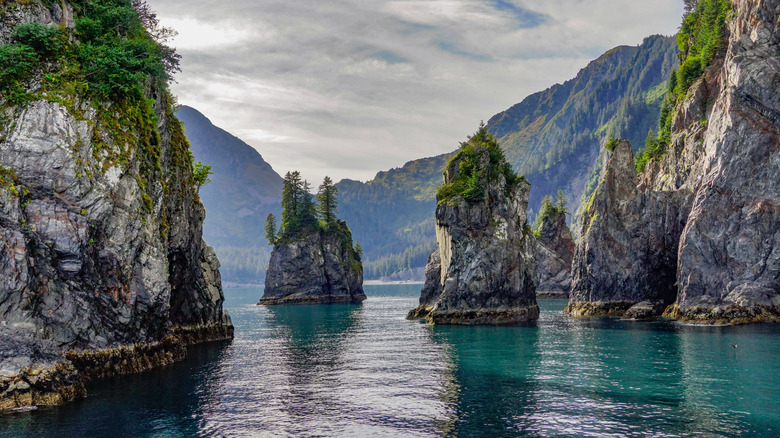
The fact that Kenai Fjords are not overly crowded might be one of the reasons the people that do go find it so appealing. If you're looking for an Alaskan experience that is different from Denali but gives you that same sense of remoteness and wonder, this is it. The 700-square-mile Harding Icefield is the primary attraction of this park. It's 23,000 years old, and its 40-plus glaciers can be viewed on hiking trails or by boat in one of the dramatic fjords. As for wildlife, there is an abundance of birds, bears, moose, and, if you're lucky, whales.
Acadia National Park
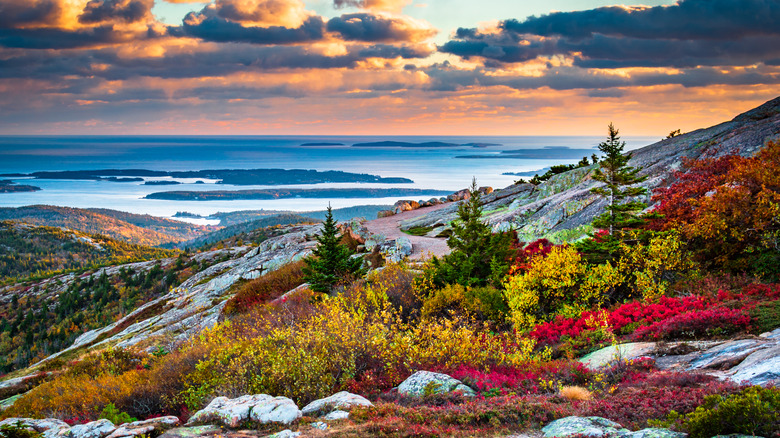
Chances are, when any nature lover thinks of the state of Maine, they are envisioning Acadia National Park. Whether it's the craggy coastline of Mount Desert Island, the quaint shops of Bar Harbor, the sunrise over Cadillac Mountain, or the miles of hiking and carriage trails, Acadia has something to offer each one of its 4 million-plus annual visitors. And with over 330 species of birds, Acadia is one of the absolute best national parks to visit if you love birdwatching. Types include the common loon, black-and-white warbler, chickadees, and even snowy owls.
Grand Canyon National Park
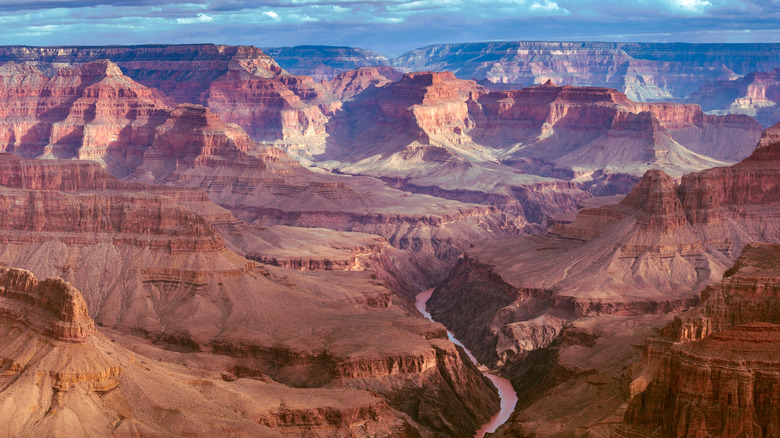
We think the name explains it all when it comes to this national park. Aside from being an absolute geological wonder, the Grand Canyon in Arizona has captured the imaginations of generations of tourists from all over the world. Grand Canyon National Park allows you to explore the canyon with numerous hiking trails, the ever-popular South Rim, and rafting along the snaking Colorado River. The 4.4 million annual visitors mean that the place can get crowded, though the stunning views of the canyon tend to make it all worth it.
Rocky Mountains National Park
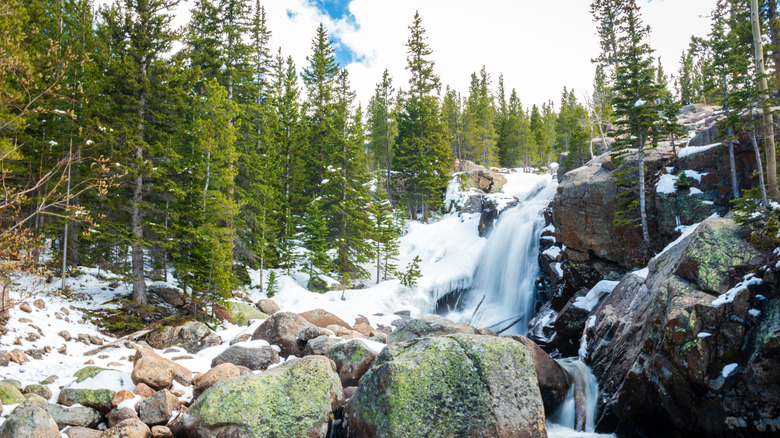
It can be argued that Rocky Mountain National Park's popularity can be partly chalked up to the fact that it is only 65 miles from Denver, and therefore highly accessible. Plus, you'll find mountain peaks that reach 8,700 to 14,000 feet, pristine lakes lined with pine trees, and over 350 miles worth of hiking trails. The Trail Ridge Road is a great option if you're not one for climbing, or are physically unable. It runs 48 miles between Estes Park and Grand Lake, Colorado, and leads to some truly spectacular views.
Olympic National Park

Spanning over 900,000 acres, Olympic National Park consists of 70 miles of coastline, lakes, beaches, mile after mile of hiking trails, snow-capped mountains, and is home to the Hoh Rainforest, an incredibly beautiful, almost otherworldly landscape. These numerous ecosystems make the park incredibly diverse, and offer a range of activities to go along with it. Canoeing, fishing, camping, backpacking, and viewing some of the wildlife species that call the park home are just a few reasons why the Pacific coastline park sees over 3 million visitors in a given year.
Haleakalā National Park

The Haleakalā volcano commands the majority of the landscape of Maui, the second largest island in the Hawaiian archipelago. Haleakalā National Park, though not nearly as visited as some of the others on this list, is nevertheless a stunning destination that combines volcanic landscape and rainforest into a truly unique Hawaiian experience. Another thing that makes this park truly its own is that it is home to some highly unique species of wildlife and flora that cannot be found anywhere else. Oh, and the sunrise atop Haleakalā is not to be missed.
Sequoia National Park
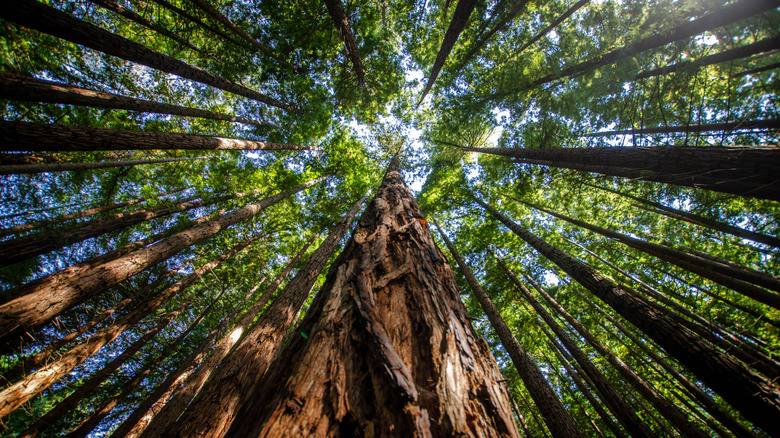
Though it is less visited than Yosemite, Sequoia National Park in northern California doesn't disappoint when it comes to natural splendor. Sequoia trees are the single largest tree species in the entire world, and the biggest by volume is General Sherman. This tree measures 275 feet tall and 36 feet in diameter at its base. Hiking through these woods is a mesmerizing experience, surrounded by trees that seem to reach endlessly into the sky. In addition to the trees, there are also plenty of meadows for horseback riding, and streams for catching the native fish.
Zion National Park

If you loved the cliffs and dramatic views of the Grand Canyon, then you should absolutely join the nearly 5 million yearly visitors to Zion National Park. Tucked into the desert of southwestern Utah, Zion is home to some truly awe-inspiring scenery, including massive sandstone cliffs, small canyons, rivers, and an abundance of unique desert plant life. Ranked the #2 National Park by AllTrails, Zion has literally dozens of trails to hike. You can also fish, camp, or simply gaze at the colors as the sun sets over the sandstone cliffs. The scenery alone makes it one national park you'll definitely want to be visiting.