

5 Long-Living Flowers That Can Bloom For Decades
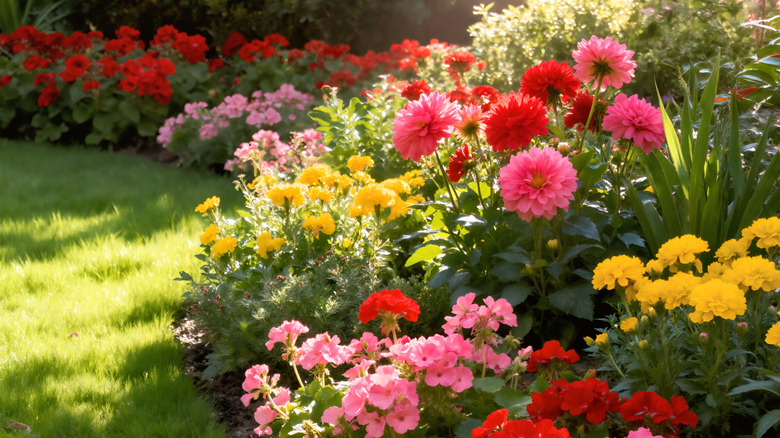
Gardening is considered to be one of the most rewarding outdoor hobbies, allowing you to look on at your blooming flowers with great pride. Though annuals need to be replanted at the start of each new season, some perennials can be planted once, and they'll never leave. The right species can bloom for decades on end under the proper care routines and growing conditions. This longevity is ideal for those looking to cultivate a resilient, aesthetic garden that remains relatively stable as the years keep on flying past. As perennial flowers mature, they develop stronger root systems and produce increasingly impressive displays, perfect for gardeners who appreciate lower-maintenance landscaping.
Of course, no flower is absolutely guaranteed to live for decades. Climate, soil quality, drainage, risk of disease, and routine maintenance all play important roles in determining how long a plant survives. To squeeze the most out of your perennials, you'll want to deadhead with a keen eye, divide overcrowded clumps when necessary, and plant species that are well suited to your specific USDA hardiness zone. All of those things being equal, some flowers, like bearded iris and hellebores, are renowned for their ability to return year after year for decades, offering truly remarkable staying power, even under tumultuous conditions.
Whether you're designing a cottage garden, creating a pollinator-friendly landscape, or simply looking for plants that won't need frequent replacing, choosing long-lived perennials is an excellent place to begin. From peonies to garden phlox and yarrow, these reliable bloomers offer colorful displays each season, becoming an enduring part of your garden's story. Plant them once, care for them well, and they may continue brightening your landscape long after many other flowers have come and gone.
Peonies
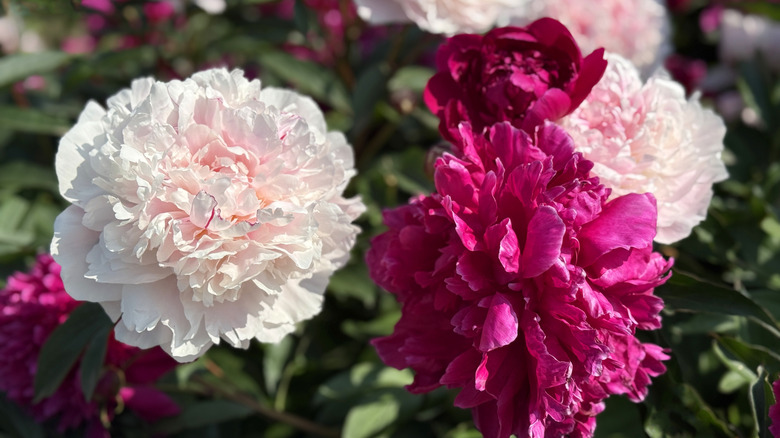
If you're looking into long-living garden flowers, peonies (Paeonia spp.) frequently top the list as the best of the best. These beloved perennials are famous not only for their large, fragrant blooms but also for their extraordinary longevity. It's not uncommon for a healthy peony plant to thrive for 50 years or more, and many gardeners proudly tend specimens that have continued blooming for over a century. In fact, peonies are often passed down through generations, like a family heirloom. The tree peonies in Taiyuan, China are more than 400 years old and still bloom.
One of the reasons peonies live so long is that they dislike being disturbed. Once established, their extensive root systems allow them to return each spring with little intervention. Unlike some perennials that require frequent dividing to stay vigorous, peonies can remain in the same location for decades without losing their ability to produce spectacular flowers. Maximizing the lifespan of these vibrant perennials involves planting them in fertile, well-draining soil in a spot with plenty of sun. The growth buds, or eyes, of peonies should sit 1-2 inches below the surface, allowing them to soak up much needed nutrients during their infancy. Planting too deep is one of the most common reasons peonies fail to bloom. They'll also adapt best in USDA Hardiness Zones 2-8, though you can squeeze them into Zone 9 if you give them a bit of shade.
Though peonies are relatively low maintenance, there are a few simple habits that can keep them in tip-top shape for decades. Water deeply during prolonged dry spells, remove spent flowers after blooms, and cut back foliage after it naturally dies in the fall. Also, avoid excessive fertilization, as too much nitrogen can encourage leafy growth at the expense of the flower bulbs.
Bearded Iris
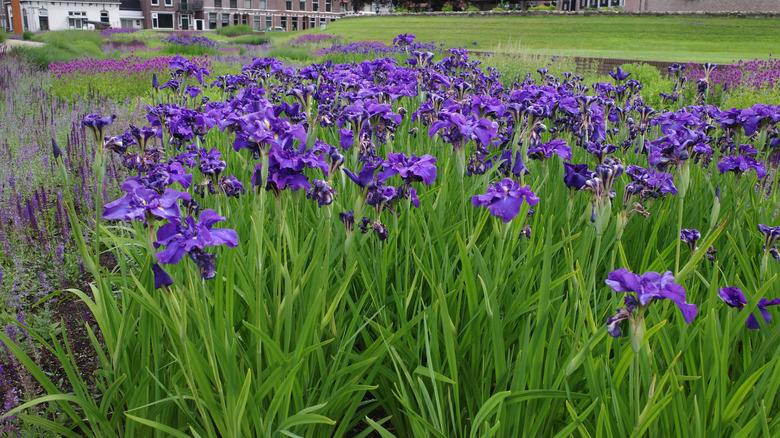
Much like peonies, the bearded iris (Iris x germanica) has been a staple of ornamental gardens for centuries. These gorgeous flowers are prized for their intricate blooms, sword-like foliage, and remarkable staying power. While an individual fan of leaves may only bloom for a limited time, a healthy iris plant can continue producing flowers for 20 years or even more. Many gardeners enjoy them for generations, particularly when they receive the proper maintenance and care. The easily grown rhizomes can continue a single plant's legacy seemingly indefinitely.
Unlike peonies, bearded irises actually benefit from being divided every few years, and transplant easily. Over time, the underground rhizomes multiply, creating dense clumps that can become crowded. As competition for space and nutrients increases, flowering often declines. Dividing and replanting the healthiest rhizomes every three to five years rejuvenates the parent plant, encouraging better blooms.
Bearded irises thrive in full sun and require well-draining soil, as constantly wet conditions can lead to rhizome rot, one of the plant's greatest threats. When planting, the tops of the rhizomes should remain at or just above the soil surface instead of being buried deeply. Good air circulation around the plants also helps reduce the risk of fungal disease. These thrive best in USDA Hardiness Zones 3 through 9, though some gardeners have had luck planting them in Zone 10, under ideal conditions.
Routine maintenance for bearded iris plants is fairly straightforward as well. Simply deadhead throughout the season, trim back damaged leaves, and deep watering during periods of drought. Give them sunshine, excellent drainage, and the occasional division, and they can reward gardeners with reliable spring displays for decades to come.
Yarrow
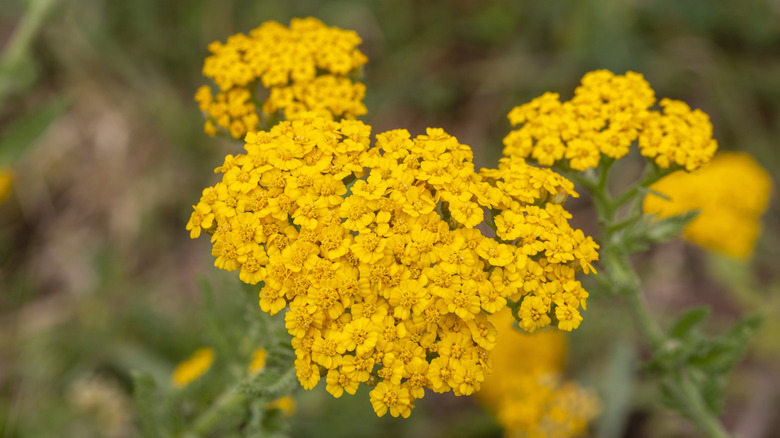
If you're seeking a flowering perennial that requires as little maintenance as humanly possible, the yarrow (Achillea millefolium) is hard to beat. Known for their fern-like foliage and broad, flat clusters of tiny vibrant blooms, this hardy plant generally lives for 10 years, but the way it quickly spreads via self-seeding and underground rhizomes, it can remain, flowering, in your garden for 20 to 30 years or more. Its resilience, drought tolerance, and long flowering season have made it a favorite among gardeners with busy schedules. Yarrow's greatest strength is its adaptability. Once established, it can tolerate heat, dry conditions, and poor soils better than most perennials. This toughness makes it an excellent choice for water-wise landscapes, pollinator gardens, and areas where other flowers might struggle. You'll have the best luck planting yarrow in USDA Hardiness Zones 3-9.
In terms of longevity, yarrow's long-lasting blooms are another major advantage. Depending on the variety, yarrow flowers can appear in shades of white, yellow, pink, red, orange, or peach, often blooming from late spring through much of the summer. These beautiful flower heads can attract helpful pollinators such as bees and butterflies, while the aromatic foliage is generally less appealing to deer and rabbits than many other garden plants. Yarrow is even known to repel mosquitoes, due to the presence of chemicals like camphor and eucalyptol.
For best results, plant yarrow in a location that receives at least six hours of direct sunlight each day, and avoid overwatering once the plant is established. From there, all it takes is some clump dividing every 3-5 years and a bit of deadheading and you'll look like the home gardener of the year.
Hellebores
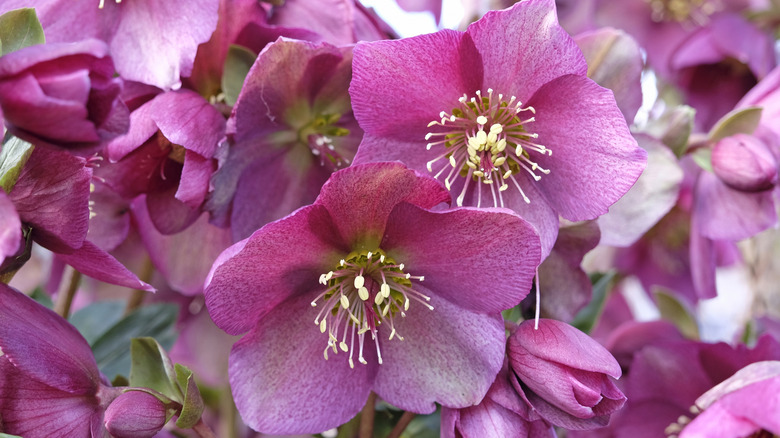
Hellebores (Helleborus spp.), often called Lenten roses, are among the longest-lived flowering perennials a gardener can grow. Best known for their elegant, nodding blooms that appear in late winter or early spring, these shade-loving plants can thrive for 30 to 40 years or more when planted in favorable conditions. It should be pointed out that it's the stemless acaulescent species that live so long. Caulescent species, with distinctive stems, only make it a few years. Their longevity, combined with their ability to bloom when little else is flowering, has made them a favorite for woodland gardens and shaded landscapes.
Unlike many spring bloomers, hellebores are evergreen or semi-evergreen in many climates, providing year-round interest with their leathery foliage. They fare best in USDA Zones 4 through 9, though Zones 5 through 8 are preferred. They're especially adept in partial to full shade. Hellebores require rich, well-draining soils that retain consistent moisture without becoming waterlogged, and thrive best in the presence of fresh compost or organic mulch at the start of each planting season.
Hellebores rarely require frequent dividing, and often perform best when left undisturbed. Their flowers also have impressive staying power, often remaining attractive for several weeks before gradually fading into decorative seed heads. Available in shades of white, cream, pink, burgundy, purple, green, and more, hellebores offer a vibrant color palette for gardens of all aesthetics. With minimal care and the right growing conditions, they can return year after year, providing welcome color at a time when most of the garden is still waking up from winter.
Garden Phlox
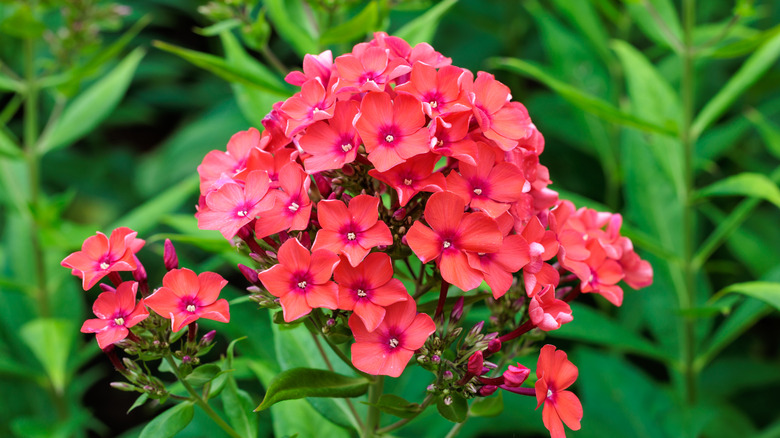
Rounding out our list of long-lived flowers, we've got garden phlox (Phlox paniculata), which is often lovingly referred to as perennial phlox. As its nickname suggests, garden phlox is a summertime favorite with a penchant for returning year after year. When it receives proper care and ideal conditions, it can continue to bloom for decades on end. Phlox is celebrated for its large clusters of fragrant flowers and its ability to attract butterflies, hummingbirds, and other pollinators. This plant's dependable performance and long-flowering season have made it a mainstay in ornamental gardens for generations.
Garden phlox offers an impressive floral display, blooming from mid- to late summer, and producing colorful flower heads in shades of white, pink, lavender, purple, and red. Since they flower later in the season than some other spring perennials, phlox helps keep gardens vibrant long after the early bloomers have faded. Caring for your own garden phlox involves planting in full sun, though a bit of afternoon shade is welcome in particularly hot climates. Drop a few seeds in some rich, well-draining soil with consistent moisture — preferably in USDA Zones 4-8 — and avoid overcrowding by giving each plant enough room to mature.
Like many of the long-living flowers mentioned above, garden phlox requires minimal upkeep, especially compared to the years you can get out of it. Be sure to water deeply during dry spells, and apply a layer of compost each spring to replenish soil nutrients. Mulching in hot summers will help keep roots cool. Pruning these perennials in the fall can encourage additional blooms on some varieties while also keeping your plants tidy. Cutting stems back can help prepare it for healthy regrowth the following year.