

Goodbye Traditional Hiking Boots: This Comfortable Sneaker Is Taking Over

For years, hiking boots have been the gold standard for activities along the trail. With a great pair of hiking boots, you're equipped to handle even the roughest terrain. Still, hiking boots can sometimes be too heavy and stiff, weighing down light packers and long-distance runners. In recent years, many hikers have made the pivot to an increasingly popular style of footwear: trail runners. Trail runners are ultra-light sneakers generally designed with off-road running in mind, providing a flexible build with plenty of grip and durability for rocky paths, dirt trails, and muddy conditions. According to market research firm Grand View Research, in the U.S. trail runnings shoes were $2.31 billion industry in 2023 and are expected to see continuing 7.2% compound annual growth rate through at least 2030.
One of the key differences between trail runners and hiking boots is weight. Even a lightweight pair of hiking boots can run about 3 ½ pounds. Trail runners, conversely, are built light enough (often well under a pound) to help reduce fatigue and allow for more natural long-distance movement. In addition the flexible, breathable, and often waterproof materials used in these shoes help keep your feet cool and dry.
Needless to say, trail runners are popular with a specific type of very active outdoor aficionado, but lately, their popularity has extended to casual hikers. Still, their rise has not made hiking boots obsolete, since many hikers still prefer the support and strength of the classic boot. As more outdoor enthusiasts take to bucket list-worthy national parks, mountains, and trails around the world, it's important to weigh your options and work out which kind of sneaker makes the most sense to suit your needs.
What to consider before switching to trail runners
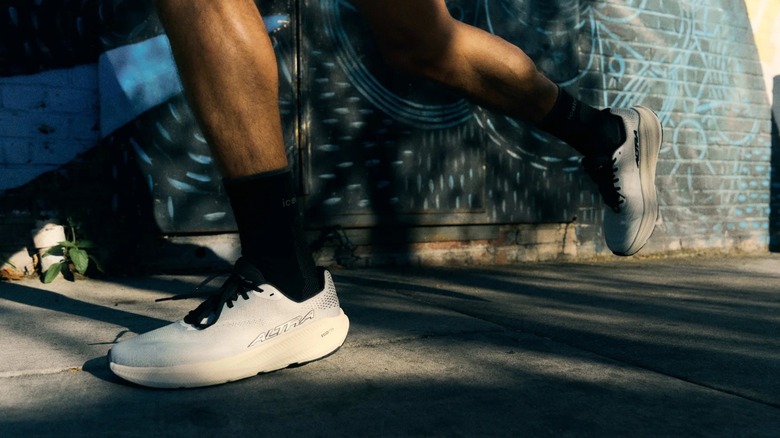
The growing popularity of trail runners generally comes down to comfort. Many hikers appreciate how lightweight and flexible these shoes feel compared to traditional hiking boots. Less weight on your feet can translate to less fatigue over long distances, which is a key reason that trail runners have become especially popular among thru-hikers and other people covering serious mileage on the Appalachian Trail and Pacific Crest Trail. Trail runners also tend to require little to no break-in period, and are usually ready to hit the road fresh out of the box.
Traction has improved significantly in modern trail runner as well. Many models feature aggressive tread patterns and grippy rubber soles designed specifically to handle loose dirt, rocks, and other difficult terrain. Many hikers argue the traction offered by trail runners — along with breathable, rapid-drying uppers — is far superior for crossing streams and falls. Some also highlight the increased flexibility and ground feel of trail runners, which can make navigating technical landscapes feel easier.
Still, trail runners aren't perfect for every situation. One of the biggest trade-offs is durability. Since they're lighter and made with thinner materials, trail runners often wear out faster than sturdy hiking boots. Where quality hiking boots can a thousand miles or more (replacing worn soles as needed), trail runners are good for about 500 miles. That means four pairs when you're tallying the cost of thru-hiking the Appalachian Trail. They also provide less ankle support, which may be a concern for hikers carrying heavy backpacks or tents. While many trail runners are advertised to dry quickly after getting wet, they're generally not as waterproof overall as traditional boots, unless specifically designed with waterproof membranes (which add weight to the shoe). In cold conditions or a particularly wet hike, that can make or break your entire experience.
Picking the trail runners that are right for you
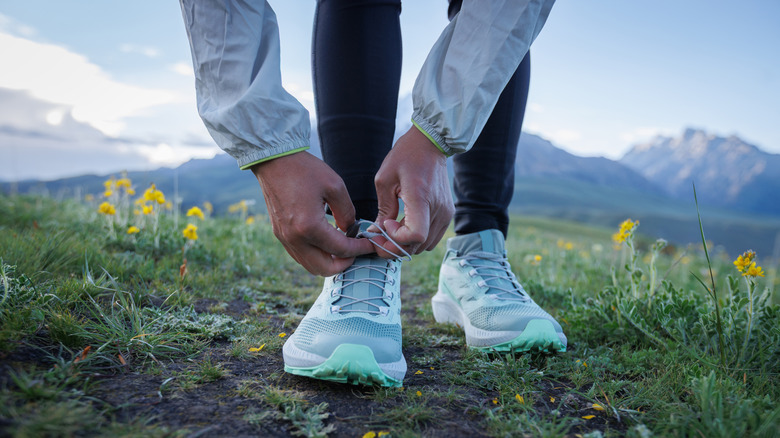
One reason trail runners have exploded in popularity is the sheer variety available. Today's models range from barely-there ultralight shoes built for speed to heavily cushioned options designed for long-distance comfort. Choosing the best trail running shoe often comes down to the terrain you hike most and how much support you personally prefer.
Ultralight trail runners such as the Catamount Agil model from Brooks (15.4 ounces) are popular among fast hikers and runners on technical trails, along with minimalist backpackers. These shoes prioritize low weight, flexibility, and breathability. Alternatively, there are options such as the La Sportiva Prodigio Pro (17.8 ounces), designed with more cushioning and thicker midsoles. They still offer a lighter alternative to hiking boots, but they're also designed to absorb impact and reduce foot fatigue during high-mileage or high-elevation trips.
With so many categories now available, trail runners have evolved far beyond simple running shoes. Whether you prioritize speed, cushioning, protection, or versatility, there's likely a trail runner designed to match the way you hike. Plus, they're so lightweight you should have no problem packing a spare pair, and swapping into them if and when your old-school hiking boots start to lose their luster.