

The Best Time Of Year For Mountain Biking
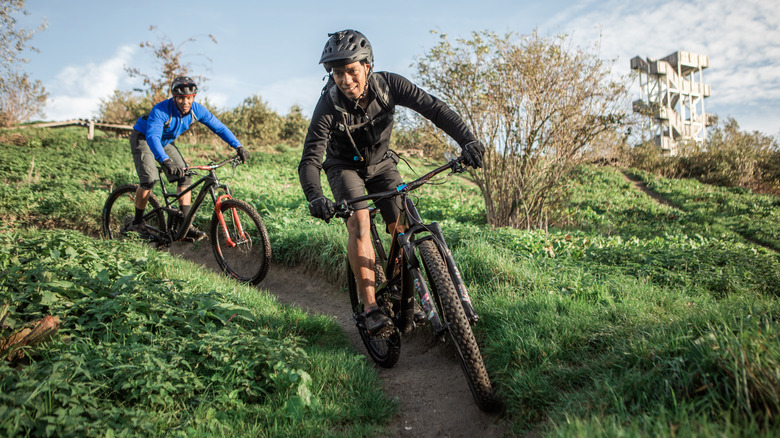
Spring fever can bring on a strong urge to stow the snow gear and switch to mountain biking. But March is a tricky month for trails, depending on the region and elevation. In many areas, the best time of year for mountain biking is late April through October. But open trails and optimal conditions depend heavily on what kind of winter the area had, and how wet spring is in a given year. Drier, desert climates and the southern regions of the U.S. will be ready earlier, or even year-round trails. In fact, winter might be the best time of year in some of the hottest parts of the country.
The weather makes those first rides unpredictable. Lingering snow and heavy rain delay trail openings well into late spring and early summer. For example, northern bike parks like Whistler Blackcomb in British Columbia, Canada, kick off mid-May and run to mid-October. On the East Coast, Highland Bike Park in Northfield, NH, is opens from late April through early November. Check local bike trail associations, bike shops, or the Trailforks app to find out which trails are open. Better yet, volunteer for your local trail association: Then you'll be the first to know when local trails are ready to rip.
Waiting until late spring is often best, because you are less likely to damage trails as the ice melts. Bike trail associations often ask that riders not bike on wet trails and In some states, state and county parks close their trails for a few days following heavy rains. Riding over saturated dirt creates ruts and holes, and loosens rocks and logs. Since many trails are maintained by small crews or volunteers, riding wet trails adds extra work for them. Essentially, if you're leaving deep tire tracks in the mud, you shouldn't be riding.
Where to bike in the summer and fall (and even winter)
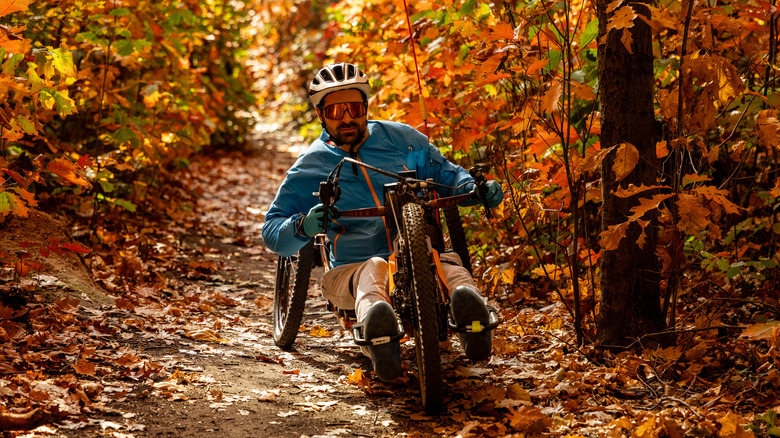
Summer can be a great time for mountain biking on some of America's most scenic bike trails, but timing is essential to avoid hot, dusty trails. Dusty trails are an uncomfortable part of summer mountain biking and can create loose, rocky dirt and fast, unstable turns. Plan rides with shaded trails and gradually go for higher elevation trails into the height of summer. Also, time rides to get the most out of morning dew, or a light summer rain to help keep the dust down. If you go out on a peak-summer ride, bring plenty of water and wear eye protection to protect against hot, dusty conditions.
Fall is another fantastic time for mountain biking. Cooler temps and light rain help keep the dust down, and trails are certainly clear of hazards compared to spring (they can also be less crowded than in summer). However, trails can get pretty rutted and bumpy after a whole spring and summer of riders using the trail and braking on it. We aren't saying don't use your brakes, of course. But for a smoother fall ride, find more remote trails or less popular, longer rides now that you're in peak riding shape.
Finally don't write off winter everywhere: You'll find year-round riding opportunities in dry desert climates like southern Utah and temperate areas like southern California up to about 4,000 ft. The best thing to do is to call or visit the local bike shop in the area and chat with the staff. They'll get you rolling in the right direction. Finally, long distance gravel and paved cycling tours are a great option when single-track isn't in season yet.