

How To DIY Mulch For Your Garden With The Help Of Green Tea Leaves
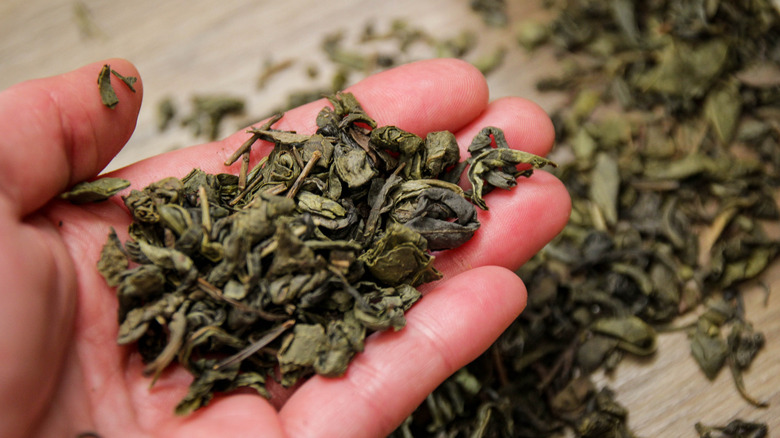
The purpose of mulching your garden is to provide it with a protective barrier that helps regulate temperatures, retain moisture, suppress weeds, and even provide nutrients for the soil over time as things break down. If you're a fan of green teas, you might want to consider making your own DIY mulch using the spent green tea leaves.
Green tea can be an effective mulch in its own right. It's full of the beneficial nitrogen (with an approximate NPK ratio of 4.5-.6-.5) that will encourage soil health. Being an organic material, green tea leaves also encourage microbes that will help break it down into compost and continue feeding the soil for a long time to come. Plus, using the tea leaves helps reduce waste (unless you're already composting them). Avoid mulching or composting any teabags, however, as even natural teabags often have some plastic in them.
Making your own green tea mulch is a simple affair. Collect your used green tea leaves, spread them out on a surface, and allow them to partially dry (do this sooner rather than later, to avoid mold or mildew). Spread them in a thin layer over the soil at the base of your plant (or mix into the soil), and water. What this does is mimic a type of homemade liquid fertilizer, extracting the nutrients from the tea leaves, allowing them to leach into the soil while the leaves themselves decompose.
What to know about green tea as mulch
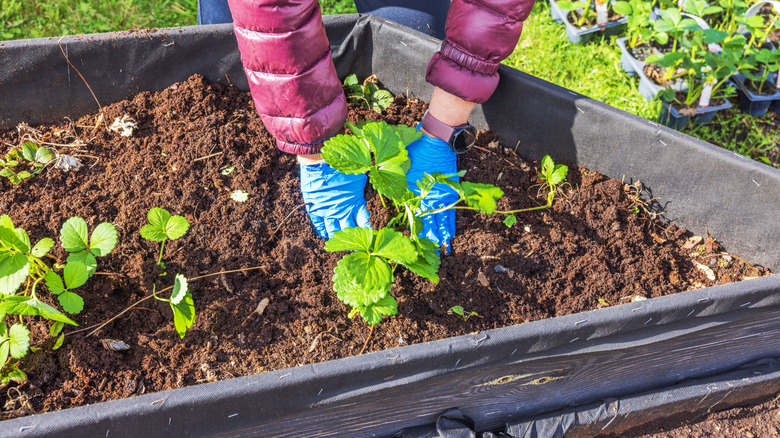
This technique works best in confined spaces with limited soil, like potted plants and container gardens. Each time you have a new batch of used tea leaves, refresh your mulch by layering them around your plants or mix into the top inch or so of soil. Keep an inch or two collar around the roots uncovered, so they can breathe, and avoid thick layers of tea leaves that can mat when wet, preventing air and water from penetrating the soil. You can also mix green tea leaves in with gardening soil or other forms of mulch.
Used green tea leaves are slightly acidic, with a pH of between 4.9 and 5.5, but they are less acidic than spent coffee grounds, another common mulch or compost ingredient. While there are plenty of sources that insist both tea and coffee will impact the pH of your soil, the scientific evidence is that this is not the case, and is something of a gardening myth. However, if you're concerned about soil conditions, you could work off the same list of plants that love coffee grounds. Acid-loving plants include strawberries, roses, and holly. Those with more alkaline soil requirements, such as lavender, rosemary, and various types of vegetables like cabbage, may be best avoided. Additionally, you don't want to add this kind of moist mulch to arid environment plants like succulents and cacti. The moisture could cause root rot and kill the plants (sandy soil may also be more dramatically impacted by the added acidity).