

Is Your Snow-Covered Roof At Risk Of Collapse? Here Are Signs To Look Out For
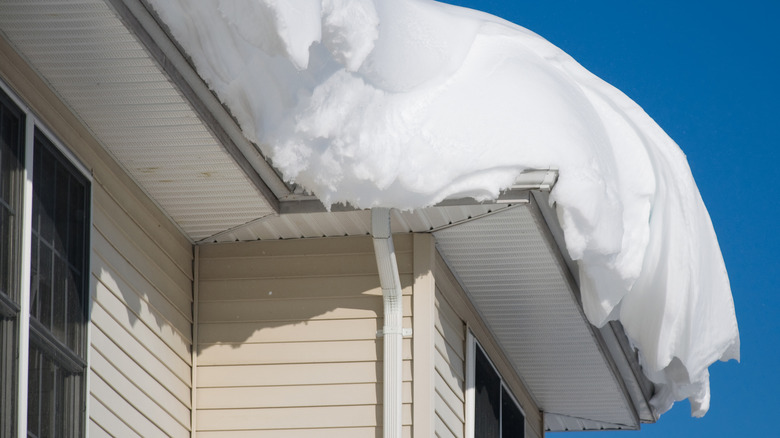
A snow-covered landscape may be a thing of beauty, but when that snow keeps piling up on your roof, it could be dangerous as well. The deeper the snow, the more weight it adds to your roof, especially when the snow is wet. In extreme cases, it could even cause a roof collapse. However, there are some warning signs that your roof is giving in to all the pressure. If you notice unusual sagging of the roof or ceilings, hear new creaking or popping noises, or discover a leak that seems to be coming from the roof rather than from the plumbing, your roof may be at risk. New cracks in the wall could also be a sign of an impending problem.
A foot of wet snow can weigh as much as 21 pounds per square foot of surface area, while the same amount of light, fluffy snow weighs considerably less at only 3 pounds. If you have more than 2 feet of snow on your roof, even if you think the structure is strong, you should try to remove some of that weight. A roof rake makes it easy to clear snow from the roof while you stay safely positioned on the ground. Keeping your roof relatively free from snow is the best way to prevent collapse.
Looking for snow-based roof problems
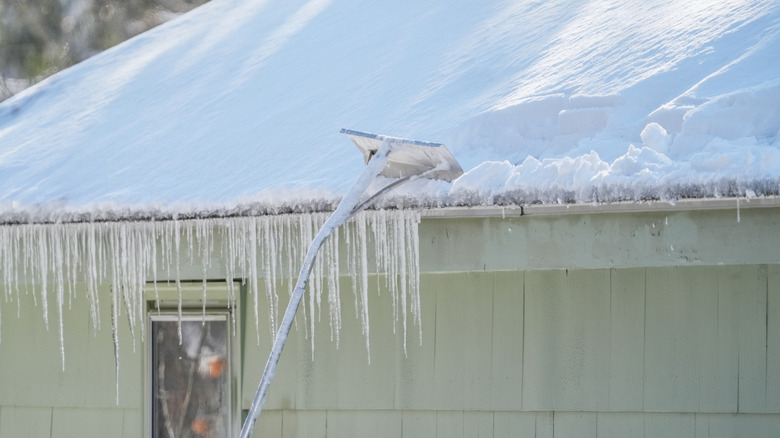
To make sure your roof is holding up under the snow's pressure, check your attic for leaks in the ceiling or examine anywhere overhead if you have an unfinished attic. A leak may show up as a damp or discolored area on exposed insulation. If you spot a leak, have your roof inspected once it's cleared to prevent the situation from getting worse. If you've heard creaking, popping sounds or other unusual noises, the snow could be impacting your roof. The same holds true for new cracks or sagging of beams or the ceilings in your home.
After the snow stops and your roof is visible again, it's important to look for external signs of sagging or damage if you've seen (or heard) anything unusual inside your home. Check to see if there are areas of drooping or dislodged gutters. Misaligned eaves are also an indication that your roof could be at risk. Even if you don't spot any visual cues but you've heard concerning noises coming from beams and rafters, you should hire an inspector to assess your roof's condition.
Remember that prevention is key and with winter weather already here, you should prepare your roof for heavy snow. Inspecting it before those piles of snow arrive could at least give you clues that your roof isn't in its best shape. And if the snow is already piling up, clear it off to lessen the stress. If you can't reach or don't have the proper tools, a long rope comes in handy for removing snow from a sloped roof.