

Emergency Plumbing: What To Do When Outdoor Pipes Freeze
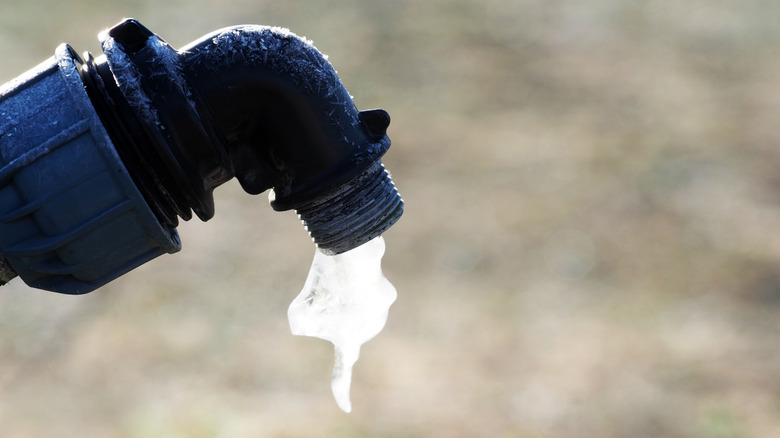
With ice and snow piling up across the U.S., it's important to know how to keep your home safe. You may already be on top of protecting your plants from snow damage, but what about your pipes? If you have any outdoor, unexposed pipes for a beautiful DIY water fountain, a simple garden hose, or an above-ground waterline, they can freeze when the temperature drops. This is also true of exposed pipes in crawlspaces and unheated garages. This could cause minor problems — temporarily stopping the flow of water — or major issues if the pipes burst. Preparing your faucets and pipes for winter weather in advance is the best solution. But if they are already frozen, there are a few steps you can take to minimize the damage.
The first thing to do is turn off the water at the pipe's source. This prevents more water from flowing into the pipe, which could increase the risk of a burst pipe as ice and pressure continue to build. Additionally, if a pipe bursts and the water is still on when it thaws, you could have major flooding to clean up. There should be a main shutoff valve in or near your home if you can close off a specific. It should be located either near your main water line or your home's water meter. It's a good idea to get to know your pipes well before the weather turns, so you know what to expect going forward. While you're at it, look for signs of damage or leaks, as these will need additional repairs.
Thawing your pipes
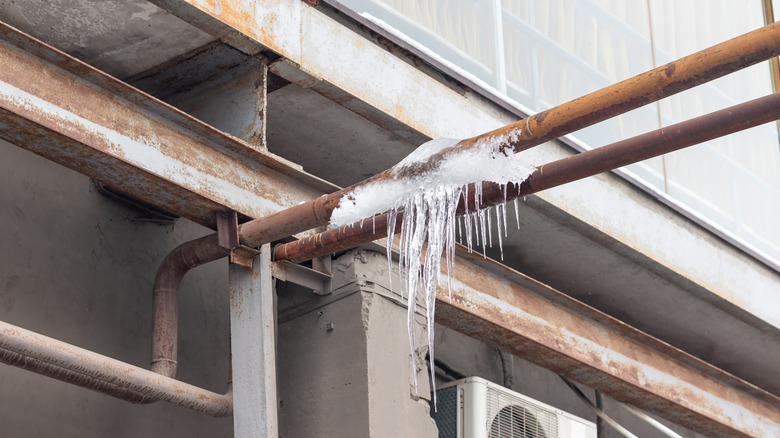
Once your water is completely off, inspect pipes and faucets for damage while they're still frozen. If you see significant cracks or damage, call a plumber: Frozen water isn't going anywhere, but once it thaws, you could be in trouble.
If all is clear, you can start thawing pipes. Turn on any faucets or spigots connected to a pipe so thawing ice (and any standing water that didn't freeze) has somewhere to go, then slowly warm the pipe from the outside. If the pipe is connected to a water hose, disconnect the host. Avoid using heating methods that will heat a pipe too quickly, such as open fire or a blow torch, as this can cause additional damage to your pipes and may be dangerous. Instead, opt for a slower method such as a hairdryer, heating blanket, hot water, or a space heater. Try to concentrate the heat on frozen sections if you can locate them. As the ice melts, you should begin to see water flowing from the faucet or spigot.
If you can't find where the pipe is frozen, can't reach it, or aren't seeing any water coming from the tap, you may need to call in professional help. Plumbers have access to special equipment such as thaw machines that are more effective at safely thawing pipes. It may be frustrating if you're the type of person who loves taking care of things yourself, but consider the cost: Thawing a frozen pipe may range from $45 to $200, depending on the plumber. But a burst pipe can be much more expensive, ranging up to $3,000, not to mention any water damage to buildings, your lawn, or garden.
What to do if a pipe has burst
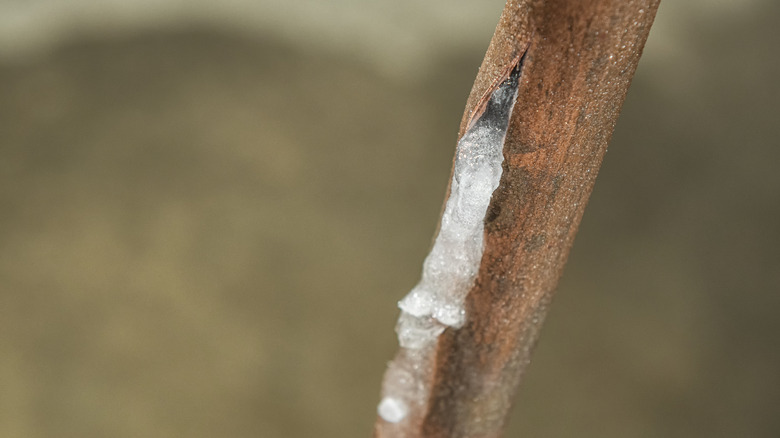
The good news is that the first part of the process starts the same. Turn off your water immediately, turn on the faucet or spigot, and inspect the damage. If the break is noticeable, it's better to contact a plumber right away for assistance. They may recommend thawing the area to drain any water sitting in the pipe and prevent further damage or another course of action, depending on the severity and location of the break.
If the damage is small enough that it wasn't noticeable until you began thawing the pipe and spotted water leaking out of it, you may be in better luck. You should still contact a plumber for professional advice, but you may be able to temporarily patch the pipe yourself. Silicone or plastic sealing tape and epoxy putty can be used to seal small gaps or cracks, but keep in mind that it will still need professional attention. After all, if the pipe refreezes, the damaged section will be weaker and more prone to significant damage. Temporary fixes are easy to DIY, but a larger repair is an outdoor project requiring professionals.
In addition to repairing the pipe itself, you should inspect the area for other damage caused by ice or leaking water. With outdoor pipes, you may think there's nothing to worry about, but a damaged pipe near any structures could mean there's water damage, as could ongoing flooding in your yard or garden.