

Repair Or Replace: Which Is The Best Option For Fixing Roof Damage
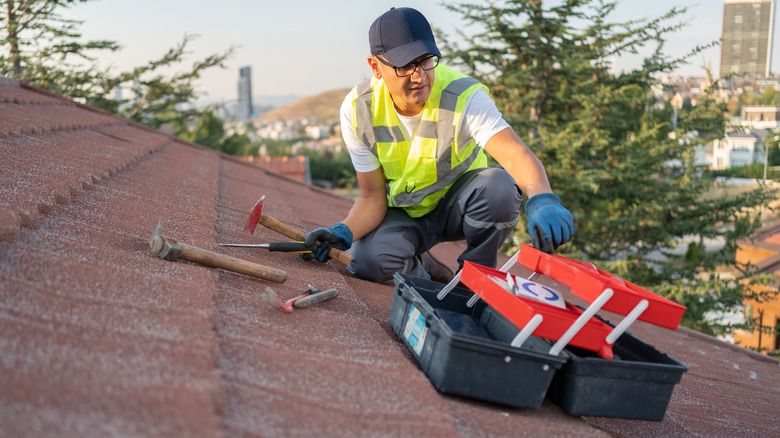
Nothing lasts forever, and no matter how well-constructed and maintained your roof is, it will eventually need some work. Sometimes it's easy to tell what needs to be done, like if your neighbor's tree falls into your yard and onto the roof. Other times, the fix isn't so clear cut. Of course, you can and should consult a professional before doing many outdoor renovations, but it's often helpful to know what sort of services you'll need before you start scheduling your consultations.
Both repairs and replacement have their uses, but which option is best for you will depend on a few factors. The severity of the damage is a major factor, particularly if the damage is widespread or structural. This impacts both the amount of work needed to get the job done, as well as the cost. Your own priorities are another huge factor. Is there a specific short-term budget you need to keep to, or do you have more flexibility? Do you need your roof to be in working order as quickly as possible, or do you have time to plan more carefully and make choices about aesthetics and materials (for example, if you're ready to protect your roof from hail damage)? Do you mind that a patch might not match the rest of your older roof, or is that a deal breaker? Keeping these things in mind will help you determine which option is a better fit for you.
When to repair your roof
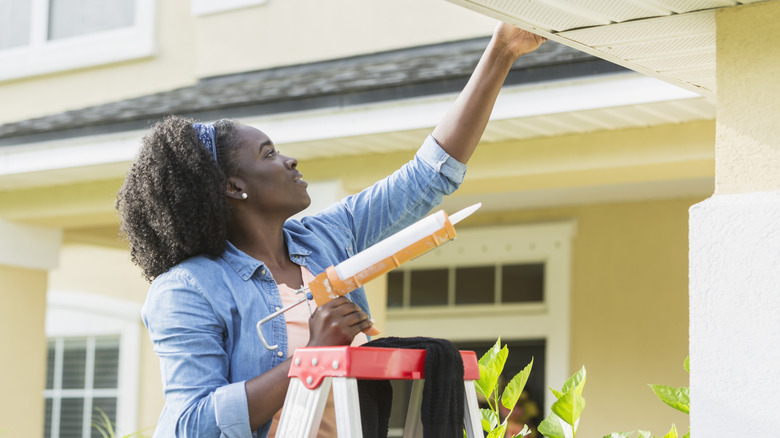
Repairs are perfect if the damage is minor. A few missing shingles or a single leak can be fixed relatively quickly and easily. Small to medium repairs are also typically much more affordable than replacing the entire roof. If the repair work is done on the outside of the roof, such as replacing shingles, it's worth noting that it may be difficult to match the color of older, weathered shingles (though a pro can usually get close). If your primary goal is stopping a leak or reinforcing a weak spot, that may not matter much. But if your focus is on aesthetics, you'll want to take this fact into consideration.
Repairs are also a better option if you're on a time crunch. For example, if hurricane season is approaching and you're concerned about a leak getting worse, a repair that can be done quickly will be more effective than a total roof replacement. Likewise, if you're looking to sell soon, and damage is minor, repairs will be faster and cheaper than replacements. Under ideal circumstances, a roof replacement only takes one to two days, but if the roofing company is busy, or the weather is seasonally bad, it can take much longer. In some cases, you may be able to do a simple repair yourself. But be careful and use best safety practices: A fall from a ladder or roof can make the whole thing a lot more expensive. In fact, 150,000 Americans injure themselves on ladders and roofs each year, according to the CDC. You'll also want to ensure that any repairs you do on your own meet the standards and rules of your homeowner's insurance, or you risk running into trouble there.
How to know if replacing your roof is a better choice
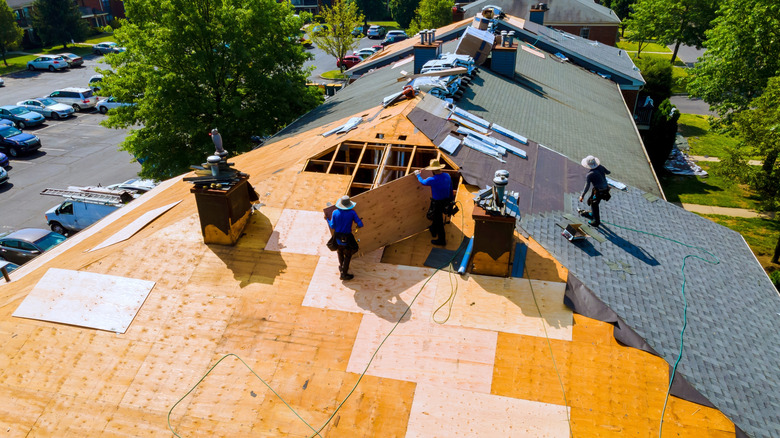
In contrast, a total roof replacement is the better choice if there is severe or widespread damage, such as large holes, buckling, or extensive water damage and mold. Older roofs, say 25 or 30 years or more, are prime candidates for replacement. Over time, even a well-maintained roof can weaken, leading to more frequent repairs. This is especially true in areas prone to stormy weather or high winds, where your roof is under more regular stress. Even if each individual repair is less expensive than replacing the roof, the cost of frequent repairs adds up to the point that a total replacement might be half the cost of all the repairs totaled!
There are other factors to consider. If you're in your forever home, or one you plan to spend a decade or more in, a roof replacement can make sense. Replacing your roof is also a good option if you have plenty of time to choose the right materials and want a specific, cohesive, or stylish look. Be aware that costs can rise and booking delays increase in the spring, when people are fixing roofs damaged by long, harsh winters, so if you have the time, plan accordingly to do the work in the off season.