

The Tree Chip And Joanna Gaines Love And Why You Should Plant It In Your Yard
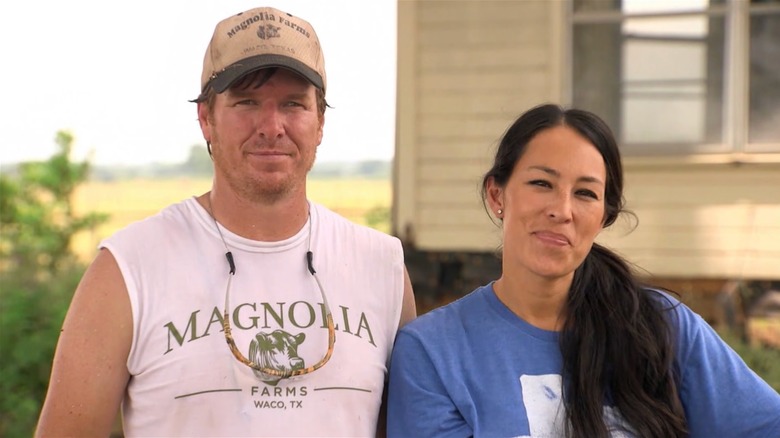
You've almost certainly heard of Chip and Joanna Gaines — the husband-and-wife home renovation duo with a sprawling lifestyle empire that encompasses television and media, real estate, home goods and more under their self-styled Magnolia brand. We here at Outdoor Guide love all things Chip and Joanna — from Joanna's top gardening tip and favorite low-maintenance flower to her clever uses for pea gravel. But even if you're a longtime fan, you may not be familiar with the sweet story behind the Gaines company's namesake.
It turns out, a magnolia tree featured prominently in one of the couple's early dating histories. During the final episode of "Fixer Upper," which aired for five seasons on HGTV, Chip shared with his children that on one of their first dates, he climbed a magnolia tree and picked a blossom to give to his future wife. The couple later named their first shop Magnolia, and from that humble beginning grew an incredibly successful multi-faceted business.
"We love magnolia trees. It really embodies our company. It's basically become our mascot," Chip told People back in 2018 during a sneak peek of the final episode. "So every project we do, we love to plant a magnolia gem."
Magnolias are symbols of the South — a region of the U.S. that's home to several native magnolia species. Mississippi even acquired its nickname, The Magnolia State, from this stunning tree. But you'll want to incorporate magnolias in your landscaping even if you aren't a southerner yourself, with many Magnolia species capable of growing in colder climates, too.
The benefits of having magnolia trees in your garden
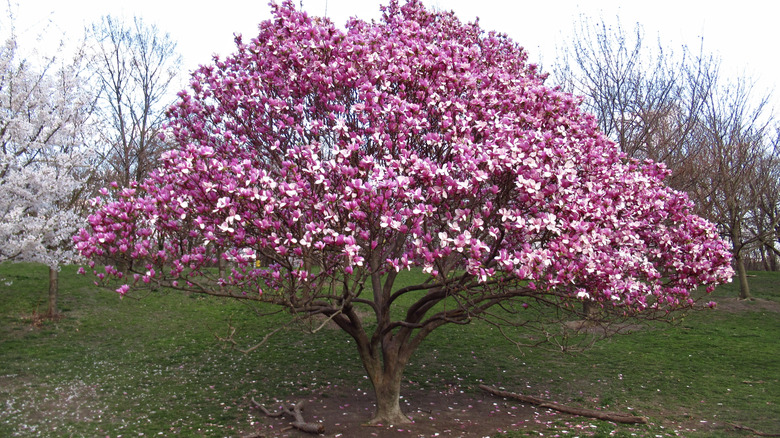
There are over 200 different varieties of magnolia trees or shrubs (Magnolia spp.), which are capable of growing anywhere from 15 to 80 feet high and 10 to 40 feet wide. (Chip's reference to "magnolia gem" may refer to "Little Gem" magnolias — a more compact version that grows about 20 feet tall in the first 20 years.) So you'll have a lot of options for size and density when it comes to choosing a magnolia that fits just right in your yard. But no matter which size you opt for, magnolias are considered incredibly sturdy and wind-resistant, making them a resilient and reliable addition to your landscaping.
Secondly, magnolia trees are simply beautiful to look at, producing very large pink or white flowers in the spring that give off a heavenly fragrance. Many magnolias also have big, waxy leaves with a lovely natural gleam, and some species even keep their leaves year-round — bringing handsome foliage to your yard even in the dark winter months. And although magnolias are primarily pollinated by flightless beetles, their lovely floral scent and the seed pods they drop after flowering can attract a plethora of other pollinators and wildlife, such as songbirds and bees.
Finally, magnolias are generally low-maintenance and relatively easy to care for. You'll want to give them plenty of water right after planting while roots are getting established, but they eventually become fairly drought-tolerant and can be watered about once a week, preferring well-drained soil over anything too moist. Magnolias can also thrive in partial shade, and need only the occasional pruning to remove dead or damaged growth and maintain shape.