

A Simple Soil Tip That'll Help Prevent Root Rot When Growing Tomatoes
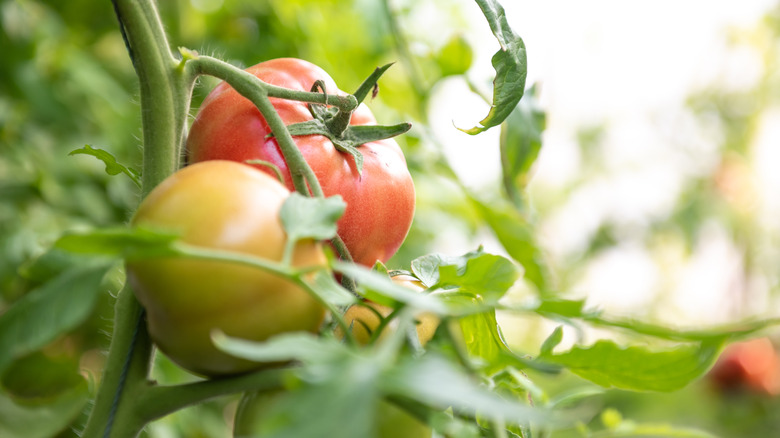
Root rot is generally caused by roots sitting in overly wet soil and can affect any plant, including ones grown outside or in a greenhouse, like tomatoes. To prevent it, the most obvious solution is to make sure the soil your tomato plants sit in can dry out. You can do this by making sure to water your garden properly, but one of the easiest solutions is to add material that improves soil drainage.
There are a few ways to reduce the risk of overwatering, but one of the easiest is perlite. It is a type of porous volcanic glass that helps not only aerate the soil, but also hold onto liquid to slowly release it, extending the period before you have to water again. It looks a little like Styrofoam beads and is regularly found in potting soil mixes, but you can add it to your outdoor gardens for the same benefits.
Perlite stands out for its ability to both improve drainage and retain a small amount of moisture. It is also lightweight, making it easy to move around and not adding extra bulk or compaction to your soil. This makes it especially great for clay-heavy soils that are dense and need some aeration. It's long-lasting, non-toxic, and has a neutral pH, so it won't affect plant growth or require frequent replacement. You can use the perlite and the soil it is in for years to come without having to purchase more, as long as your plants remain healthy.
What you need to know about perlite in your garden
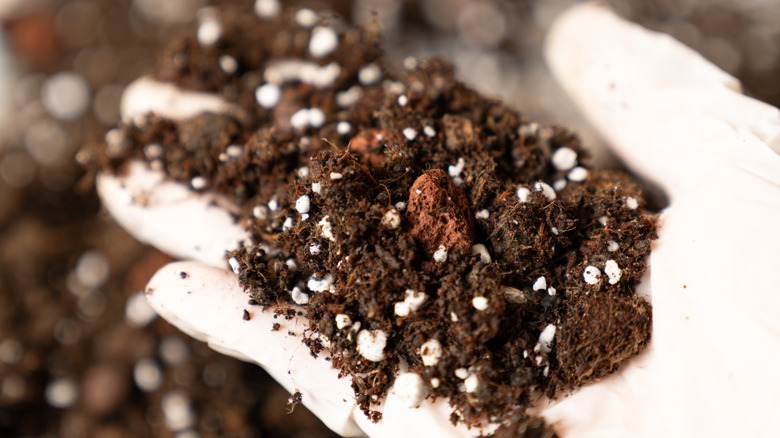
If you are going to use perlite, it's important to make sure you have the right ratio. Too little, and you won't get the benefits, while too much and your soil will dry out almost instantly. The key is finding the right balance for your plants. A 50-50 soil-to-perlite mix is rarely needed and should be reserved for plants that prefer extreme drainage, like succulents. For the average garden plant, you only need about 20% to 30% perlite to 70% or 80% soil. However, if you want to make sure you don't overdo it, you can always add perlite in small bits at a time until your tomato plants are looking happy and healthy.
Even if you don't plant your tomatoes directly into the soil, you can still reap the benefits. Perlite is also excellent for potted plants in greenhouses or seed starters, improving drainage and increasing the chance of germination. While tomatoes are one of the best plants to grow in your greenhouse, they still sometimes need a little help, which perlite can provide. In addition to benefiting your tomato plants, it is a great benefit to peppers, and can be used in a bed that holds both without any negative effects. Adding a small amount of perlite is a common way to help raised garden beds thrive, thanks to its excellent drainage properties.