

The Epsom Salt Seed Germination Hack That May Not Be Worth Your Time
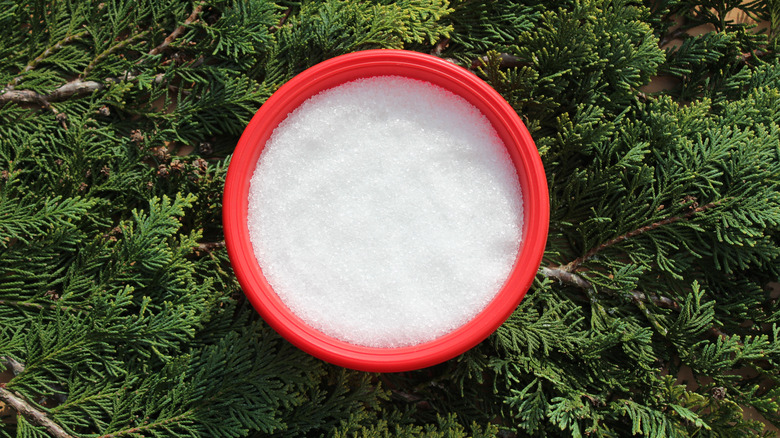
Epsom salt is used by many gardeners as a way to add magnesium to their soil or banish aphids from their garden, but is it useful for germinating seeds? Some people swear by it, while others have better success without it. The truth is that there isn't much scientific evidence to back up this life hack. Epsom salt is really only useful for your soil if it is deficient in magnesium, but even then, it doesn't address the root's issues long-term. If your soil already has plenty of magnesium, adding Epsom salt could actually harm your garden. That's because plants that are overloaded with magnesium have difficulty absorbing calcium, another important mineral for plant growth.
Additionally, seeds don't require magnesium to germinate. The only things your seeds actually need are water, air, the right temperature, and occasionally specific lighting conditions. That's why germinating seeds in damp paper towels is such a popular science experiment for children. While there are many popular seed germinating hacks, from using cornstarch to germinate seeds to growing seeds in eggshells, none of them are strictly necessary. While some may be helpful for seedlings, the seeds themselves contain all the nutrients they need to germinate and begin sprouting.
How to germinate your seeds properly
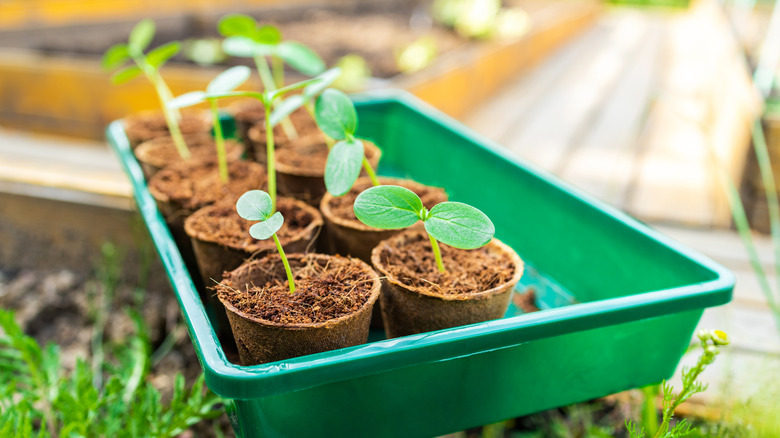
You don't need Epsom salt for your seeds; in fact, you don't need much. Many seed packets come with instructions for germinating and planting the seeds. If you collected the seeds yourself or lost the packet, then start by looking for information on the specific plant you're growing. Some plants need to have a cold period before they start germinating, called cold stratification, and different seeds have different lighting needs. Of course, some seeds are easier to germinate than others. Native wildflower seeds require little preparation to grow, making them a fantastic option for DIY seed bombs.
If your seeds need to be stratified, wrap them in a damp paper towel or coffee filters and place them in your refrigerator for one to three months. Check them regularly for signs of mold, which can occur if there's too much moisture on the seeds. When it's time to plant your seeds, it's helpful to prepare your soil first and place the seeds on top of the soil. Mist the seeds lightly with plain water, then cover them lightly. Avoid burying them too deeply, as seeds also need oxygen to germinate; the larger they are, the deeper they can go, so seeds for things like beans or squash can go about knuckle-deep. Ensure the seeds get light or, if indoors, are in a warm, humid place, and continue to mist them regularly. You should begin to see sprouts before long, no Epsom salt required!