

Snow Squall: What Is It And How To Stay Safe
We may receive a commission on purchases made from links.
Once winter arrives, most people living in snow-prone areas begin getting their home, yard, and vehicles ready for the frigid weather to come. From preparing outdoor plumbing for freezing weather to sprinkling salt and ice melt on sidewalks and driveways, it's is a good way to ensure you and your property make it safely and comfortably through the worst of winter weather. However, snow squalls present dangerous conditions that can catch even the best prepared snow veteran off-guard. That is because these unique, sometimes devastating, winter storms can appear and disappear quickly and often without warning.
By definition, snow squalls are relatively short, but extremely intense, weather systems impacting a fairly localized area. Snow squalls may form during a strong cold front. However, they can also happen with no severe winter weather in the forecast. So, unlike weather conditions that can be tracked for days or weeks — such as a polar vortex bringing severe cold weather or a nor'easter bouncing its way along the coast, those in the path of a snow squall may have little or no advance warning.
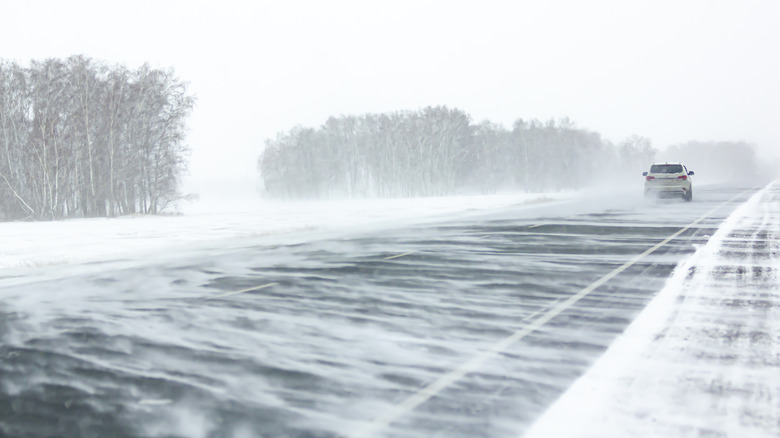
Despite their brevity, snow squalls can have devastating impacts. They often bring with them extremely strong wind gusts, heavy snow, plummeting temperatures, and a rapid reduction in visibility. While this description may seem like it's attributed to a blizzard, snow squalls are generally much more sudden and shorter than blizzards. The combination of short notice and severe weather make snow squalls particularly dangerous for those caught on roadways by these often unexpected storms. As a result, serious and even deadly accidents are unfortunately fairly common during snow squalls.
Tips for staying safe during a snow squall
Being on the road is pretty much a worst case scenario during a snow squall, so it's best to avoid traveling if at all possible when extreme weather is predicted. Although snow squalls can't always be forecast, keep in mind they are common in areas where lake effect snow occurs, like the Great Lakes region. So, taking extra safety measures when traveling in these areas during winter is a good idea.
Whether driving or out enjoying winter sports, you should always have Wireless Emergency Alerts enabled on your phone so you are notified when a snow squall warning is issued. If you get a warning, get off the road as soon as possible and wait 30 minutes to an hour or until the warning expires before resuming travel. If you can't exit right away, drive slowly and defensively with your headlights and hazard lights on, leaving plenty of room between you and other vehicles, until you can exit safely.
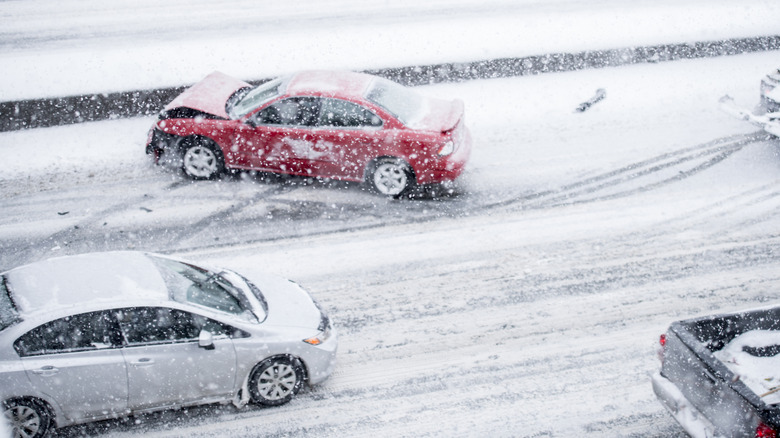
While driving, if you come upon an accident, maneuver slowly around it and put distance between you and the crash site, as multi-vehicle pileups are common in snow squalls. Should you be forced to stop because of deteriorating conditions, traffic, an accident, or because you found a safe place to exit, stay in your vehicle and leave your hazard lights on. Also make sure you can access your car's roadside emergency kit and continue to monitor weather alerts.
Though these storms are riskiest when you're driving, it still pays to be safe when you're on foot (or snowshoe). If you happen to be outside when a snow squall hits, immediately find shelter in a building or car. Should you be far from any structures, try to create a makeshift lean-to or snow shelter.