

A Nor'easter Storm May Be Coming Near You: Here's How To Prepare During The Winter Months
We may receive a commission on purchases made from links.
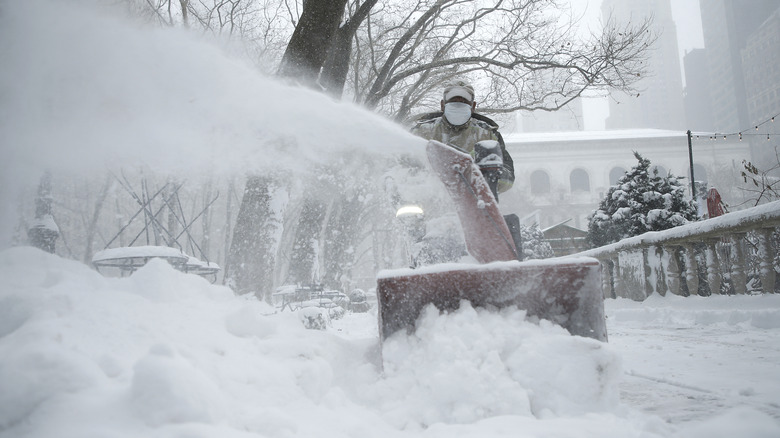
If you live along the east coast of the United States, at some point during the winter months you may find yourself dealing with the effects of a nor'easter. These incredibly powerful and often fast-moving storms are infamous for the damage they leave behind, thanks to strong winds, plummeting temperatures, and massive amounts of snowfall. Given that these storms can move through your area even in years when The Old Farmer's Almanac forecasts a relatively mild winter, it's best to stay prepared throughout the season.
Nor'easters can actually form at any time during the year, though they are most common in the fall, winter, and spring. Although they are most associated with winter, nor'easters are not a standard cold front. Both types of storms are low-pressure systems. However, nor'easters form over water, like hurricanes. These storms tend to move toward the northeast (hence the name), bringing with them powerful weather forces, including coastal flooding.
Not only are nor'easters strong, they also typically linger — often upwards of a week. With that in mind, one of the main things you need to do in order to be prepared is to have an emergency kit and adequate supplies on hand at all times. That includes having plenty of battery-powered light sources, like Eveready LED flashlights, along with extra batteries, a hand-cranked or battery-powered weather radio, plenty of warm clothing and blankets, and a first aid kit. Ensure you have an ample supply of non-perishable foods and fresh drinking water, along with prescription medications to last several days. When it comes to stocking drinking water, factor at least 1 gallon per person per day.
Prepare your house and yard ahead of time
Considering that a nor'easter can form and move inland relatively quickly, it's a good idea to have your house and yard prepared before bad weather becomes an issue. Cutting away dead and overhanging branches near roofs and windows can help prevent damage to your home when strong winds move through. Additionally, just as those southern coastal areas do when preparing for a hurricane, it's a good idea to precut plywood to cover windows if you do not have storm shutters on your home.
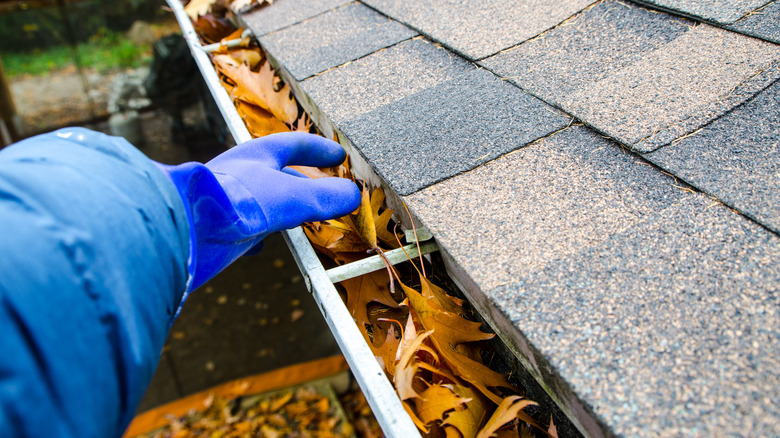
Make sure your property is prepared to handle rain, snow, and flooding: Check your roof, replace shingles, and make any necessary repairs while the weather is nice. Make sure gutters are clean and doors and windows are sealed. These same steps should also be taken to prepare sheds for harsh winter weather. You also need to test your sump pump (if you use one) to make sure it is in good working order and elevate any appliances at risk of being flooded, if possible.
Given that power outages are common during nor'easters, you'll want to be prepared if the power goes out. The time to purchase a generator is before a bad weather system threatens. If you already have a generator, make sure it starts and runs. Have a supply of gas on hand, or ensure rechargeable power stations are fully charged. Finally, check to make sure all smoke detectors and carbon dioxide monitors have fresh batteries and are functioning properly.
Final prep as a nor'easter approaches
When a nor'easter is forecast to hit your area, there are final preparation steps to take. Clear your yard of any lightweight objects that could go airborne in strong winds. Outdoor furniture, lawn decorations, toys, trash cans, potted plants, and other items that can be moved should be brought indoors. Anchor heavy objects in place to avoid them blowing over. Any retractable awnings, umbrellas, or antennas should be secured or removed. Storm shutters or pre-cut plywood should be put in place over windows and doors. If flooding is a threat, use sand bags to divert water away from doorways.
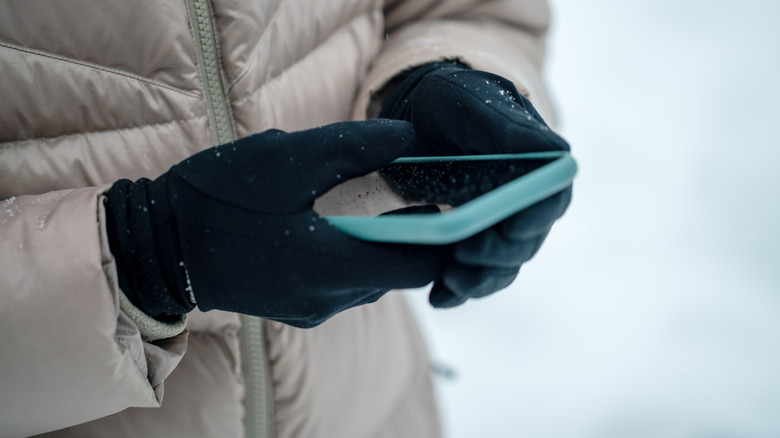
Next, charge all electronics, including portable chargers. Computers, televisions, and other electronic devices that are prone to surge damage should be unplugged. Freezers and refrigerators should be turned to the coldest setting. The idea here is to make the contents as cold as possible prior to a power outage so that they will last longer with the power off. Should the power go off, minimize how often you open refrigerator and freezer doors. Finally, fill bathtubs with water, which can be used to flush toilets or for cleaning.