

How To Winterize A Cherry Tree For A Bountiful Harvest Next Spring
We may receive a commission on purchases made from links.
Cherries are both a delicious treat you can enjoy fresh from the garden and a fragrant tree that pollinators and birds can't get enough of. If you want the biggest, best harvest your tree can produce, you need to make sure it overwinters properly. Keeping your cherry tree healthy through winter is the best way to ensure it thrives in spring and summer. You'll need to keep it warm, prune it, and protect it from damage and disease.
Starting with a cherry tree that is hardy in your USDA hardiness zone will make it easier to keep warm. Sour cherries (Prunus cerasus) are hardy in zones 3 through 8, while sweet cherries (Prunus avium) are more hardy in zones 5 through 9. However, specific cultivars may have slightly different ranges, so it's always good to double-check.
If the tree is hardy in your zone, you can usually keep it warm simply by adding a layer of mulch around it. Layer it in a ring or donut shape around the trunk, rather than a solid mound. You don't want the mulch choking the roots, and wet mulch rubbing against the trunk of your cherry tree can cause abrasions over time. If you're growing a dwarf cherry tree, one of the fruit trees you can grow in a pot, you may need to move it indoors or to a more sheltered location.
How to prune your cherry tree
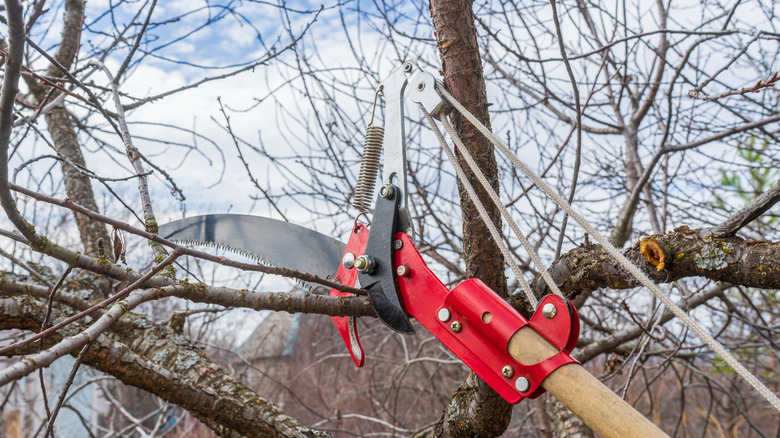
If you're growing sour cherries, be aware that they're one of the plants you shouldn't prune in fall, as they aren't yet dormant but also don't have the energy to healduring a harsh winter. Instead, prune your sour cherry tree in late winter. Being dormant will keep the tree's stress low, and with spring right around the corner your tree won't have to wait long to start putting out new growth.
As with other trees, start by removing any dead, damaged, or diseased branches. Branches that are weak or at higher risk of being damaged should go next. Then move on to shaping your tree. Sour cherry trees benefit from a more open canopy shape to reduce damage and promote air flow, with the center of the canopy being empty and the remaining branches fanned out around it, so prune to a modified central leader for open, V-shaped branches.
Sweet cherries, on the other hand, need a different pruning style and time. They need a central leader — one strong central branch or trunk with other branches growing out of it. Sweet cherries are often best pruned during late summer right after harvest, as they can easily develop fungal infections such as bacterial cankers and silver leaf when pruned in winter. If you live in an area with warm, wet winters or have already seen signs of fungal infections on nearby trees, you should consider pruning your sour cherries in fall or spring as well. Even sour cherries can become diseased in those conditions.
Protecting your cherry tree from damage
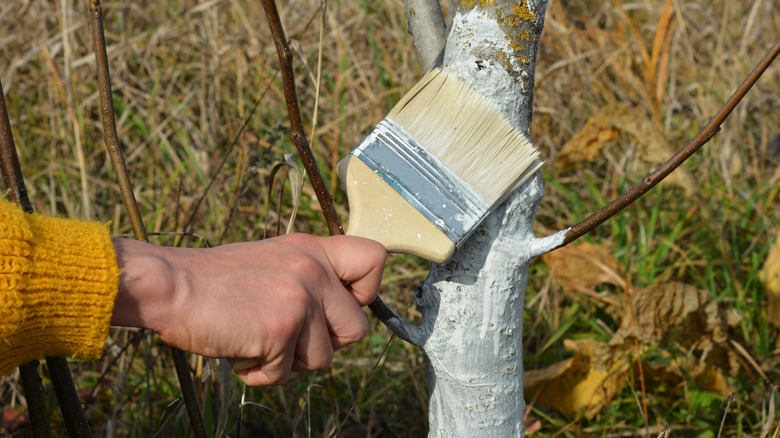
There are two common types of damage you might see on your fruit tree (well, three if you count broken branches from storms and ice, but pruning will help with that): pest damage and sunscald. During winter when other food sources are low, many mammals will eat tree bark, and both sour and sweet cherry trees are on the menu. Sunscald may sound like a type of sunburn, but it might be more accurate to call it a stress fracture. In the winter, when trees don't have leaves to shade their trunks, bright sunlight can warm sections of the tree, which then cool rapidly as night approaches and temperatures drop. This sudden temperature change causes the bark to expand and shrink quickly, causing rough, cracked bark or split trunks.
Luckily, the solution to both of these problems is the same. Simply cover the trunk with either a trunk wrap or a coat of protective paint. These will shield the bark from pests looking for a snack and the blistering rays of the sun. Choose light colored wraps or paint, since darker colors absorb more heat and can make sunscald worse. For paint protection, white paint is ideal for preventing sunscald and it can limit pest damage. Many gardeners prefer latex paint, but there are organic options as well, like IV Organic tree guard paint. Trunks wraps can also help protect the young trees in your yard from frost.