

The Do's And Don'ts Of Ethical Wildlife Photography
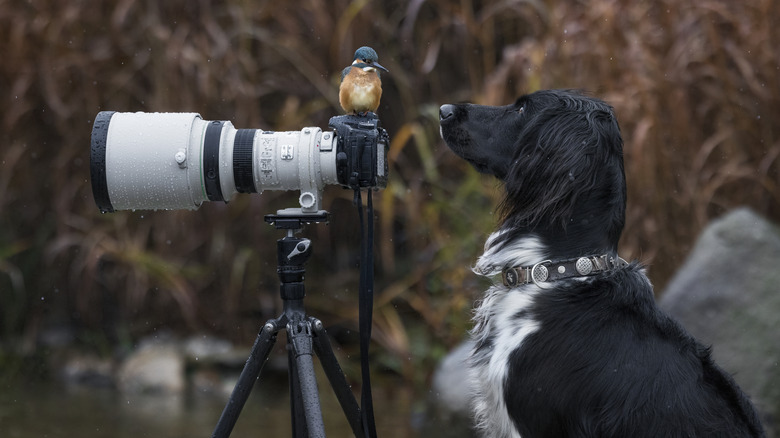
Wildlife photography offers a front-row seat to some of nature's rawest, most intimate moments, but with that privilege comes serious responsibility. Capturing animals in their natural habitat isn't just about getting the shot — it's about how you get it. Ethical wildlife photography is the practice of documenting animals without causing them harm, stress, or disruption. It means respecting their space, following legal protections, and putting the subject's well-being above the final image. Whether you're photographing a fox on the edge of a field or a bird nesting high in the canopy, your behavior behind the lens matters. With every photo you take, you have the opportunity to tell honest stories and become stewards of the wild places you love.
The thing to keep in mind is this: the way people photograph wildlife shapes how others see and treat it. Images captured ethically build trust, raise awareness, and spark curiosity about the natural world. But unethical practices — like baiting, harassing, or misrepresenting a shot — can lead to real harm for animals and their ecosystems. Even with the best intentions, a careless moment can leave a lasting negative impact. That's why ethics in wildlife photography isn't optional — it's essential. Knowing the best practices every photographer should follow to protect wildlife and preserve habitats ensures that the stories you tell through your lens are truly ones worth sharing.
Keep a respectful distance
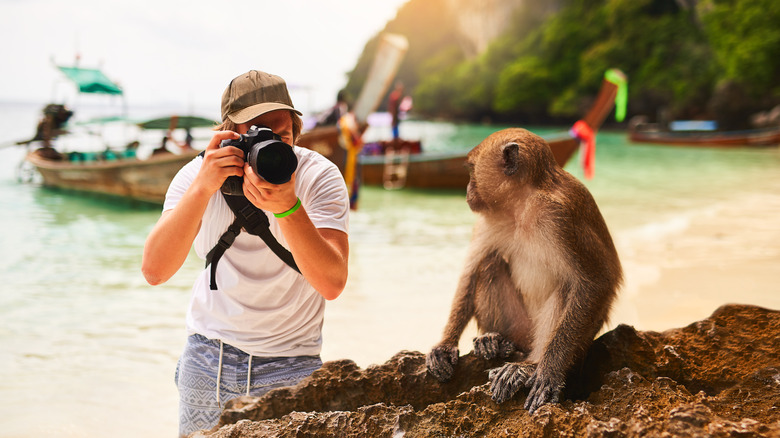
The foundation of ethical wildlife photography is simple: don't get too close. Keeping a respectful distance means staying far enough away that your presence doesn't alter an animal's natural behavior — ideally with a telephoto lens doing the heavy lifting. The goal isn't just to get the shot; it's to get it without interference. Many photographers follow the rule that if your presence causes an animal to change direction, freeze, or flee, you're already too close. It's important to remember that you're not just an observer with a camera — you're a guest in their home. So prioritize the animal's welfare over the photo, since the best wildlife images are the ones that tell a story without ever leaving a footprint.
Respecting boundaries in the wild is the first step to ethical wildlife photography. Why? Because getting too close can trigger stress responses, force animals to abandon nests or young, or even habituate them to humans — making them more vulnerable in the long run. The ripple effects can be severe: a spooked bird might abandon its eggs, or a habituated predator might begin to associate people with food, leading to dangerous encounters and possible euthanization. But don't forget your safety's on the line, too. Wildlife can react unpredictably when they feel cornered or threatened. Ethical photographers understand that every encounter is a balancing act between curiosity and caution. When in doubt, back off — and let the wild be wild.
Use a telephoto lens
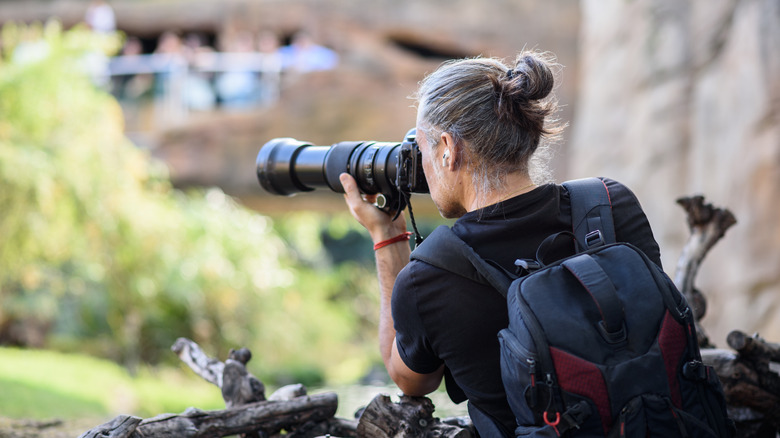
With a focal length typically starting at 300mm and extending to 600mm or more, telephoto lenses allow you to fill the frame with stunning detail without closing the physical distance. Popular options include zoom ranges like 100–400mm or 150–600mm, and for pros, prime lenses at 500mm or 600mm offer even more reach and clarity. These lenses narrow your field of view, making distant subjects appear close and vivid, which allows you to capture intimate wildlife portraits from a respectful distance. While it's possible to snap ethical wildlife photos without a telephoto lens, using one means you won't be tempted to get any closer than necessary to capture the image you want to.
Finding the best wildlife camera and using a telephoto lens is one of the most practical ways to uphold the core principle of wildlife photography: don't disturb what you're there to admire. Animals flush, freeze, or flee when people get too close — and those reactions aren't just inconvenient for your shot, they're harmful. Stress responses can disrupt feeding, resting, or nesting behaviors — not to mention burning vital energy reserves or exposing animals to predators. The perfect photo isn't worth the ecological cost. But a long lens is the bridge that lets you observe without interfering — getting you close visually, while keeping you far enough away to let the animal be wild, undisturbed, and safe.
Don't bait or lure wildlife
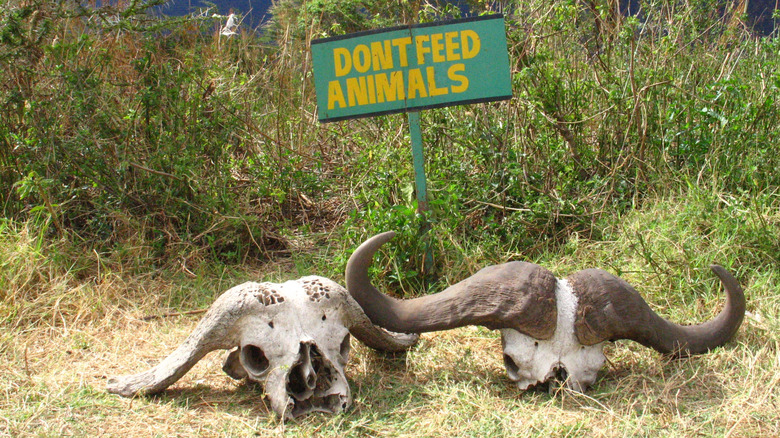
Baiting and luring might seem like shortcuts to a compelling shot, but they come with serious risks — to both you and the wildlife. Baiting involves using food — like meat, seeds, or live prey — to attract animals to a specific spot. Luring expands the idea to include calls, scents, or decoys that manipulate an animal's behavior. While it might result in dramatic images, it often does so at the cost of the animal's welfare and natural behavior. The entire point of ethical wildlife photography is to capture animals as they are, not as we've tricked them into being. When you bait or lure, you're not just staging a photo — you're altering an ecosystem for your own gain.
The consequences of baiting go way beyond the photo. Animals conditioned to associate humans with food can lose their natural fear and become aggressive or dependent, often leading to their euthanization — hence the saying, "A fed animal is a dead animal." It disrupts their diet and routines, exposes them to predators and traffic, and increases the spread of disease due to unnaturally high concentrations. It's also just bad photography — posing as wild when it's anything but. That fake moment might impress on social media, but it can cost a life. Ethical photography, however, encourages patience, respect, and restraint — not manipulation. Because the reality is that real wildlife moments don't need a lure — they just need your presence, your lens, and your ethics intact.
Avoid flash or harsh lighting
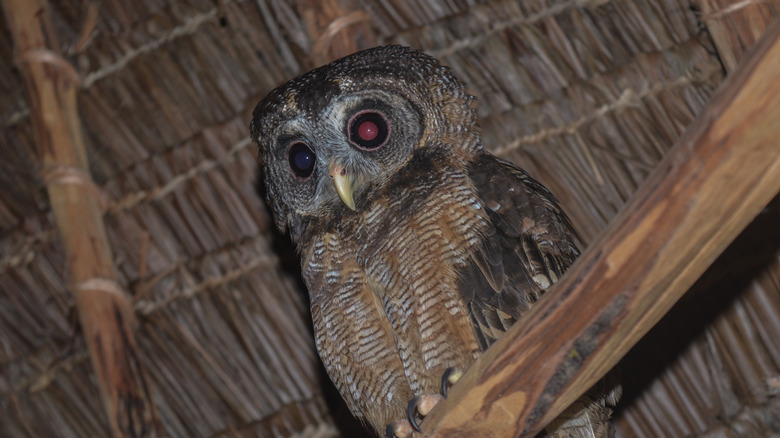
Using flash or high-powered artificial lighting while photographing wildlife can do more harm than most people realize. Whether it's a camera-mounted flash, spotlight, or continuous strobe, any sudden burst of bright light can disorient animals and interfere with their behavior, especially at night. For instance, nocturnal creatures like owls, bats, or nightjars are particularly vulnerable since their eyes are fine-tuned for darkness, not dramatic lighting setups. Even during the day, aggressive artificial lighting can stress wildlife, alter their movement, or ruin a moment of natural behavior. If you need to shoot in low light, ethical alternatives like infrared or red-filtered lights are less invasive. The goal is to document wildlife without disruption — and that starts by keeping your lighting soft, smart, and subtle.
The danger behind flash photography is more than just theory, however. It's actually biological. A sudden burst of light can temporarily bleach an animal's photoreceptors, causing momentary blindness or disorientation. For predators like owls, even a few seconds of impaired vision could mean a missed meal or a mid-air collision. Beyond the physical toll, flash and harsh lighting can flush animals from nests, startle them from rest, and force them to burn energy they can't afford to lose. Beyond that, flash rarely makes a wildlife image better. Between the harsh shadows and glowing eyes, it often creates flat, unnatural shots. So even if lighting wasn't so disruptive, it's not like you're getting much for using it anyway.
Leave nests, dens, and babies alone
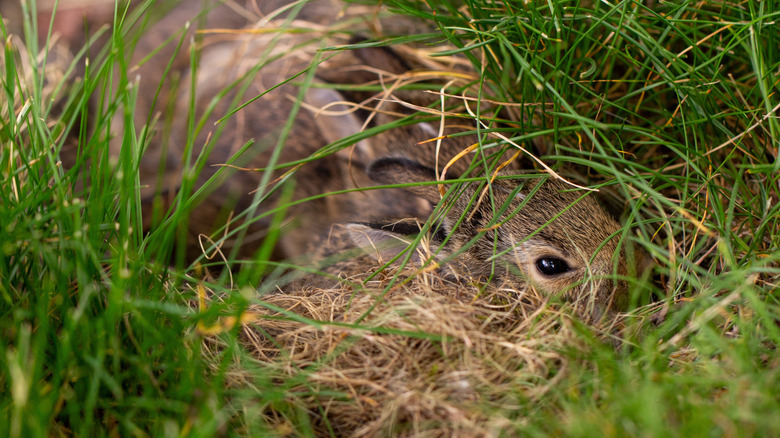
There's no shortcut here — if you see a nest, den, or baby animal in the wild, give it space and walk away. This rule is non-negotiable in ethical wildlife photography. Nesting birds, denning mammals, and vulnerable newborns are at their most fragile. Even the slightest disturbance, like your scent, the crunch of your boots, or the click of your camera, can be interpreted as a predator threat. That's enough to make a parent flee, sometimes for good. If you truly want to protect what you're photographing, your presence should be a whisper in the wild, not a disruption.
Disturbing nesting or denning wildlife doesn't just ruin the shot, either. It can genuinely ruin lives. A parent bird startled off its nest may never return, leaving eggs or chicks to die from cold, hunger, or predation. What's more, your scent trail can lead predators straight to the den. Even young animals that seem abandoned — like fawns lying quietly in the grass — are usually just waiting for their mother to return. Intervening, even with good intentions, can cause more harm than good. Not only are there plenty of animals that are cute and dangerous, but in many cases, getting close to active nests is illegal under wildlife protection laws. If your presence changes an animal's behavior, you're too close – full stop. Respect means restraint, and in this case, that restraint saves lives.
Move slowly and stay quiet
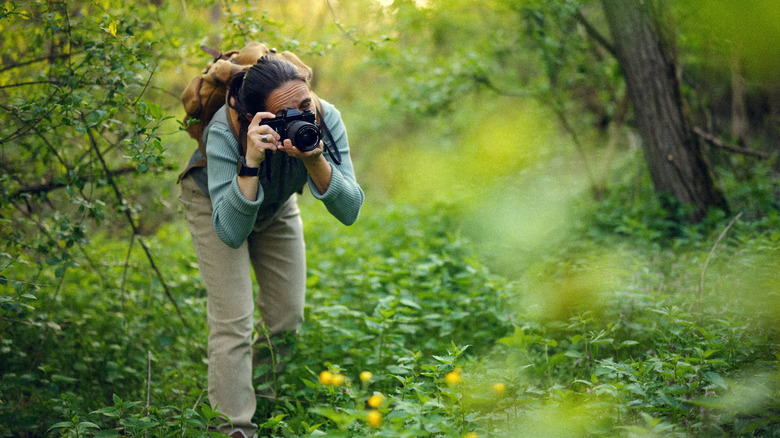
In the wild, silence and stillness are both polite and powerful. Moving slowly and staying quiet helps you blend into the background of the animal's world. This means avoiding sudden gestures (like snapping your camera up), silencing phone alerts, and never walking directly at wildlife. Instead, move in an arc, stay low, and give the animal a chance to stay calm. This is essential, not only for avoiding a startle, but also for building trust. The more naturally the animal behaves in your presence, the better the image you'll capture. Fieldcraft like this takes practice, but it's one of the most rewarding parts of ethical wildlife photography. If you think about it that way, you're not just taking a photo; you're earning it.
Wild animals are hardwired to flee sudden movements and loud sounds — it's how they've survived for millennia. When you move too quickly or make unnecessary noise, you trigger their flight response, interrupting feeding, mating, parenting, or resting behaviors. That's energy they may desperately need for migration or colder seasons — and wasting it compromises their safety. On top of that, human noise can mask the subtle sounds animals rely on to detect danger or communicate with each other. Moving slowly and staying quiet doesn't just help you get closer — it helps preserve the natural rhythm of the wild. For their part, you get a real moment. And for yours, the animal gets to carry on undisturbed. That's the win-win.
Don't geotag rare or sensitive species
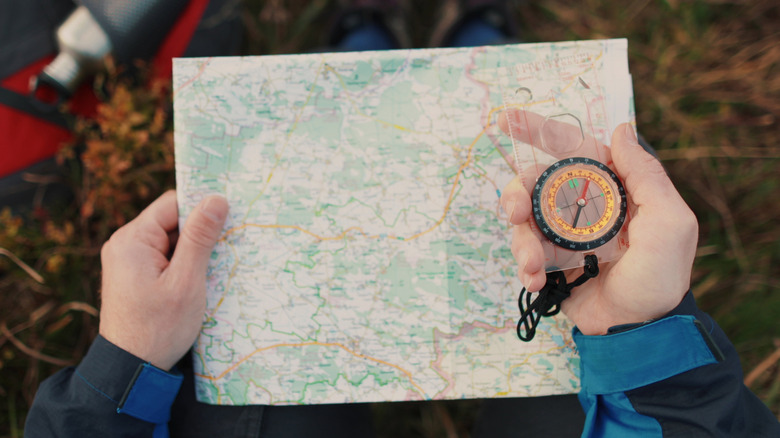
Modern cameras and smartphones automatically tag photos with exact GPS coordinates — which makes for cool tech — but it's risky when it comes to wildlife. Geotagging means embedding the location of your shot, which can reveal the precise whereabouts of rare species or sensitive habitats when shared online. That's why ethical photographers either disable geotagging completely or only post general location info – think "Yellowstone," not "1.3 miles down Elk Run Trail." This matters especially when photographing nests, dens, or endangered animals. One tagged post can turn a hidden haven into a hotspot overnight. In this case, protecting wildlife means keeping their secrets safe. The less you share, the more they thrive.
Sharing exact locations of sensitive wildlife may seem harmless — but it can have real, irreversible consequences. Poachers, unethical photographers, and curious crowds all use location data to track down rare species. This puts animals at risk of harassment, stress, or worse — capture or death. Beyond that, geotag-driven over-tourism damages fragile ecosystems, causing trails to widen, vegetation to vanish, and wildlife to flee or change their behavior. Some conservation groups intentionally keep locations secret for this very reason — and one geotagged photo can undo all that effort. Ethical photography means playing the long game: prioritize the species, not the selfie. When in doubt? Zoom in on the wildlife, not the map.
Follow park rules and legal protections
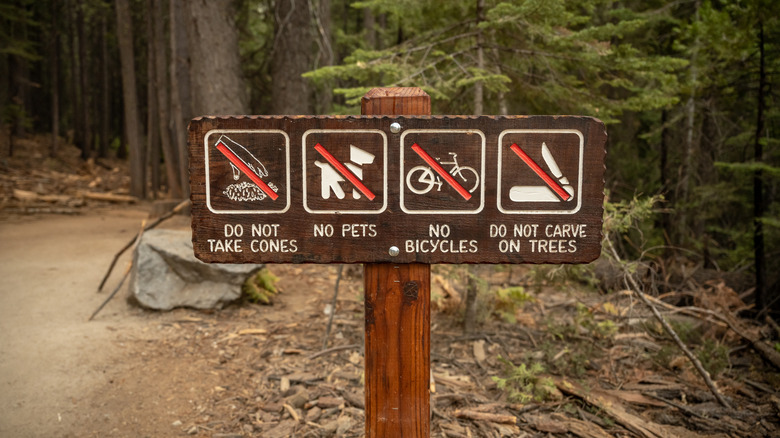
When you're photographing wildlife, you're not just out in nature — you're in someone else's jurisdiction. National parks, refuges, and wilderness areas operate under clear, well-researched rules meant to protect wildlife, habitats, and visitors alike. These include staying on designated trails, observing minimum safe distances, avoiding baiting or feeding, and securing permits for drones, commercial shoots, or special equipment. Many of these rules are backed by serious laws, like the U.S. Migratory Bird Treaty Act, which makes it illegal to disturb nesting birds or their eggs. As a photographer, you have a responsibility to know — and follow — these regulations. In the wild, ignorance isn't just irresponsible — it's sometimes a crime.
Of course, park rules aren't just red tape. They're there to keep ecosystems intact and people safe. Minimum distance guidelines (like 25 yards from elk or 100 yards from bears) are based on animal behavior science, not guesswork. Violating those distances can cause animals to flee, abandon their young, or react defensively — and that puts both them and you at risk. Trail restrictions help prevent damage to delicate habitats, while feeding bans stop wildlife from becoming dangerously habituated to humans. And don't forget: breaking these rules can come with fines, gear confiscation, or worse. Following the law shows respect for the land, the animals, and the entire community that works to protect them. So it's never just about being a photographer — it's about being a steward and advocate for the wild places you love.
Be honest in your captions and context
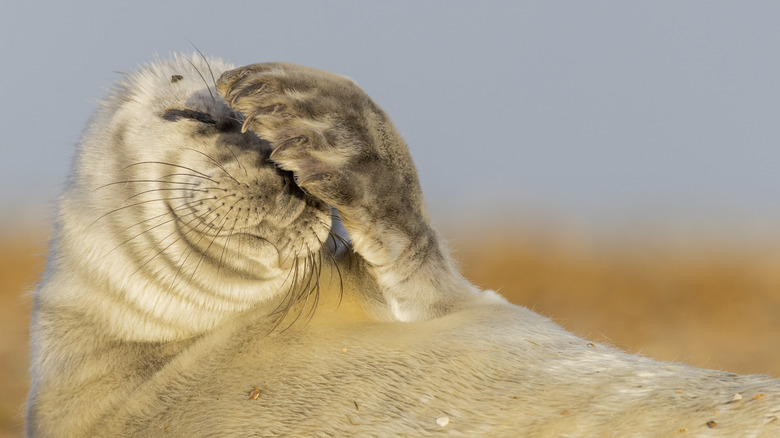
When you think about wildlife photography, you probably think about the many beautiful images others have captured. But behind every image, there's a story. Being honest in your captions means clearly stating how the photo was taken: whether the animal was wild or captive, if bait or calls were used, and how much digital manipulation was involved. It not about calling yourself out — rather, it's about maintaining transparency and respect, both for your audience and the subject. If the image was staged, trapped remotely, or heavily edited, say so. The goal isn't perfection — it's authenticity. Your caption is where credibility lives or dies, and in a world flooded with content, honesty is what makes your work stand out.
Here's the thing: When photographers fudge the truth — whether by omitting context or dressing up a manipulated image as "wild" — it erodes public trust in the entire field. That false sense of drama can inspire others to take reckless shortcuts or harass animals just to chase an impossible shot. Worse, it skews how people understand wildlife, promoting unrealistic expectations and undermining conservation efforts. Captions are also where ethical practices protect species — leaving out sensitive locations, for example, can shield rare animals from overexposure or poaching. Because in the end, your words matter just as much as your visuals. So just remember to be real, transparent, and set the kind of example that elevates wildlife photography — not just your portfolio.
Use your images to advocate, not exploit
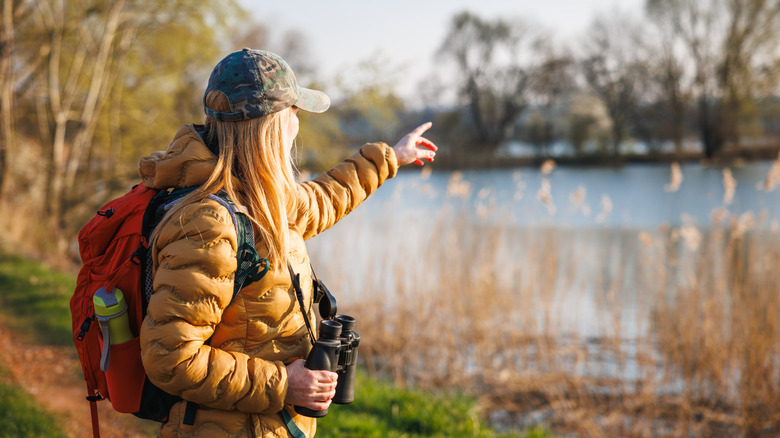
Wildlife photography doesn't end when you hit the shutter. It continues in how that image is shared, framed, and used. For ethical photographers, the goal is to advocate, not exploit. That means capturing images that educate, inspire, and push for conservation – not shots staged through harm, deceit, or disruption. True advocacy means documenting real wildlife behavior, sharing the stories behind the image, and supporting causes that protect nature. Exploitation, on the other hand, prioritizes the photo over the subject — whether that's by baiting, mislabeling a captive animal, or damaging habitat for a cleaner background. At the end of the day, your lens is a powerful tool. The question is: what are you using it for?
When used with integrity, photography becomes a megaphone for the voiceless. A single image can spotlight a vanishing species, expose habitat destruction, or amplify the work of conservation heroes in the field. It can stir emotion where data falls flat, spark action from apathy, and fuel momentum behind real change. But it only works when it's honest. Ethical storytelling builds empathy and trust — two things enthusiasts desperately need more of in the fight to protect the planet. So put the animal first. Put the ecosystem first. If your photo advocates for the wild instead of taking from it, you're not just a photographer. You're part of the solution.