

What To Know Before Trying Seafood Compost As Fertilizer In Your Garden
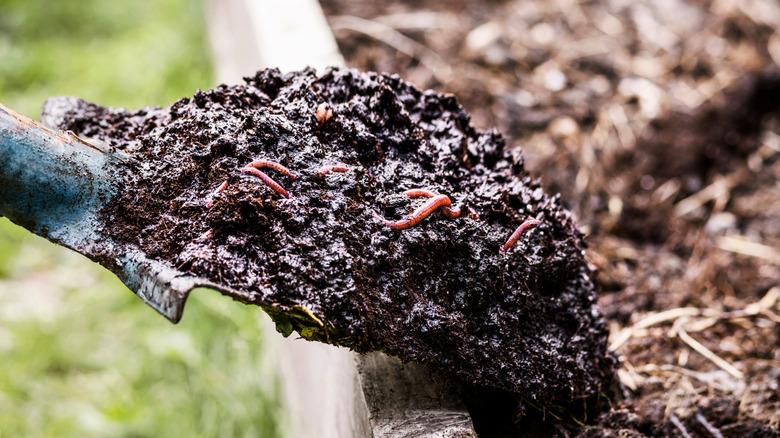
Compost is decomposed organic material that can be added to your garden as a soil amendment. While many materials, like deadheaded flowers or wine corks, can be composted, seafood scraps add extra nutrients and minerals to nearly any garden. According to the Sustainable Agriculture Research and Education Project, tomatoes grown with fish compost grew faster, looked healthier, ripened earlier, and even held off blight longer than those fertilized with veggie or no compost at all.
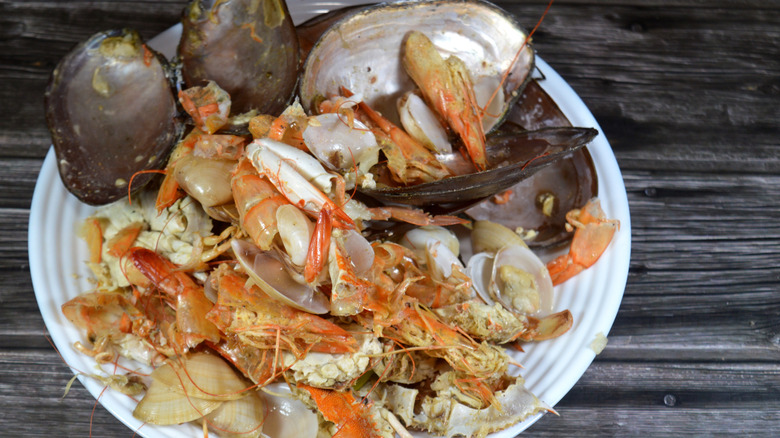
SARE's research explains that seafood compost is made from natural seafood waste — like fish bones, skin, and scales — combined with other organic matter such as manure, wood chips, straw, leaves, or peat moss, then left to decompose outdoors or in a DIY compost bin. The process of transforming your seafood scraps into compost can take several months and requires specific temperatures to remove any harmful bacteria that may be lurking around. Shells can also be used to add calcium, but they need to be pulverized for faster decomposition.
Quality seafood compost offers several benefits for your garden. The decomposing shells will release calcium and magnesium into the soil, which will help improve health over time. Other fish parts add phosphorus and nitrogen, helping balance soil pH and reduce acidity.
How to make your own seafood compost
Seafood compost is commercially available at many garden centers, hardware stores, and online retailers. Reputable brands include Coast of Maine Quoddy Blend, Espoma Organic Land and Sea, and Oly Mountain Fish Compost.
Making your own seafood compost isn't difficult, but it can take time to master. While trench composting quickly transforms green matter, it's not the best method for seafood composting. Instead, use a classic compost pile with about 60% moisture and 20% oxygen, maintaining a pH between 6 and 8.5. The mixture then needs to reach 130 to 150 degrees Fahrenheit in order to sufficiently kill any harmful bacteria that may be living in the compost. This temperature needs to be maintained over the course of several weeks or months, depending on the size of your pile.
One potential downside of a seafood waste compost pile is its smell. In the early stages of decomposition, fish waste can produce an unpleasant, rotting odor. This dissipates quickly, but the initial scent prevents it from being the best option for indoor or close confinement composting operations. The rotting smell can also attract vermin like rats and mice. To prevent this, aim to bury your fish at least six inches or deeper in your compost pile.
Using seafood compost in your garden
It is always beneficial to test your soil to see what it already contains before adding any extra nutrients. You can purchase soil testing kits online, use a time-honored mason jar trick, or contact your local USDA Extension office to have a representative come out and test your soil. Once you know what you're working with, you can adjust how heavily you want to apply the compost.
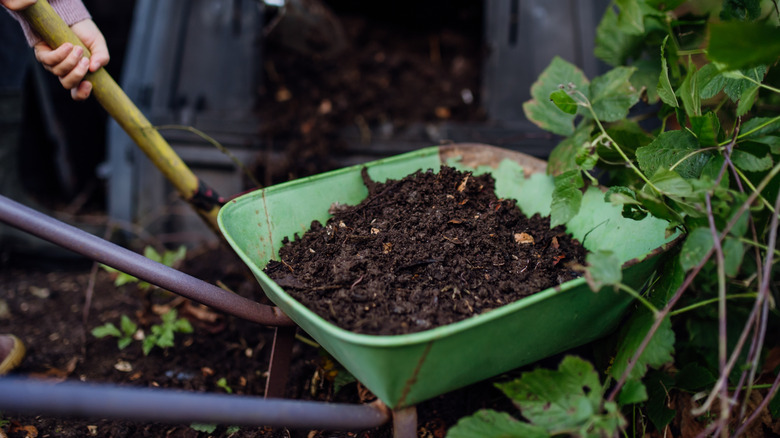
For existing beds, mix 2 to 4 inches of the seafood compost in with your current soil. Remember, the compost will continue to decompose over time. Therefore, you will need to continually add to it. For annual topdressing, apply about ½ inch of compost. The minerals and nutrients gradually enrich the soil, promoting healthier plant growth.
Crushed oyster, clam, or mussel shells offer many of the same benefits as seafood compost without the fishy smell. They provide calcium and other minerals that seafood compost does, all while maintaining the attractive look of a good mulch. If you already have nutrient-rich soil and want an appealing top dressing, shells are an excellent choice. Either option provides significant benefits for your garden.