

8 Things To Do With Those Leftover Holiday Pumpkins
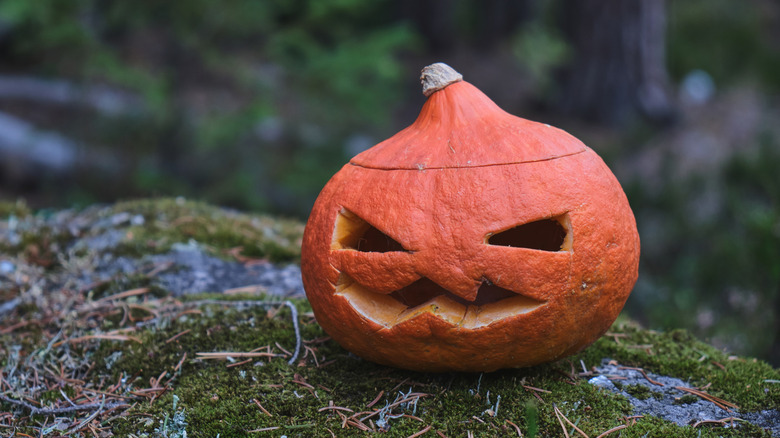
The fall holidays are upon us, and we don't know about you, but these celebrations are some of our favorites. There's so much to love about this time of year, and there's nothing more classically autumn than pumpkins, warty gourds, and vibrant squash. From frightening jack-o'-lanterns to eye-catching harvest and Thanksgiving displays, many a pumpkin adorns entry ways, decks, and retaining walls for our visual enjoyment each October and November. The tale of pumpkin-laden festivities is centuries old and we think the Old World practice originated in countries like England, Ireland, and Scotland. Their folksy backstory spans Celtic war rituals and Samhain's Festival of the Dead to a mischievous fellow named Stingy Jack with his coal-lit turnip lantern.
The U.S. grew more than 1.2 billion pounds of pumpkins — orange, white, green, heirloom, and more — in 2023, coming from top pumpkin-producing states like Illinois, California, and Indiana. That's a whopping 3.5 pounds of pumpkin per capita. But what should you do with this usually mushy décor once the holidays are over? Beyond the trick or the treat, there are plenty of eco-friendly ways to say farewell to these adorable gourds. So, don't send them to the landfill just yet: Recycle your Halloween and Thanksgiving adornments by taking advantage of these eight tips for what to do with your leftover pumpkins.
Donate them to your local zoo
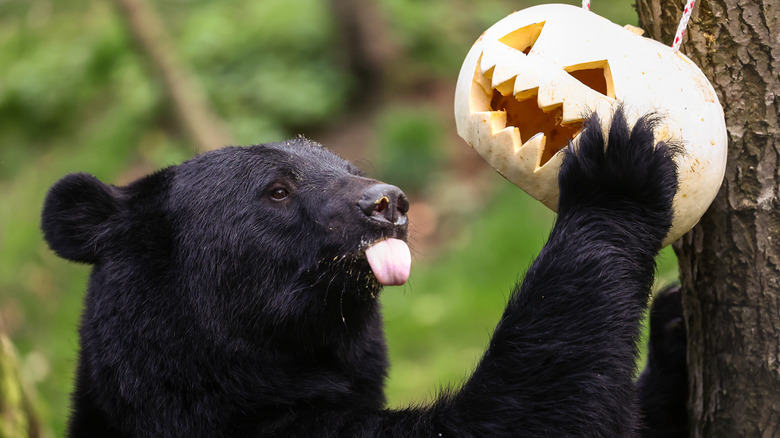
We'd suspect that out of the billion pumpkins grown in the U.S., most aren't eaten by humans. If you don't want to leave your leftover pumpkins in the trash this year, consider donating them to your local wildlife refuge. If a trip to Boo! at the Zoo is one of your must-do fall activities, you might get lucky and spot elephants, bears, hippos, orangutans, and tortoises all losing their gourds over these squashes.
Even if they're not on the menu, they're still a terrific diversion. Playing, smashing, and rolling a pumpkin around can be a fun source of enrichment. Watching the animals' antics helps conservation organizations draw in more paying guests. Maybe you'll spy a pumpkin pool toy in the otters' exhibit or watch a ring-tailed lemur open a pumpkin to score a tasty treat stowed inside. The Zoo Boise staff in Idaho puts dozens of gourds in animal enclosures each year, giving animals mental and emotional enrichment (play is important for many animals, not just people). The critters use touch, sight, smell, and taste as they crunch, stomp, and pull apart these colorful, aromatic gourds.
The Brookfield, Cincinnati, Calgary, Asheboro, Oakland, and Milwaukee County Zoos are all great places to contact for donations. While there are loads of animals that would love to gobble up your leftover ghoulish gourds, just make sure they're unpainted. Unfortunately, the colorful image you brushed on your pumpkin could be full of toxins. Some paint pigments, particularly oils, contain poisonous metals like lead, cadmium, and mercury. Non-toxic paints are less concerning, but if a little meerkat, for example, ingests large amounts of polymer it could still be problematic. And if your local zoo doesn't take pumpkins, check with private wildlife centers, petting zoos, and other animal-focused institutions.
Make an eco-friendly bird feeder
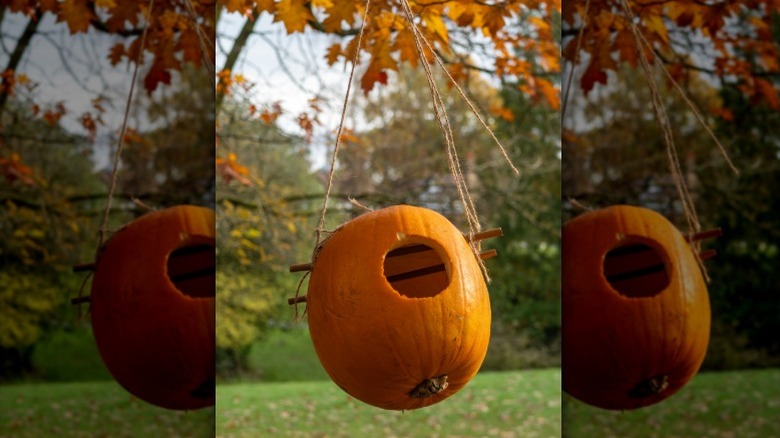
If you don't have an animal sanctuary nearby, you can still support native wildlife and turn that spent pumpkin into an eco-friendly bird feeder. After all, bears aren't the only animals that change their eating patterns in the fall. Many types of birds pack on the pounds as the seasons grow cooler, particularly migratory species. They need those extra calories to make it to warmer climates to hole up for the winter. The risk of not being able to find reliable food sources along the journey is pretty high, and a temporary pumpkin planter filled with their favorite foods is the ideal pitstop. Even those birds that hang around all year — like nuthatches, chickadees, and peanut-loving jays — will likely spend fall caching delectable morsels in crevices and behind bark.
Making a pumpkin bird feeder is pretty easy, even for the novice DIYer, and power tools aren't required. Just cut the pumpkin in half, set the top aside for the squirrels, then scoop out any remaining guts and seeds. You can leave it at that and set it on the ground or hang it from a tree with thick twine or rope. Use a screwdriver to punch four holes around the edge of the pumpkin planter, push your twine through, and secure it on the outside with a tight knot. Now, tie up all four strings at the top and you're ready to hang it in a nearby tree. Fill it with a high quality seed blend to attract feathered friends to your seasonal feast. Cardinals love black oil sunflower seeds, and they're the go-to choice to satisfy the most varieties of backyard birds, while peanuts and nyjer seed, a favorite of finches, are high in fat and calories.
Add them to your compost pile
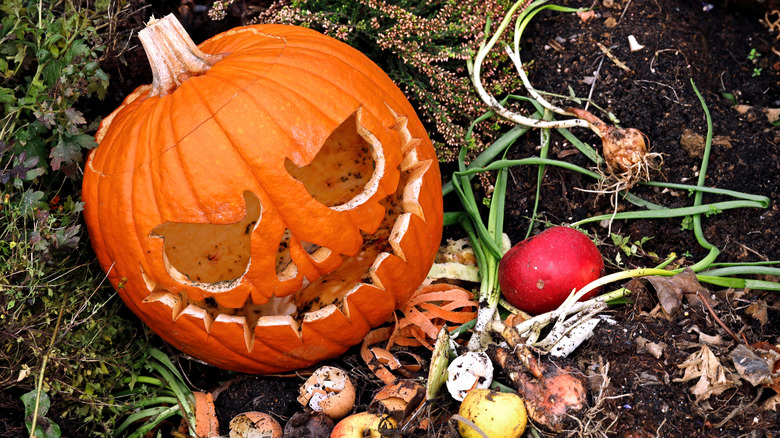
While you don't want your pumpkins rotting away in a landfill, they actually make the perfect addition to your compost pile because they're a great source of nitrogen (so they're a green compost component), potassium, and vitamins A and C. The dump isn't the best place for aerobic decomposition, and even state officials warn residents about putting holiday pumpkins in the garbage. That's because without oxygen, they create a greenhouse gas called methane. And why would you trash them when there are plenty of budget-friendly DIY ways to start a compost pile?
If the squash is still whole, remove the insides, and save the seeds (unless you want pumpkins growing in your compost). Remove any wax or candles from carved jack-o'-lanterns, then give them a good smash, since little bits break down faster than a whole gourd. Now, find a place in your yard that will work well for composting. You want a spot that's easily accessible, with good drainage, just not next to a fence or other structure. Sun exposure isn't much of a concern, so don't pass up shady areas, if they meet your other compost-friendly criteria. Now, cover your pumpkin bits with a thick layer of leaves and let nature do its work.
Painted pumpkins are a no-no in this case as well, because paint doesn't decompose. Those toxic pigments can contaminate your prized organic material, but don't trash your gourd-geous masterpieces just yet. Simply cut or scrape away the painted areas and compost whatever's left. If making your own compost is out, find an annual pumpkin smash event. Scarce is an organization that hosts occasions just like this. With over 100 registered sites around the country, there may be one near you (or you can help start one). Last year, participants helped compost nearly 165 tons of pumpkins.
Leave them in your yard for wildlife
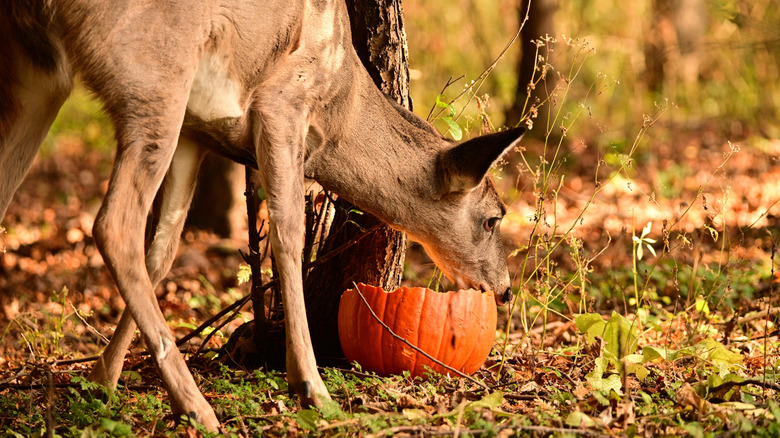
Exotic zoo animals aren't the only ones that love pumpkins. Your local wildlife, from deer and rabbits to squirrels, would also be happy to clean up your leftover scraps. Not everyone thinks of pumpkins as a viable food source for wild animals, but they can be a great seasonal supplement for loads of creatures that eat fruits and vegetables. Having a jack-o'-snack in your yard may also help keep those pesky critters out of your garden and bird feeders, albeit temporarily.
Wild animals don't want to eat paint either, so if you opted for an acrylic pigment, you may be able to scrub it off with water. If that doesn't work, try using a vegetable peeler to remove the tainted outer skin, and toss those scraps in the trash. Now, break the gourd into a few pieces, or leave it whole, lift the lid, and hide a few carrots and apples inside for some extra temptation and indulgence.
Your fauna neighbors aren't the only ones that will make a meal out of a leftover holiday pumpkin. Some butterfly species will enjoy a bite too (especially if the pulp is still good). If you live in a warmer climate, add a colorful slice or two to attract butterflies to your pollinator garden. Just keep in mind that you don't want to attract pests or dangerous wild animals like bears and wolves too close to home. Consider placing pumpkin treats in a secluded spot in the back corner of your yard or in a nearby field (with permission, of course), where you can still enjoy watching wildlife relish this tasty treat without putting your pets and property at risk.
Save the seeds for next year's container garden
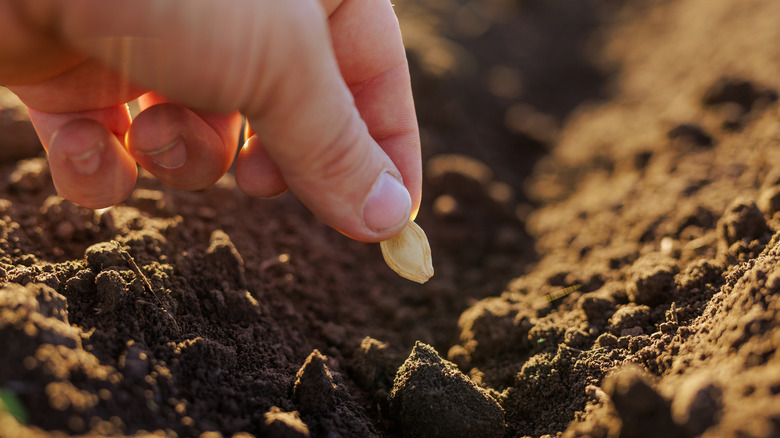
Who would have guessed that the seedy side of pumpkins would be one of the best? They're a majorly underutilized part of these beloved squashes, and while it's true they're quite delicious roasted, saving them for planting next year is a fun endeavor for young and old. Growing your personal crop will save you some dough at the pumpkin patch, and who knows? You may have a gaggle of gourds left over to share with friends and neighbors.
Of course, most people sow the seeds in the ground on acres upon acres of farm fields, but you can take advantage of a few tricks and grow pumpkins in a container garden right on your balcony. So, if you've got a whole pumpkin or two leftover from your holiday display, open it up and scrape out the seeds with your hands or use an ice cream scoop. Toss out any small or oddly shaped seeds, as those are less likely to grow into a healthy plant.
Then, rinse off any pulp with a strainer and cool water. Be gentle, as you don't want to damage the seeds, but you also don't want them to rot. Now, let them air dry completely on a paper towel. This process isn't going to happen in an afternoon, so plan to be patient as this step could take as long as four weeks depending on your humidity levels. Flip occasionally and change the paper towel if needed. Store the dried pumpkins seeds in a breathable paper envelope (never a plastic bag, or they could mold). Now, stow them away in a cool, dry place until late spring or early summer.
Use it as a short-term, budget-friendly planter
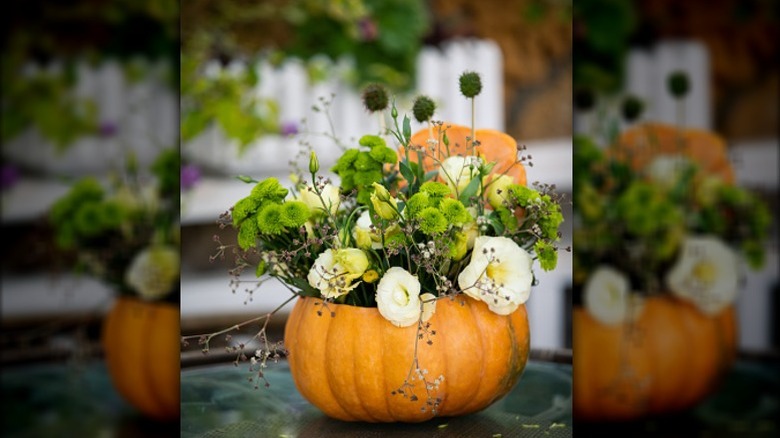
Pumpkins have so much more to give than ghoulish grins. Make the best use of leftover pumpkins, and turn them into eye-catching seasonal containers for your fall plants. Pretty much any size or shape of gourd will work, even those awkwardly long ones that don't lend themselves well to carving. Cinderella varieties are typically more flat-ish than round, and have a delightful indentation under the stem that's ideal for growing succulents, like a miniature aloe.
Pumpkins and colorful chrysanthemums seem to go together like a corn maze and a hayride, and repotting your mums may be the key to a thriving outdoor floral display this fall. Head to your local garden center for some anti-desiccant spray and give the pumpkin a good spritz to help retain some moisture. Then, fill the shell with dirt and sow anyting from kale or pansies to herbs like woolly thyme. These upcycled flowerpots make a striking scene on entry steps, a stunning garden table centerpiece, or a cozy fall display under a covered porch. The key here is to give the plants plenty of access to sunny rays, and protection from fall downpours.
Of course, your pumpkin planter is going to break down eventually. There is one trick that could give your planters a bit more staying power. Consider rinsing the inside with a vinegar-and-water solution to ward off mold and bacteria. While some folks recommend a 10% bleach, we like that vinegar is a safer option in case your planters get nibbled. You'll probably get lucky if they last a month, but good news: You can put the whole thing in the ground once your pumpkin starts to decompose and is too soft to stand up on its own, for built-in plant nutrition.
Give them back to the farmer
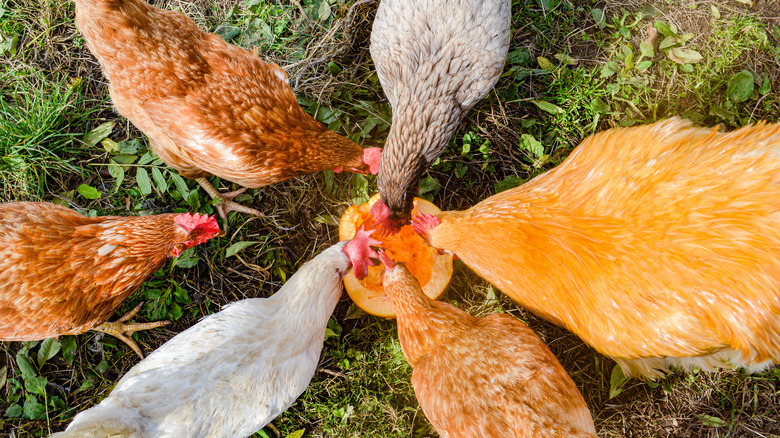
If you bought your pumpkins at a local patch, the farmer may be willing to take them back after the holidays are over. Or, maybe you know someone else who has farm animals. Chickens, cows, horses, pigs, and other livestock find pumpkins quite palatable. In fact, some ranchers let their cattle graze on pumpkin fields full of unharvested gourds. Pumpkins can be a terrific source of crude protein and they have a glycemic index of 75. That low carbohydrate impact means that they may even be safe for horses with metabolic syndrome. Just stick to about two cups or less a day and remember to check with your vet if you have any concerns, especially if you're limiting your equine's potassium intake. For poultry, break up the pumpkins a bit as they may not be able to peck past the hard rind and chickens typically prefer the soft, tasty innards anyway.
While pumpkins are generally safe for livestock, remember not to feed them painted, wax covered, or rotten gourds. Too much of a good thing could be an issue too, causing tummy upset. So don't just dump a big load of pumpkins over the fence near a herd of grazing Holsteins. Better yet, look for an organization near you that collects them specifically for livestock. Pumpkins for Pigs has been around since 2017 with a mission to reduce food waste. It has 600 drop off locations and at least one in almost every state. Pigs seem to appreciate the big boost of fiber, and because you can feed them whole fruits, getting them from porch to trough is less labor intensive.
Use them for backyard bowling
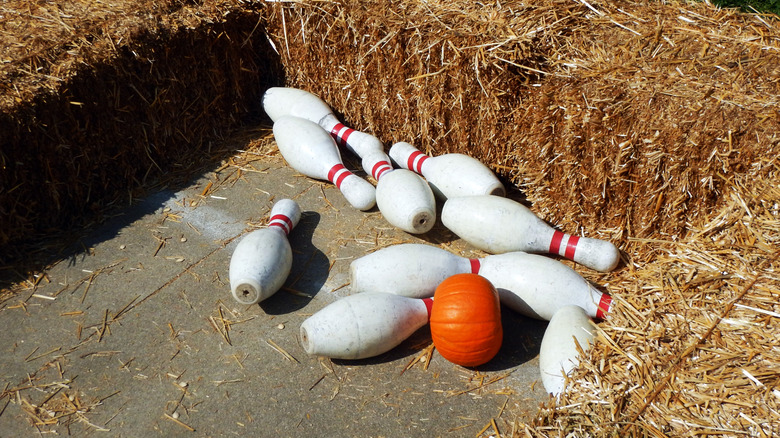
Fall festivities are coming to an end, but they don't have to just yet. How about starting up an impromptu league of backyard bowlers and extend the seasonal high jinks? This game is easy to set up and it's a wonderful way to stretch the life of those leftover pumpkins. Bowling with gourds is a fun and affordable outdoor activity for the whole family that doesn't come with a hefty price tag. With a little friendly competition thrown in, it'll have winners and losers bonding over a mug of hot apple cider after the last frame.
Backyard bowling with pumpkins has exactly the same rules as regular bowling, just using a pumpkin instead of a traditional bowling ball. The first step is to set up your pins. You can use just six if you've got kiddos, or amp of the competition and go for a standard 10-pin game. There are seemingly endless ways to recycle leftover trash from your holiday fête as pins. Whether you've got a bag full of water bottles, two liter pop containers, or a stack of red solo cups, think outside the lane here. Put a bit of sand at the bottom of each bottle to give it a bit of heft and keep them weighted down so they don't blow away in the autumn breeze. Then, arrange them in a triangle, with one pin toward the bowler. Get a good grip on your pumpkin and underhand roll it down the lane, aiming for a strike. It's best to use smaller pumpkins for this game and remember to cut off the stem, so your makeshift ball doesn't go cattywampus as it approaches the pins.