

Crucial Steps You Really Shouldn't Skip While Preparing Your Vegetable Plants For Winter
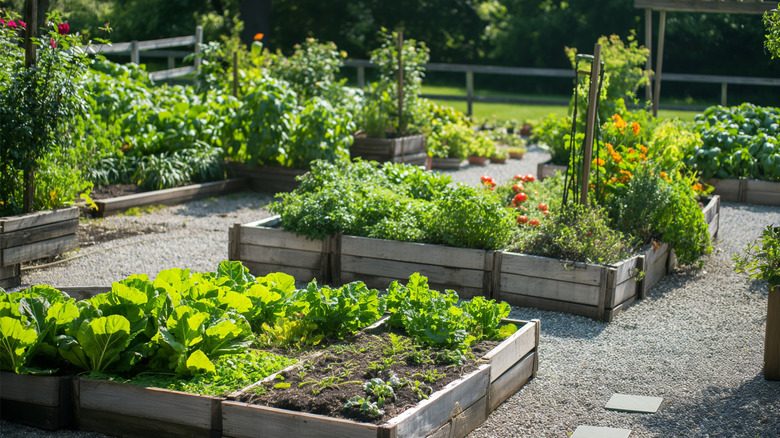
If you're lucky enough to have had a busy growing season, you may, by now, be tired and ready to hang up your pitch fork for a cozy winter by the fire. But don't down-tools just yet. In order to ensure that your patch is every bit as productive next year and that your pantry is kept suitably stocked with an array of home-grown goodies, there are some recommended steps you should take to make sure your vegetable garden is properly prepared for the winter season.
From harvesting your vegetables ahead of the frost and protecting cool-weather crops from the worst that the winter has to throw at them, to mulching, bringing potted plants indoors, and even taking the opportunity to expand your growing space, this guide will set you up for success before saying a seasonal goodnight to your garden.
Harvest the last of your summer and fall vegetables
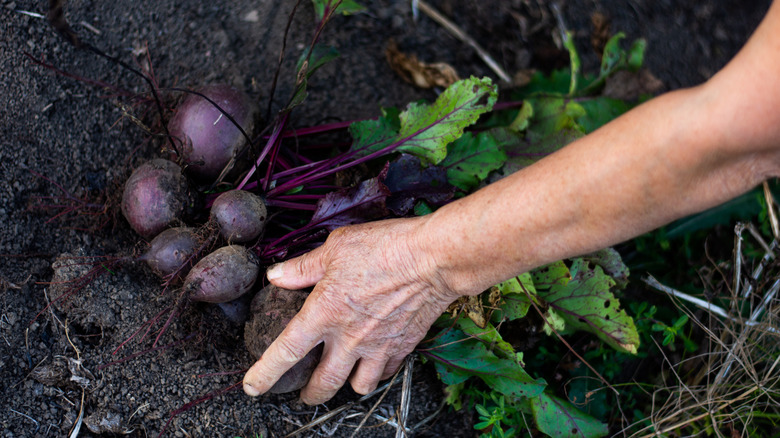
This tip is especially important for those who have frost-sensitive, warm-season produce growing. By removing them from vines and the ground ahead of any forecasted sub-zero temperatures, you ensure that your carefully cultivated goodies end up in the fridge, ready for cooking, rather than perishing where they worked so hard to grow.
Vegetables that are unlikely to survive a frost include tomatoes, eggplants, beans, peppers, potatoes, and cucumbers. While squashes (both winter and summer varieties) and pumpkins can handle a frost or two, the vines can't at all and will die off. So it's best to harvest all squashes and clear the vines (see below) before that first frost. Set any that aren't quite ripe in a sunny window for a few days to finish the process.
If you grow herbs in your vegetable garden, then many of them are likely to fare just fine into early winter, especially if you add mulch around them to protect them from the worst of the frost. Basil is an exception, but don't worry: Freezing being one of the many genius uses for olive oil, all that extra basil can easily be frozen. Finely chop up herb, add it to ice cube trays, top up the cells with olive oil, then freeze for later use.
Bring potted and container plants indoors
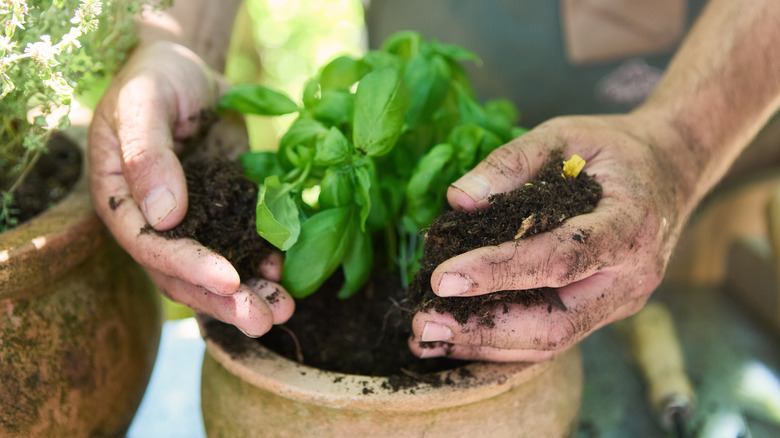
If you had the foresight to plant some of your more precious herbs and vegetables in pots or containers, then protecting them from the worst of the winter weather is easy — just bring them indoors as soon as frost begins to threaten. Winter is especially hard on potted plants. Because they only contain a small amount of soil compared to larger patches and borders in the ground, they are unable to retain as much warmth, meaning all that stands between your plants' roots and the bitter cold of winter is the thin wall of a clay or plastic pot.
Herbs like lavender, sage, and rosemary will be especially appreciative of your hospitality, and are likely to keep thriving for years to come if given annual sanctuary inside. Larger containers can be placed in an unheated garage, which should provide enough of a reprieve from the weather in frosty regions. In all cases, since your pots won't benefit from natural rainfall, you'll need to ensure they stay well watered. Pots only contain a finite amount of soil, and can dry out quickly, placing your plants at the mercy of your diligence.
Remove or move old and annual crops
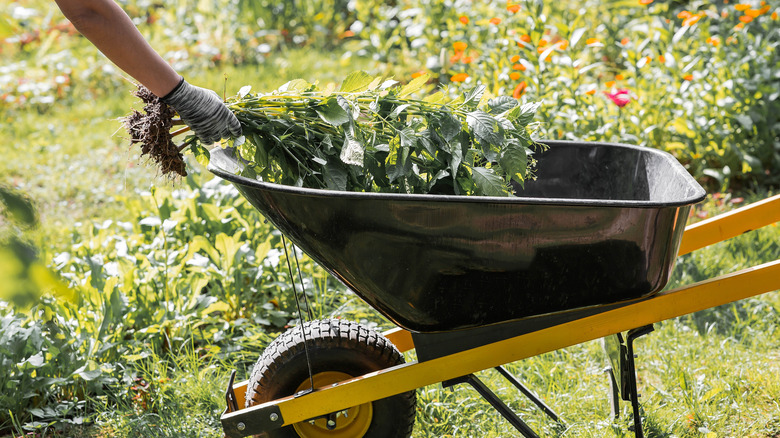
After a warm and productive summer, your vegetable patch is probably starting to look a little tired, with dishevelled summer-growing plants that are starting to shut down with the onset of cooler weather. With winter inexorably approaching, now's the time to remove any debris around these plants to ensure that everything's nice and clean. Doing so will minimize the risk of disease and the number of potential hiding places for pests, helping to keep your vegetable garden in ship-shape for the next growing season.
As for crops that can be removed, research those that you have in your garden to ensure that you don't needlessly remove any perennials. While they may look past their best by late autumn, perennial vegetables will return with renewed vigor the following season as long as they are carefully maintained now and given a protective layer of mulch. But if you have annuals, like tomatoes, beans, or cucumbers, then it's best to remove these before winter. In fact, squash and potato plants won't even survive the first frost, becoming mushy and more difficult to remove. Being annuals, they won't return the following season, and if left in place, could create the perfect conditions for disease and pests. They needn't go to waste: They're perfect for topping up your compost heap (although, depending where you live, many people avoid putting squash, tomato, and potato plants in their compost, as they are prone to mildew, disease, and pests).
Tidy up and pull weeds
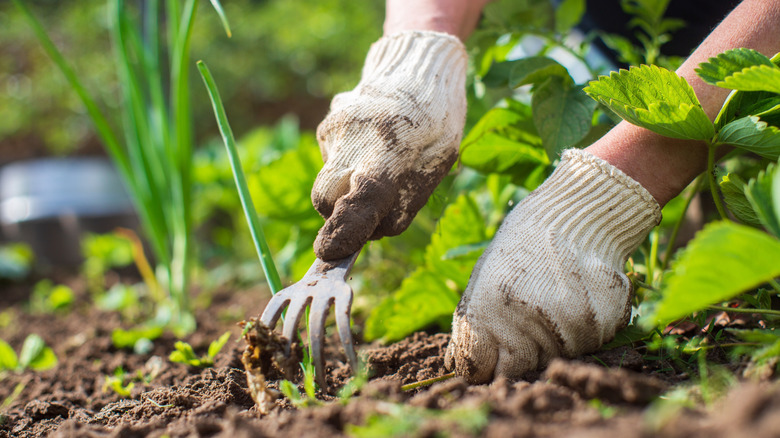
As well as raking your patch clear of any organic debris that naturally collects in the fall, it's a good idea to clear your vegetable garden of weeds and generally ensure it's nice and tidy before putting it to rest for the winter. Pulling up weeds will help prevent them from flowering and spreading seeds the following spring; just try to avoid tilling your soil too frequently, as this mistake can cause weeds to keep coming back. When you till your soil, the process can bring otherwise-dormant weeds to the surface, and while you might initially be left with a lovely, clean patch of soil, you'll probably find weeds have returned with a vengeance the following spring.
If you're not growing any winter vegetables, then it can be worth covering your patch once you've finished removing weeds. Organic mulch is one solution (more on this shortly), but you can also use black plastic or old carpet. These are especially effective on spring and summer vegetable patches. By taking the opportunity to cover your bed during the unproductive season, you'll help to suffocate any low-lying weeds that you might have missed when hand-pulling.
Add a layer of mulch
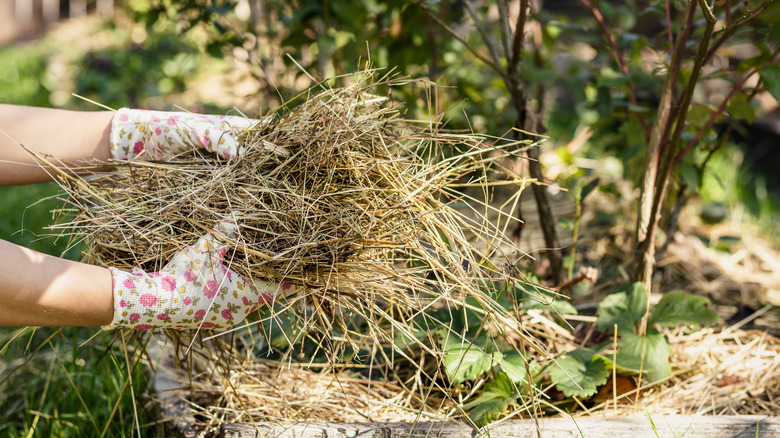
Adding a layer of organic mulch to the surface of your vegetable patch can help to enrich the soil in time for the following spring, especially when you use nutrient-dense mulches like bark. More than that, adding a layer of mulch will help your soil to retain moisture should your winters be especially dry, while suppressing weeds and insulating your plants' roots against harsh winter frosts. It's a great time to add nitrogen rich mulch or compost, which could burn plants in spring if it releases too quickly.
As for which kind of mulch is best for your vegetable garden, it really depends. If you need to keep costs down (and who doesn't?), consider keeping those autumn leaves from around your garden and shredding them transforming fall leaves into instant fuel. You can also use grass clippings to help insulate your vegetable bed. Just bear in mind that grass clippings could well be harboring seeds, which in turn could lead to an invasion of unwanted grass in your vegetable patch. Layering cardboard underneath soil or bark mulch works as both an organic mulch and weed killer. Regardless of your choice, leave uncovered collars around tree roots and large perennial plants, so the roots can breathe.
Perhaps the best choice is compost, in fact it's often considered the first choice for vegetable garden mulching. By its nature, compost is absolutely crammed with nutrients, which it feeds into the soil over an extended period of time. Aim to mulch the top layer of your patch with around an inch of compost, then watch the following spring as your veggies spring energetically to life.
Protect cool-weather crops with polytunnels or frost cloths
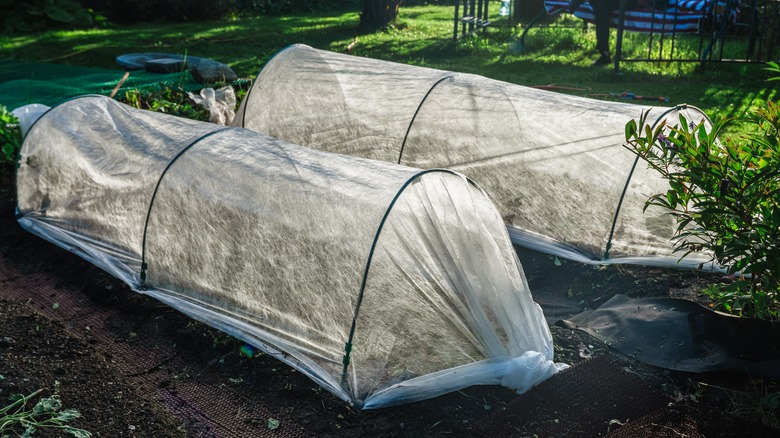
Just because you have cool-weather crops in your vegetable garden, that doesn't mean that they can cope with the worst of the cold. It actually depends on just how cold the winters are in your area. If you regularly experience sub-zero overnight temperatures, then they're likely to need some protection to ensure they survive.
The same is true when trying to prevent frost from harming late-season vegetables, and the solution is quite straightforward — simply cover your whole patch with a low polytunnel, frost cloth, or row cover, depending on the size of your garden. The bonus with this method is that, by providing your plants with shelter, you're keeping them warmer for longer and therefore extending your harvesting season. Think of it like a temporary greenhouse. In other words, instead of having to pick everything at once and risk some of your produce losing its nutrient power, you can leave it in the ground until you're good and ready to cook with it.
For taller plants like Brussels sprouts, of course, a low tunnel might be out of the question. Greenhouses are a good option for more unwieldy plants like this, but if that's not an option, then the least you can do is stake them so that they stand a better chance of surviving strong winter winds.
Protect the soil with a cover crop
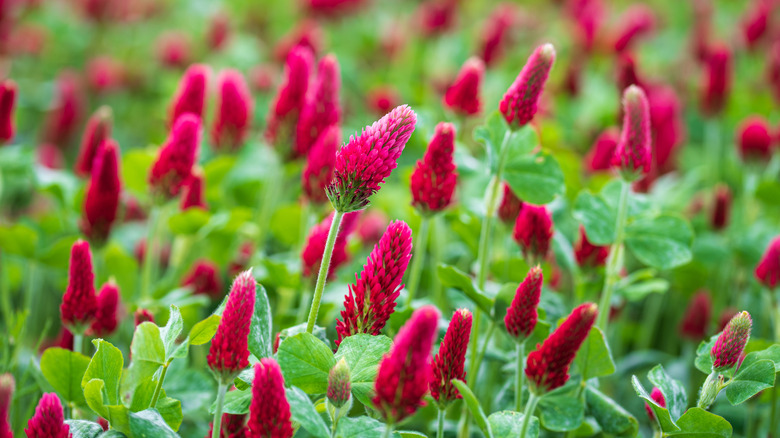
Adding a cover crop is another fantastic way to protect your vegetable patch over the winter months. Not only does it add nutrients and organic matter to the top layer of your soil, which in turn breaks down and continues to feed your other plants, but certain crops can bring visual appeal to a patch at a time when it would otherwise be devoid of life and color.
Before you plant one, it's important to know how to choose a ground cover crop for your garden. While it would be nice to be able to sow the plant you most like the look of, this isn't always possible, thanks to varying winter conditions across individual states and the country. To ensure you get the best results, you should choose a cover crop that's able to cope with your climate, bearing in mind its hardiness against the harshest winter conditions in your area.
There are a number of legumes, ryes, and clovers that work well as winter cover crops. Crimson clover (Trifolium incarnatum) is a good choice, growing well both in the sun and shade, and promising to grow quickly. It'll survive winter lows of down to -1°Fahrenheit, too, and is quite happy in hardiness zones 6-9, and down to Zone 3 in the right conditions. The best part, however, about choosing crimson clover is that when the warmer months arrive, you have a choice: pull up the clover to make way for your new vegetable plantings, or leave it be and enjoy the fiery flashes of red as its flowers come into bloom in the summer. Whatever you choose, plant it well before the first frost, so the plants have time to establish.
Weatherproof your irrigation system
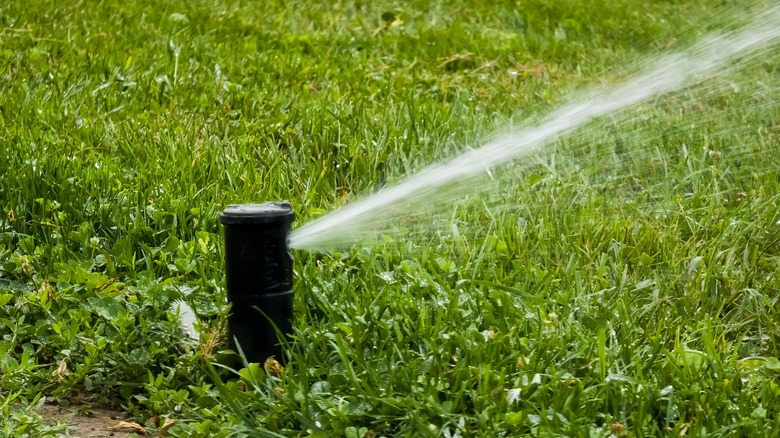
If you've ever had to winterize your outdoor kitchen, you'll know the importance of not forgetting your water lines! In fact, anything in your garden that's fed by your water mains needs to be cleared and switched off before frost starts to threaten. So, while you're preparing your vegetable bed for winter, don't forget about your irrigation system.
Forget, and you might just find yourself faced with a costly repair bill in the spring. Particularly in areas that regularly experience sub-zero temperatures, water lines outside are likely to freeze and crack. Fortunately, this headache is easy to avoid. Clear the pipes that feed your sprinklers, and while you're at it, clear water from any hoses that you regularly use, removing connectors from the wall and ensuring that everything is fully drained.
As for the water supply itself, if you have exposed metal pipes that feed your taps, then try to isolate the water to them. Once that's done, turn on the taps and allow any water that might still be in the pipe to drain out. Protect faucets with covers like the Frost King FC14A foam frost cover, and wrap any exposed piping in foam or insulation and tape for the winter.
Prune back your perennials
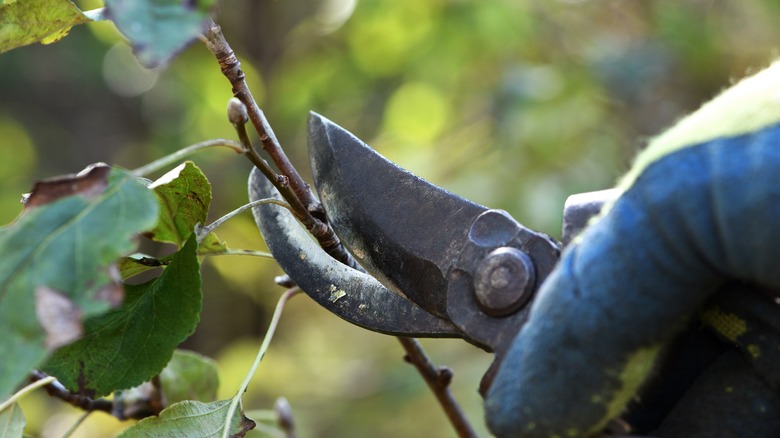
Unlike annual vegetables, which are best to pull from the ground and add to your compost heap, try to avoid removing perennial plants. Instead, aim to protect them from the worst of the weather with an insulating layer of mulch. Of course, if you experience severely bitter winter temperatures, then pulling up perennials, transferring them to a pot and wintering them indoors could well be worth your while. In all cases, whether they're spending winter inside or out, you should consider which plants need pruning.
Timing is everything here; certain plants, like grape vines, tend to bleed sap quite heavily if not pruned at the right time, meaning it's important to wait until mid-winter, when they're fully dormant, before cutting branches away. Autumn-fruiting raspberries, on the other hand, benefit from a hard prune every autumn or winter, as do bushes in the Ribes genus, like blackcurrants and gooseberries.
Why prune your plants, you ask? Well, not only does pruning remove any dead or damaged wood from your plants, minimizing the risk of disease, but pruning can also help to encourage vigorous and productive growth the following season. It's always best to research the particular plants in your patch to ensure you prune them at the right time and to the right level. Some will need to be pruned heavily, while others may just need a light touch-up to remove dead, damaged, or diseased branches.
Plant your winter vegetables
With your low polytunnel in place and ready to protect your summer-yielding perennials, you're also in a good spot to grow some winter vegetables. Now, many of these will need to be planted mid-summer or early autumn, which might mean that you have to strike a delicate balancing act as you try to extract as much nutrient goodness from your vegetable garden without over-planting it. But if you have plenty of room in your garden, there's absolutely no reason not to add some winter-producing vegetables to your annual growing cycle.
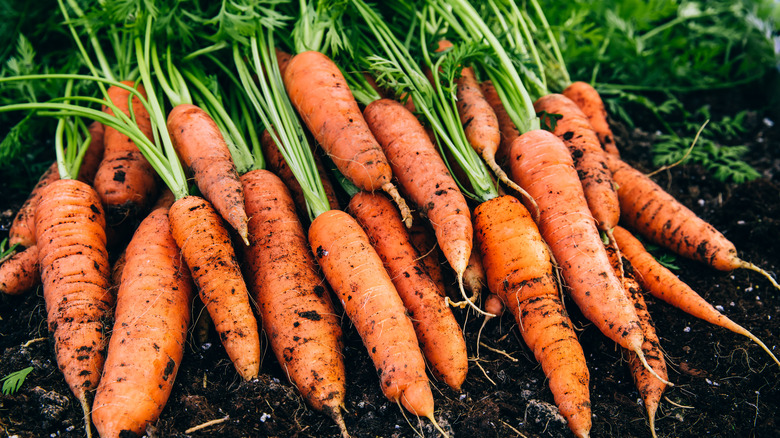
Scallions, bak choi, kale, and spinach are all great winter harvesters, and did you know that you can plant carrots late September for harvesting in the fall? In fact, there are several carrot types that mature surprisingly quickly. Scarlet Nantes, for example, mature in between 60 and 75 days, and can be sown around four weeks prior to your first frost. Carrots can also be left in the ground over the winter and harvested the next spring for some surprisingly tasty overwintering treats.
Consider expanding your vegetable patch
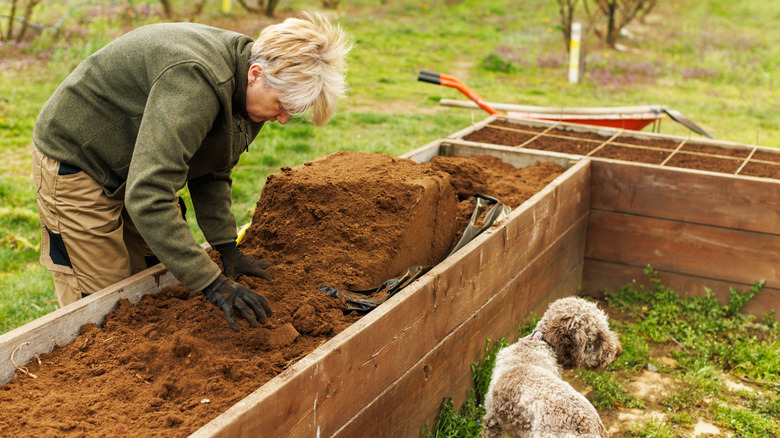
During the summer, when you're busy keeping on top of your warm-season vegetables, you probably don't have enough time to consider extending your growing space, much less creating a new one. But when the late months of autumn and early winter settle in, this stops being as much of an issue. Ior those willing to get out and roll up their sleeves in the cooler temperatures, it can be the perfect time to start planning an expansion.
Now, whether you're extending an existing patch or building a new one, knowing how to plan and choose the best vegetable garden layout is key. Think about how much sunlight your outdoor space is likely to receive, and make sure the soil drains easily while being close to a water source. And don't forget to keep it in sight of your house: Out of sight is out of mind, and adds an unnecessary obstacle in tending and maintaining a garden.
As you're planning your expansion, consider the benefits of raised beds versus in-ground beds. Raised beds can take a while to establish, which is a big tick in favor of those dug straight into the ground. However, once established, it's fair to say that raised beds are easier to maintain, especially if the boundary walls are sunk deeply enough into the ground to prevent incursions from adjacent weeds and grasses. Raised beds also tend to warm more quickly, which can help to kickstart and actually bring your spring growing season forward each year.