

How To Choose The Best Type Of Wood For Your Window Boxes
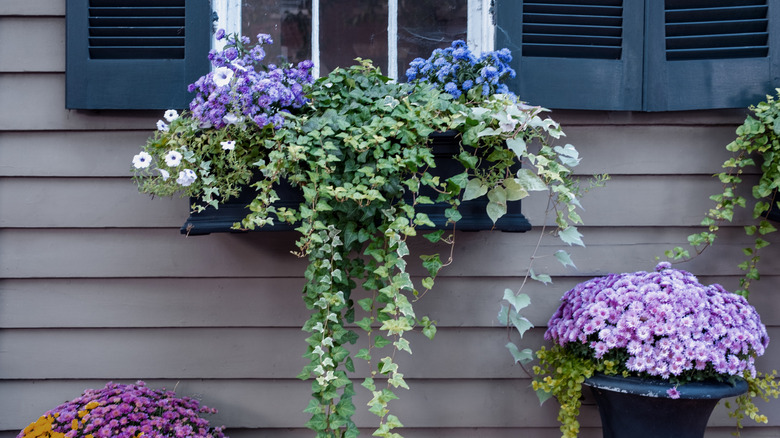
Window boxes are an elegant and time-honored way of adding greenery to your home. Often made of wood, they sit underneath the outer windowsills and can be filled with any number of different flowers, herbs, and even birdseed — if you want a quick, fun way to bring some beneficial birds to your yard. Window boxes also make for a great DIY project that you can complete in an afternoon. The question before you is this: What type of wood do you use?
There are a couple of different directions you could go. You can transform an old wine box into a new planter, or you could choose to make one from scratch based on your own design. If choosing the latter, one obvious decision is to use cedar. If you're not sure how to choose between red and white cedar, it's worth knowing that both are easy to work with, rot and pest resistant, and extremely durable against the elements.
Though cedar tends to be more expensive than other wood options, it is incredible in terms of long-term value for cost. One con is that, over time, the cedar will lose its natural color. You can attempt to prevent this by adding yearly treatments of sealant, but, eventually, your cedar box will become weathered and gray. Mind, this is only cosmetic, and it will not affect the wood's strength whatsoever.
Alternative woods for your window boxes
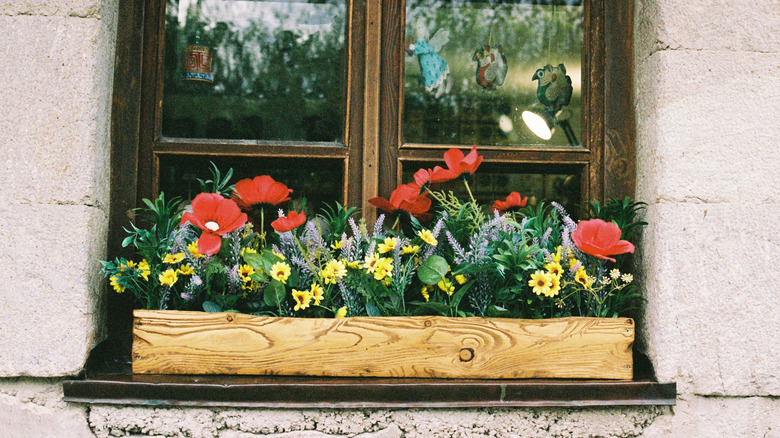
While cedar might be the go-to for building window boxes, there are other excellent, long-lasting alternatives that will work just as well. Black locust is perhaps the best of these. It is sustainable and chemical free, and it enjoys an incredibly long lifespan. It's also rot resistant, and it has a distinct grain and color that many people find appealing. However, there are a few drawbacks. For one, black locust is notoriously heavy and difficult to work with using hand or power tools. Second, it's more expensive and harder to find than other wood types.
Readily available wood would include species like hemlock, white oak, Douglas fir, and teak. All are excellently durable, but do come with some drawbacks. White oak, for instance, is incredibly solid and tough to work with. Pine is easier to use, but far less durable. It can also be tough to find pine lumber that hasn't been chemically treated, and you want untreated wood for your planter boxes, as this means no chemicals will leach into the soil and harm your plants.
Another issue with pine is that it can warp and crack easily, meaning you will have to replace pieces sooner than you would with other types of wood. You also don't want to use any type of particle board, plywood, or wood products made with adhesive. Also, avoid species like black cherry, yew, and hickory, as they have natural toxins that will harm the plants in your window boxes.