

Perennials You Should Consider Pruning During The Fall Months
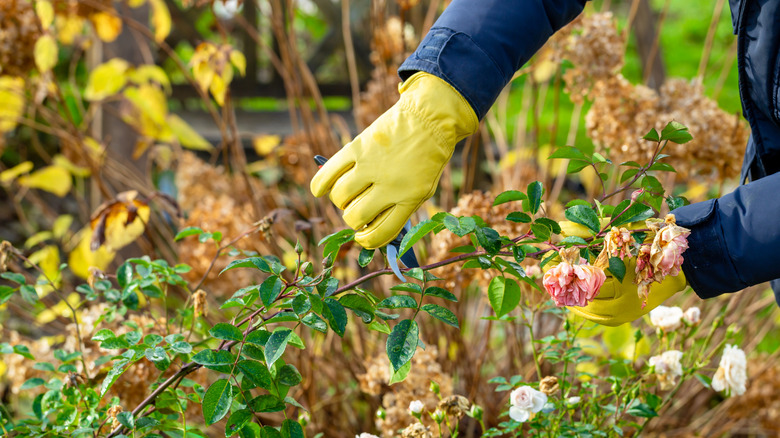
As fall settles in and garden beds start to fade, it's tempting to pack up your tools and let nature take its course. But before you stash your shears for the season, there's one last task that can make a big difference come spring: pruning. For certain perennials, a fall cutback isn't just about keeping your garden tidy — it helps prevent disease, discourage overwintering pests, and sets your plants up for stronger, healthier growth when the weather warms up.
That said, timing and technique matter. Cut too early, and you risk stressing any plants that are still storing up energy for the winter. Leave diseased or damaged foliage, and you may reintroduce those same problems in the spring. And how does climate factor into the equation? In wet regions, debris is more likely to trap moisture and invite rot. Whereas in drier zones, some foliage may help shield a plant's crown from frost.
The key is knowing which plants actually benefit from a fall cleanup — and how to do it correctly. That includes recognizing which perennials are better left alone until spring, since cutting the wrong plant at the wrong time can do more harm than good. Whether you're dealing with mushy leaves, mildew, or just want to avoid a soggy mess under the snow, a smart fall prune can mean the difference between sluggish spring growth and a full-on garden comeback.
Bee balm (Monarda spp.)
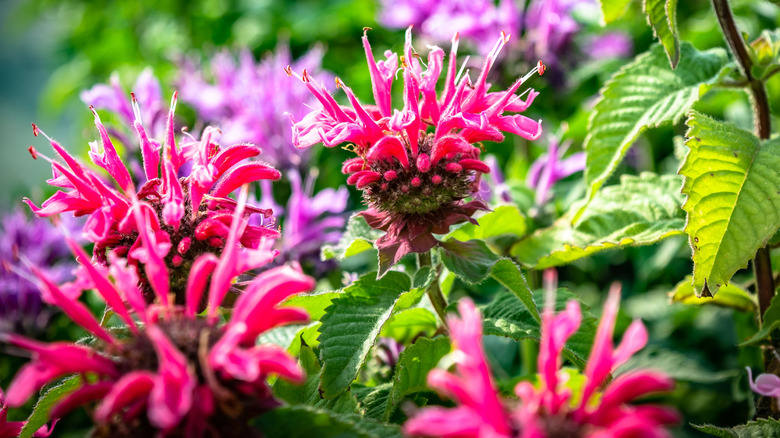
Bee balm is one of those garden headliners that steals the show in summer — only to fade fast in the fall. As temperatures drop, the fireworks are long gone, and what's left is often a patch of tired stems and mildew-covered leaves. That powdery mildew isn't just an eyesore, by the way — it's a problem. Fungal spores can overwinter on dead foliage, making it more likely your plant comes back sick in spring.
Pruning bee balm in the fall helps break that cycle. By removing infected growth now, you reduce disease pressure and give your garden a healthier head start. Plus, since bee balm is a major magnet for butterflies, bees, and hummingbirds, you'll want it looking and performing its best when the next bloom season rolls around. A proper cutback also encourages stronger, more vigorous shoots come spring — without the delay of battling leftover mildew.
The best practices are simple: wait until the first hard frost, then trim stems down to 2–3 inches above the soil line. Bag and discard clippings — especially if mildew is present — instead of composting. It's also smart to disinfect your shears before and after pruning to avoid spreading fungal spores between plants. Finally, if your bee balm is especially prone to mildew, improve airflow by clearing out nearby dead material.
Hosta (Hosta spp.)
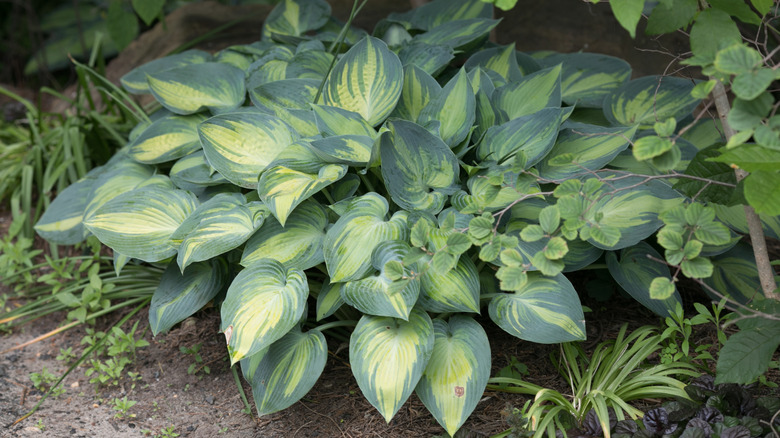
Once frost hits, hosta collapses into a mushy, slimy mess — making it the perfect welcome mat for slugs, snails, and other pests. Beyond the gross factor, there's a bigger concern: all that decaying leaf matter provides cozy overwintering spots for disease-causing organisms like foliar nematodes and fungal spores. Clearing out the dead growth now helps cut down on pest pressure and disease risk, while keeping your garden beds looking clean for winter. Plus, hostas are a favorite for hummingbirds, so keeping them healthy pays off big when bloom season returns.
When the leaves have fully yellowed or crumpled after the first hard frost — that's your signal to prune. For the best results, trim each stem down to just above the soil line, using clean, disinfected shears, especially if your hostas have shown signs of mildew or spotting. And instead of tossing those clippings in the compost, play it safe and dispose of them with your yard waste. This is also a great time to eyeball spacing. If clumps are overcrowded, mark them for division in the spring.
In colder zones, trimming back slimy foliage before it freezes solid can help prevent it from matting down and smothering the crown. And if you're gardening in a warmer climate where frost is slow to arrive, don't wait too long — fading leaves can still invite rot if left unchecked. In other words, clean fall pruning now means stronger, fresher foliage later — and a smoother start when things finally thaw.
Garden phlox (Phlox paniculata)
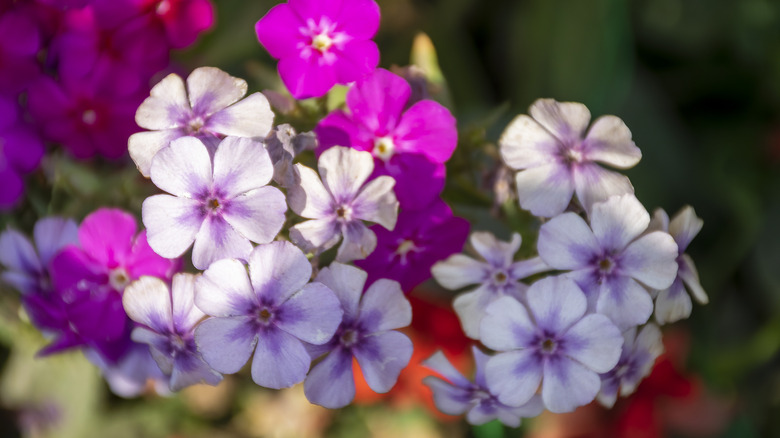
Garden phlox is beautiful in bloom but is notoriously prone to powdery mildew by late summer or early fall. Infected leaves and stems can harbor fungal spores through winter, setting the stage for reinfection in spring — even if you rotate your plants. Cutting back top growth in the fall helps break that disease cycle and gives your phlox a clean slate for next season.
For the best pruning results, wait until the foliage starts to fade, wilt, or show signs of spotting — especially if mildew is present — then trim stems down to 1–2 inches above the soil line. If you live in a humid area where phlox is even more prone to fungal issues, thinning out surrounding plants can improve airflow and make a big difference next season. And if you're dealing with recurring mildew, it's worth deadheading blooms earlier in the summer to reduce stress and disease pressure before fall even hits.
One common mistake is pruning too early, while leaves are still mostly green. That can interrupt the plant's natural energy storage process and weaken next year's growth. Prune at the right time, and garden phlox typically rewards you with stronger regrowth and cleaner foliage in spring. It's also a pollinator favorite – so keeping it healthy doesn't just benefit your beds, it supports the entire ecosystem.
Peony (Paeonia spp.)
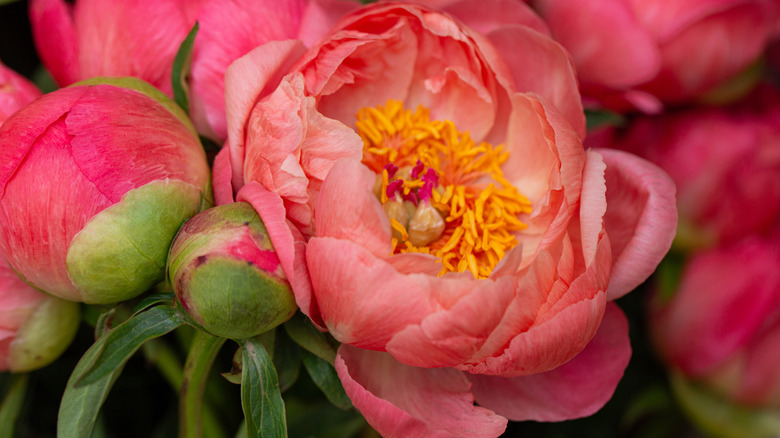
Peony foliage often yellows, wilts, or shows black spots by late fall — signs not just of aging, but of fungal issues like botrytis blight. If infected leaves and stems are left standing, they can harbor spores through winter and trigger reinfection in spring. Cutting peonies back in the fall helps reduce disease pressure, so you can expect healthier growth and bigger blooms next season.
But what if you're not sure exactly when to prune? Watch the foliage — when leaves are fully wilted, blackened, or collapsing. With peonies, it's super important to cut stems all the way down to the soil, as close to the crown as possible. Don't leave partial stubs behind, since they can harbor rot. And because botrytis spreads easily, always disinfect your shears between cuts to avoid carrying spores from one clump to another. Then bag or dispose of clippings — even a few infected leaves can set you back next year.
Beyond timing, another common mistake is pruning too early, before the foliage has fully died back. That robs the plant of valuable nutrient storage time it needs to fuel next spring's growth. If you've battled recurring botrytis, you can also apply a light mulch after pruning to help suppress spores – just keep it shallow around the crown to prevent excess moisture. With those bases covered, a clean fall cutback lets your peonies channel energy into their roots all winter, rewarding you with stronger stems and fuller blooms when spring has finally sprung.
Daylily (Hemerocallis spp.)
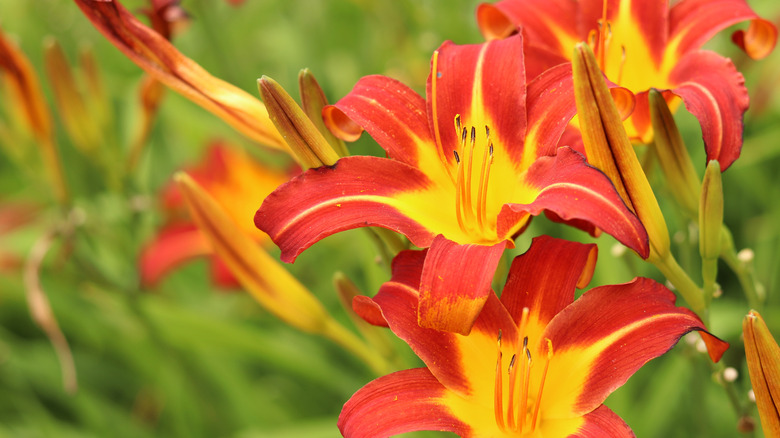
Daylilies die back on their own, but after a hard frost, the spent foliage turns brown and messy. While pruning isn't strictly necessary, it can help reduce issues with slugs, insects, and fungal rot. It also improves airflow, cuts down on hiding spots for pests, and lowers the risk of crown rot through winter. And come spring, trimmed plants bounce back faster, producing cleaner, healthier shoots without last year's decay in the way.
Your main cues are browning or collapsing leaves around the crown — especially in colder zones, where that foliage tends to mat down and trap moisture. Slug damage, mold, or mushy texture are other clear signals it's time to prune. If frost has blackened the leaves, that's another green light. Just be careful not to cut too short. Leave 2-3 inches above the soil to protect the crown, and always clear away debris to keep moisture from lingering. Healthy clippings can go to the compost, but discard anything that shows disease or pest damage.
Daylilies are tough plants, but they're not invincible. In wet regions, rotting foliage left over winter can smother the crown, while in warmer climates, some gardeners leave a bit of the top growth to act as insulation. If your clumps are overcrowded, fall is also a good time to mark spots for spring division.
Yarrow (Achillea spp.)
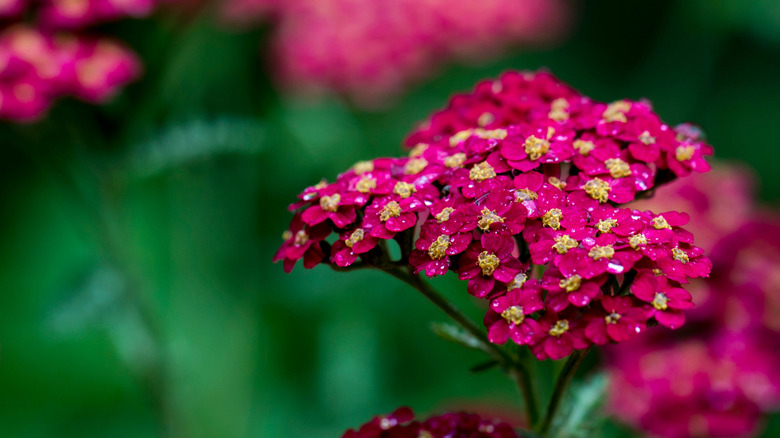
Yarrow is a summer standout — not only for its fern-like foliage and bright blooms, but also because it's a perennial that deters mosquitoes. By fall, though, it starts to look rough around the edges. The stems go woody, flower heads turn brown and floppy, and the plant begins to crowd at the base. Left standing, that mess can trap moisture, leading to matting, mildew, and even crown rot – especially in wetter climates. A fall cleanup helps reduce disease pressure and encourages sturdier plants and stronger blooms next spring.
That's why you want to keep an eye out for dried stems, browned flower heads, or dense, tangled growth at the base – those are all the signals it's time to prune. Trim stems down to 1–2 inches above the soil and clear away debris around the crown to improve airflow. But there is one mistake you want to avoid: cutting too early. Yarrow uses its foliage late into the season to store energy, so wait until leaves fade or brown before breaking out the pruners.
How you handle the crowns depends on your climate – and sometimes, a little trial and error. In colder regions, a full cutback is the safest bet to prevent rot and winter damage. In warmer or drier zones, leaving a small amount of basal foliage can insulate the crown and help retain soil moisture. With the right timing and cleanup, your yarrow will come back stronger and bloom more reliably year after year.
Lungwort (Pulmonaria spp.)
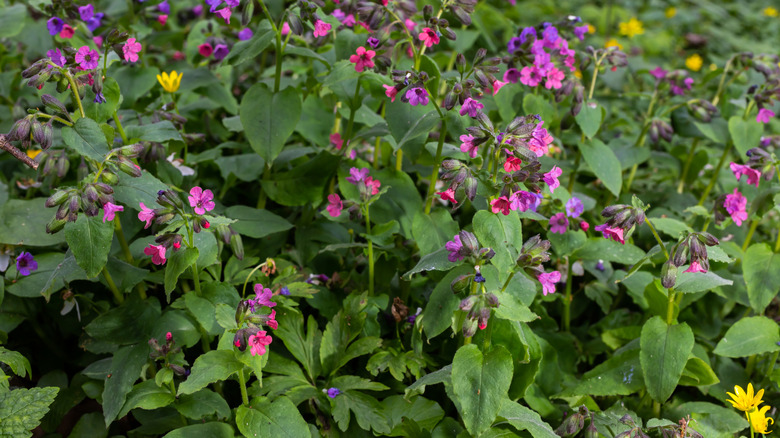
Lungwort's silver-speckled foliage is a spring showstopper, but by fall, it usually looks worse for wear. Leaves often turn tattered, wilted, or develop powdery mildew and rot — especially in shady or damp spots. And when that happens, slugs and insects aren't far behind, taking advantage of the decaying mess. A fall cutback not only helps reduce pest and disease pressure, but also lets the plant conserve energy for root health and winter survival. Come spring, the payoff is cleaner, fresher growth without last year's mildew dragging things down.
The signs are easy to spot: yellow leaves, browning patches, mildew spots, or outright collapse. When you see them, trim the foliage down close to the crown. You always want to clear out spent or diseased material and discard it, especially in wet climates where fungal spores linger in garden debris.
Lungwort is semi-evergreen in milder zones, so you may be tempted to leave foliage standing. While that works in some gardens, in colder climates, trimming helps protect the crown from rot when snow and ice pile up. A light mulch can help insulate roots, but avoid heavy coverings that trap moisture. Done right, your lungwort will bounce back strong, showing off its trademark spotted leaves as one of the first splashes of color in spring.
Shasta daisy (Leucanthemum x superbum)
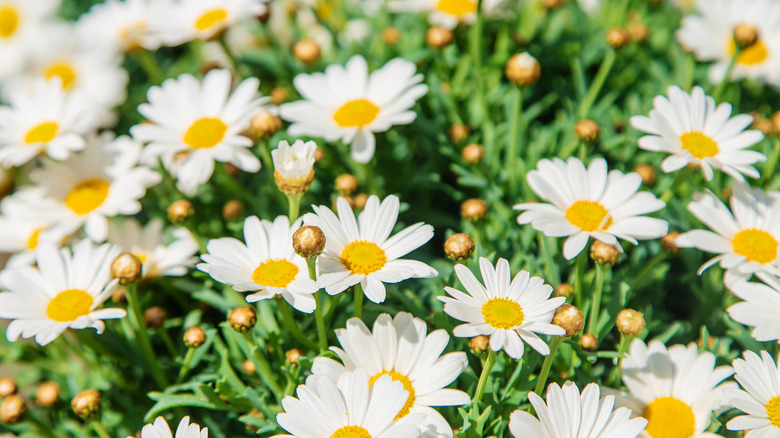
After blooming, Shasta daisies leave behind tall, hollow stems and browning flower heads that quickly lose their charm. These brittle remnants don't just look rough — they can harbor overwintering pests like slugs and other pests. Left standing, the stems can even increase the chance of crown rot in moist conditions. A quick fall cleanup doesn't just tidy the bed, it helps prevent disease and keeps things from turning into a soggy mess under winter mulch or snow.
The signs it's time to prune are easy to spot, with stems turning brown, flopping, or going mushy at the base. At that point, cut everything down to 1-2 inches above the soil to clear out decaying material and improve airflow around the crown. Don't leave hollow stems too tall, since leftover debris can retain moisture. And while you're at it, clear away lingering debris and disinfect your shears if you've seen signs of pests or rot — better to stop problems now than carry them into spring.
Climate plays a role, too. In colder zones, a full cutback is the safest choice to protect the crown through freeze-and-thaw cycles. In milder climates, you can leave a bit of basal foliage for insulation and to reduce frost heave. Either way, fall pruning gives your daisies a clean slate, making it easier to spot fresh shoots when they pop in spring. Pair that with occasional division every few years, and you'll keep this perennial blooming beautifully season after season.
Iris (Iris spp.)
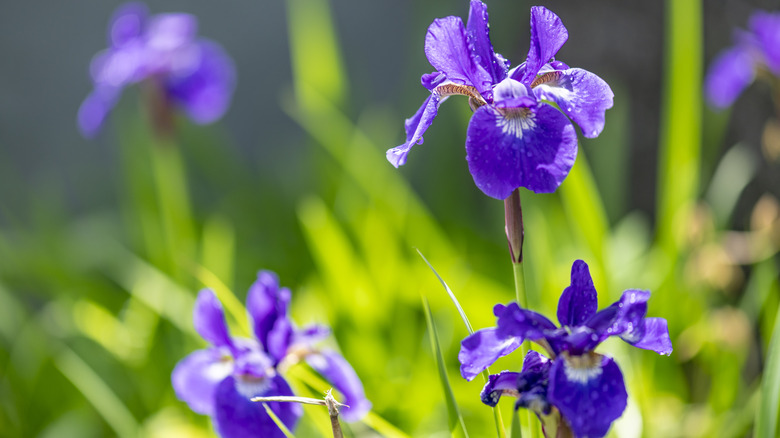
After a frost, iris foliage tends to yellow and wilt — and if left standing, creates the perfect conditions for soft rot and iris borers to settle in for winter. Fallen leaves can also smother the rhizomes and block airflow, raising the risk of fungal disease. A fall cutback reduces those threats and encourages sturdy foliage and stronger blooms next spring.
So how do you know when it's time? Keep an eye out for browning, collapsing foliage, or any signs of pest damage or soft rot near the crown. Once those appear, trim the leaves down to about 4–6 inches above the soil. That keeps the crown exposed, promotes airflow, and helps prevent moisture from pooling where you don't want it. A common mistake is cutting too short, which exposes the crown to freeze damage.
Of course, your approach might change slightly depending on where you live. In colder zones with heavy snow, trimming foliage before it freezes flat prevents it from smothering the crown. In milder or windy regions, leaving a little more top growth can help shield rhizomes from winter stress. For extra insurance in harsh winters, you can apply a very light mulch — just enough to buffer the cold without trapping moisture. With a little attention now, your irises will reward you with fresher foliage and cleaner blooms once the weather warms.
Salvia (Perennial varieties, Salvia spp.)
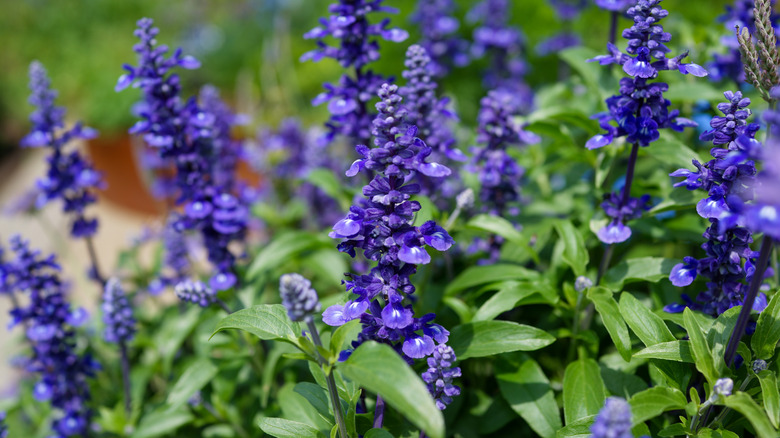
By late season, perennial salvias usually look leggy, woody, or downright spent — with blooms long gone and foliage starting to sag or brown. Old stems may turn brittle or hollow, raising the risk of winter dieback, especially in wet or windy conditions. Pruning in the fall resets the plant and channels energy into the roots, helping it bounce back with new growth in spring.
Knowing what to look for is half the battle. Browning stems, spent blooms, or stalks that flop or snap easily are all clear signals it's time to prune. Cut stems down to about 2-3 inches above the crown to leave enough protection for overwintering. In colder zones, you can leave a little more top growth or add a light mulch for insulation. In hot or dry climates, that extra foliage also helps shield crowns from sun and wind.
Fall pruning is also a great time to plan ahead. If clumps are getting woody or overcrowded, mark them for division in the spring. A quick top-dress of compost after pruning can also help recharge nutrients for the next bloom cycle. Not only are salvias loved by cardinals, but they're true pollinator magnets since bees, butterflies, and hummingbirds can't resist them. Taking care of them now means you're setting up a comeback season backed with flowers and buzzing visitors.