

What Outdoor Enthusiasts Should Know About The Recent Roadless Rule Rollbacks
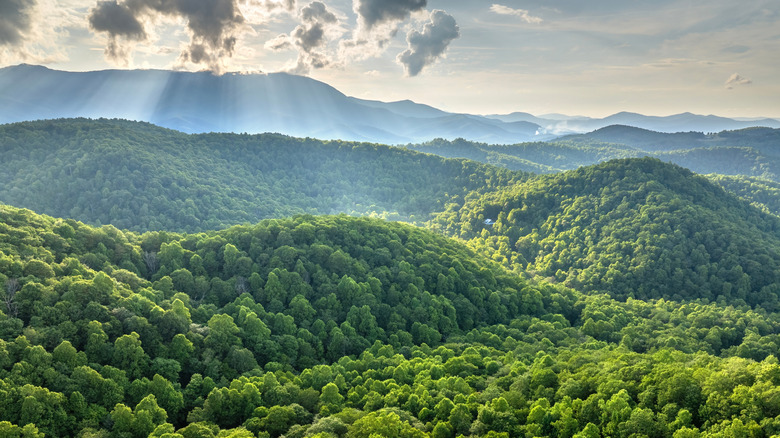
Every year, many people visit national parks and forests across the United States, taking part in events like National Public Lands Day and enjoying miles of pristine wilderness. Various laws and policies protect these places, but a recent change has been causing a bit of a stir. The 2001 Roadless Rule was created to limit the amount of development allowed in national forests and grasslands. In addition to prohibiting the construction of roads, it also prevents logging. The recension of this would leave millions of acres of land open to timber harvesting and road construction at the discretion of local forest officials.
The push to remove the rule is part of an ongoing effort by the Trump administration to increase logging on federal land. Officials claim that removing the rule would decrease the risk of wildfires and allow firefighters to fight fires more effectively when they occur. However, the National Park Service states that roughly 85% of fires in wild areas are caused by human activity. Increasing human activity in wild areas increases the risk of wildfires. Additionally, natural fires in remote areas are often better left to burn, as they serve an important role in the ecosystem.
Adding roads to these areas also poses a threat to endangered wildlife. There are many unique species to look for while hiking, including rare or endangered animals that live in our national and state parks. Over 500 species of protected animals living in these roadless regions would be threatened by new roads or logging projects.
What next for the Roadless Rule?
Removing the 2001 Roadless Rule is a big change, and it can't happen overnight. While the process has been started to rescind it, there is still a chance to stop this from happening. A public comment period earlier this year collected opinions from citizens. Hundreds of thousands of people spoke out against the proposed change, and the government does have to take this into account. According to the Administrative Procedure Act, the government has to address any meaningful concerns raised by the public before the change can be fully implemented. They are expected to release an environmental impact statement by March 2026.
As disheartening as the proposed rule change is, there is still a chance to help improve the situation. Environmentalist groups are preparing to fight the rule change in court if necessary. You can help by making your voice heard at future public comment opportunities, as well as by contacting your representatives to encourage state policy changes to protect the environment. Continue supporting your local public lands by visiting them, educating yourself and others, and using sustainable camping and hiking practices whenever you can. By working together, we can ensure that these wild spaces are preserved for future generations of humans, animals, and plants to enjoy together.