

Why You Should Consider Building Garden Beds During Winter
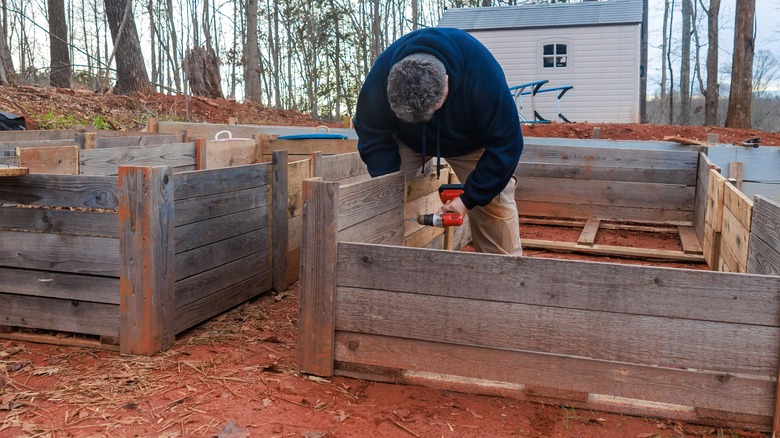
When the fall harvest is complete and the air turns cold, gardeners are usually in the process of preparing their gardens for the long winter ahead. They pull old vegetables and flowers, set up protection around their perennials, plant cover crops, and do any last-minute maintenance on their garden beds. Most gardeners are probably not thinking about building or establishing brand new beds when winter rolls around. But maybe they should.
For more information on why winter is an excellent time to build garden beds, Outdoor Guide spoke with gardening expert Paris Lalicata, Head of Plant Education and Community at The Sill. Lalicata believes that winter is the perfect time of year for gardeners to get ahead of the multitude of chores that come in the spring.
"I think building garden beds during the winter, especially raised beds, is a good time because it gives you an opportunity to get ahead on prepping for the next growing season so you can focus on planting," she says. Another benefit is that most of the supplies you need for building garden beds are cheaper in the winter, and you won't be battling fellow gardeners for materials. You can also use the late winter time to get your seeds started while you're putting the finishing touches on your beds — that way, your plant starts will be ready for sowing when the weather warms up. Lalicata also recommends "a combination of potting mix or topsoil and organic matter (compost, well-rotted manure, leaf mold, etc.) to fill the beds and add a layer of mulch on the top." This will protect the soil over winter.
How to establish a new garden bed in the winter
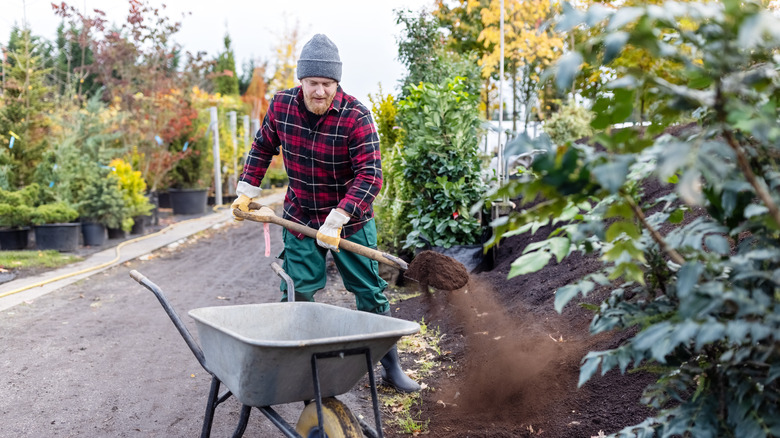
If you've ever wondered whether to build raised beds or in-ground beds, it's worth noting that a raised bed is going to be a lot easier to make than an in-ground bed in the winter. As Paris Lalicata explained in an exclusive conversation with Outdoor Guide, "It may be challenging if the ground has already frozen, which makes it hard to dig." Still, it's not as though you can't make an in-ground garden bed in the winter. Instead of trying to dig in frozen ground, Lalicata states that you can "create beds with layers of cardboard and organic material (I've used wood chips and leaves!) to prevent plants from growing in those areas, which also enriches the soil and improves its structure as it breaks down."
As Lalicata noted, building a new bed when you aren't on a planting deadline gives you more time to get things done. If you are able to get all this done in the winter, then the spring planting season should be your easiest ever. As Lalicata says, "Come spring, I just add some compost, dig my holes for planting, and define the edges of the garden beds." No matter what type of garden bed you create, Lalicata says it's key to use "durable materials when constructing your beds that [suit] your local climate," such as "rot-resistant wood or metal structures." This will ensure your garden bed will last for years to come.