

Deer-Resistant Plants You'll Definitely Want In Your Garden
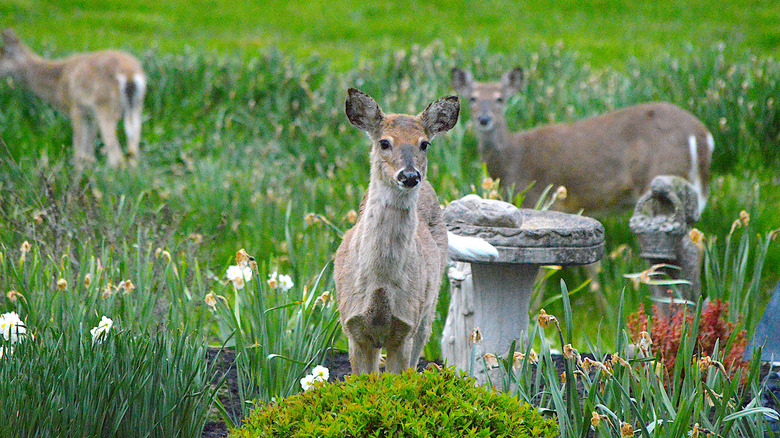
Deer are lovely creatures, but left unfettered, they can do some damage to your garden. If you're lucky enough to live in an area where these charming herbivores roam, you may need some tips to keep them out of your beds humanely and naturally. Unless your area is going through a drought, these animals are pretty selective grazers that prefer specific plants like daylilies and honeysuckle, so planting things that turn them off is one easy approach. It's important to note that, while deer tend to avoid vegetation with hairy leaves and poignant odors, under the right food-scarce conditions, they may decide to nibble on a few of your deer-resistant staples.
Even if you're a novice gardener, you may want to add a few graze-curbing plants to beautify and colorize your beds. Many of our picks serve other terrific purposes as well, from a long-lasting bouquet to a bold culinary seasoning. All you need to set you up for success is our guide and an understanding of your area's plant hardiness zone. So, if you want to critter-proof your yard as best you can, ditch the repellent spray from your local garden center, and take advantage of these ten deer resistant plants you can grow yourself.
Allium (Allium spp.)
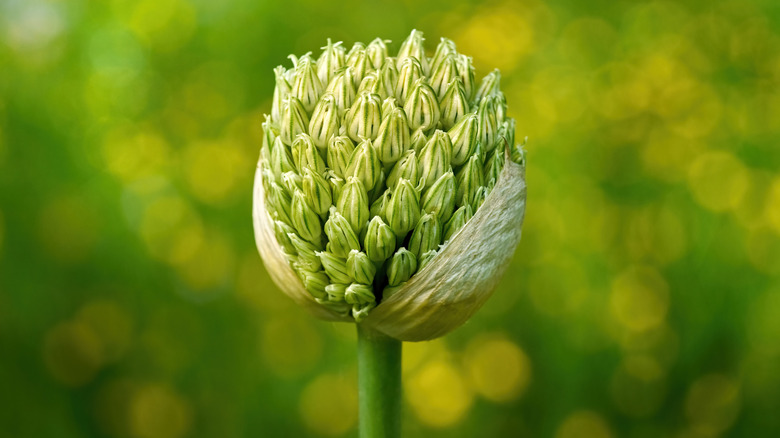
Our battle against these four-legged garden invaders starts with allium. These flowering onion plants are kin to garlic and shallots, and deer don't appreciate the powerful scent as much as we do. With luck, they'll more than likely pass these pungent blooms up for something in your neighbor's yard that's a little more appetizing.
Allium does well in a wide range of states that fall into zones 3 through 8, from Alaska to Texas. It puts its pretty ball-shaped purple flowers on display in late spring and early summer. Plant bulbs directly in the ground during the fall or add them to your favorite pot. Just make sure it's in an area that gets full sun for about six hours a day. With its grass-like foliage, it makes a striking scene along garden borders. Plus, you can cut allium blooms and dry them for a pretty indoor bouquet that lasts long after those buds on the stem have faded.
Buttercup (Ranunculus spp.)
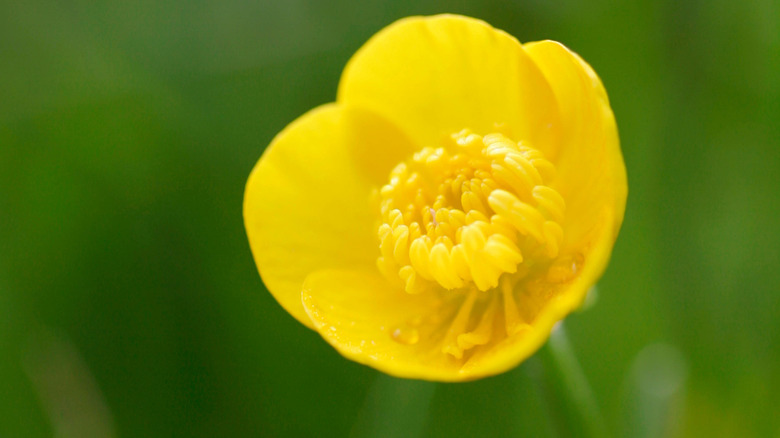
A big 10-point trophy buck is something many of us outdoor enthusiasts long to see in the wild. But when you see him munching on your carefully cultivated azaleas fresh from the nursery, you're probably going to feel a bit frustrated at the sight. Avoid planting flowers that attract deer to your yard and opt for buttercups instead. Its pretty yellow blooms make a terrific addition to your rock gardens with a bonus feature: It's toxic to deer due to the chemical ranunculin, so the animals won't munch on these plants.
These spring beauties do well in dry, poor quality soil, making them an ideal choice for gardeners who don't want to mess with fertilizer. Plant buttercups in U.S. southern and west coast zones 8 through 10 and always in an area of your garden that sees plenty of sunny days. Its five-petaled flowers are an excellent choice for long lasting bouquets, but don't expect them to hang around all summer. Once temperatures top the 70 degree Fahrenheit mark, it's time to say goodbye until this perennial sprouts again next season.
Catmint (Nepeta spp.)
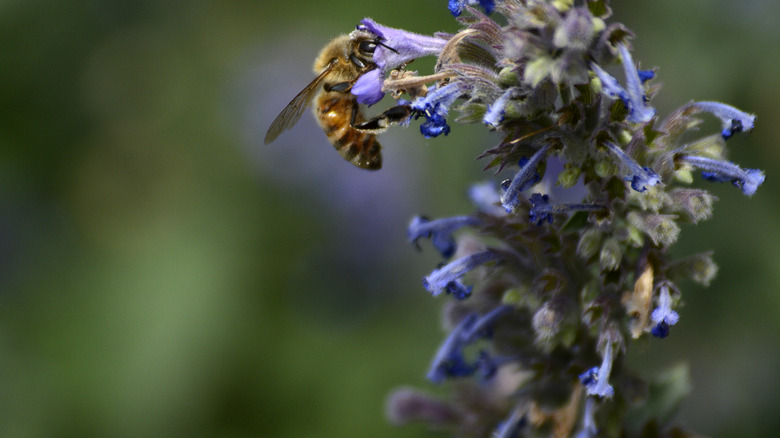
Catmint is a fragrant herb in the mint family that's thought to keep deer at bay because of its strong scent and fuzzy foliage (it's closely related to catnip). These animals typically find hairy leaves pretty unpalatable, and who can blame them? Some varieties of catmint don't grow very tall, making them the ideal flowering plant to hedge walkways where it can languish in the sun. Because it's a perennial, you can enjoy its pretty purple-hued flower spikes year after year.
Catmint thrives across most of the 48 continental states in zones 3 to 8, where you're likely to encounter a few white tails chomping on garden greenery. It puts out its blooms in the early summer and lasts until the first few weeks of fall (when conditions are just right), attracting bees to your garden all season. It's surprisingly low maintenance, too. If you don't have a ton of time to devote to watering your deer-free garden, consider planting some heat- and drought-tolerant catmint.
Hellebore (Helleborus orientalis)
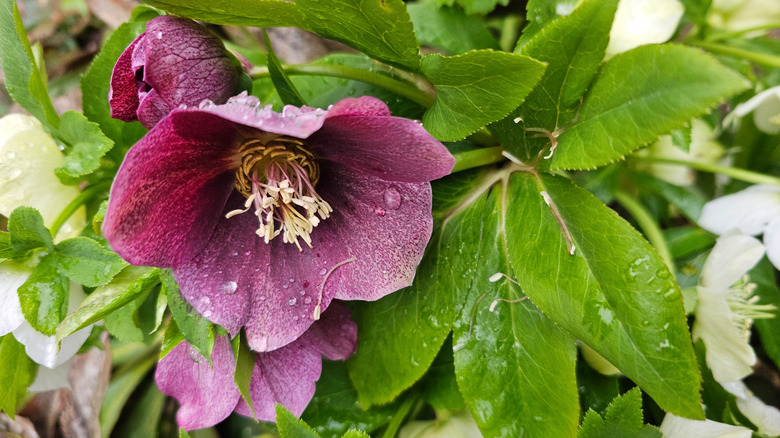
Since you're on the lookout for a few different plants that deter deer, consider hellebore. Commonly called Lenten rose, it's another low maintenance staple for deer resistant gardens. Its leathery foliage is poisonous to mammals, including the antler bearing kind. So even if a deer takes a nibble or two, they probably won't be back thanks to this plant's nausea-inducing glycosides.
Hellebore is one of the first flowering plants to wake up, often as early as late winter. How wonderful it is to see it popping up through the snow before the rest of your garden transitions to springtime. Put these clumping evergreens down in shady spots under your deciduous trees. It may survive in a sunny area as a frontal border, but it'll require continuously moist soil. Hellebore can be quite floriferous and continues to display its wide range of colorful blooms until summer. So, if deer are a garden pest where you live in zones 4 to 9, sow a few of these woodland perennials and keep your fingers crossed.
Iris (Iridacea spp.)
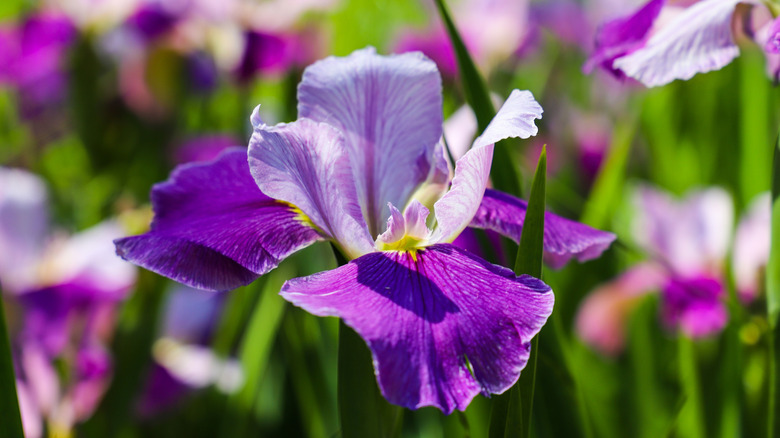
Deer can be a real nuisance when you're trying to cultivate some color in your garden, but typically their menu doesn't include easy-to-grow irises. Even if a doe takes a couple bites, its tough, grass-like leaves aren't the choicest plants to graze on, so they may be tempted to move on to greener pastures. Irises make a big statement in your beds, with their flamboyant, stately blooms. It's a fuss-free plant for novice gardeners as it requires little care. Just make sure to avoid overwatering this pick, as it won't thrive in wet conditions.
Irises are a family of flowers, and depending on the type you sow, it does well in zones 3 to 9 or 5 through 9. Whether you live in the cold regions of the country like Minnesota or warm, humid areas, like Florida, you can find an iris that works well in your climate. Put these Greek goddess namesakes outside in spring and interplant them around your beds with daffodils or black-eyed Susans.
Lavender (Lavandula spp.)
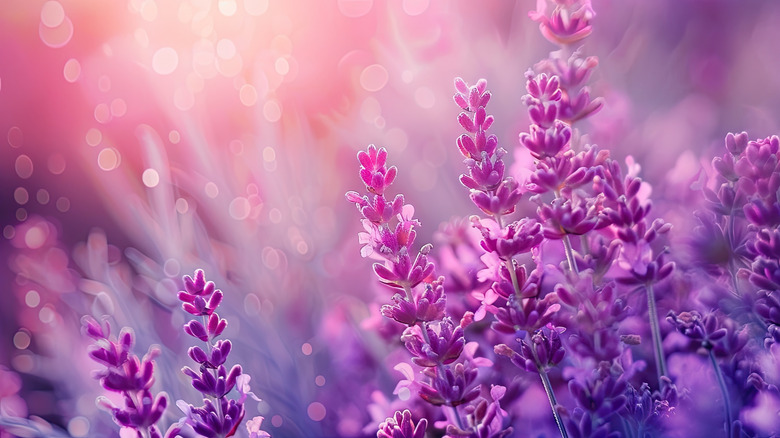
Although many of us two-legged gardeners relish the unmistakable scent of lavender, deer don't seem to feel the same way. This aromatic, pest-repelling foliage has a bitter-tasting oil as part of its natural defense mechanisms, so plant lavender in your herb garden and let it do its magic. It's very picky about its sunshine though, so make sure it's not shaded by trees or structures. This plant is also drought tolerant for you busy bees, which will save you a few minutes of watering time each week.
Lavender does best in low-humidity zones 5 to 9. The English variety is pretty cold hardy for those of you that call northern states home, like New Hampshire and Vermont. If you happen to live on the other side of the country in California's fertile Central Valley, for instance, French lavender could help prevent mule deer from snacking on lavender companion plants like tasty daylilies. You can also air dry the blooms and make a homegrown potpourri you can enjoy year round.
Monkshood (Aconitum spp.)
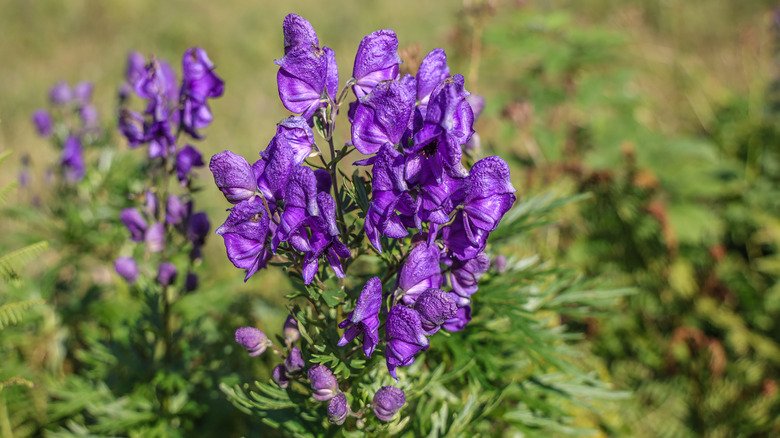
Selectively planting monkshood, also called wolfsbane, could help preserve your garden plants throughout the growing season. Deer prefer to steer clear of these perennials, and for good reason: Every part of the plant, from its roots to its tiny showy petals, contain the fast acting neurotoxin aconitine. Its poison is so effective that hunters have used it for centuries to tip arrows and bring home what's for dinner.
Monkshood prefers mountainous regions, like the Rockies, in zones 3 to 8, where you just may encounter a few elk looking for a quick snack. It enjoys cool temperatures and low humidity, so you're going to want to skip this one if you live in the southern U.S. states. This deer-resistant pick is one of the last flowers blooming in late summer and early fall, making it a good choice to keep your deer deterrent efforts going strong deep in the season. Plant monkshood in the shady areas of your yard. It's a tall herb that can reach heights up to four feet and offers a distinctive look thanks to its hooded monk-appearing blossoms.
Peony (Paeonia spp.)
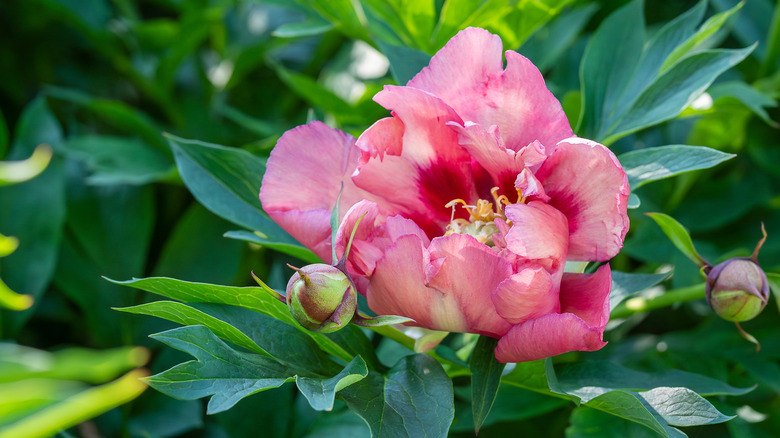
A peony bush is a stunning addition to any yard. With its huge blooms and pollinator-friendly qualities, it's both beautiful and beneficial. Deer don't like this perennial's thick, leathery leaves, but be warned: Its fluffy, fragrant flowers may not be completely off the menu. In addition to the unappetizing texture of its foliage, peonies contain a mildly toxic substance with medicinal applications called paeonol. Ravenous guests in the peony's favored growing zones 3 to 8 will probably look elsewhere for something to bulk up on before winter to avoid an upset tummy.
Perennial peony prefers to grow in areas with cold winters, like Wyoming and Colorado. This area is also antelope country, and if you want these pronghorns to vacate your garden, plant a few of these long-lived bushes where they can get full access to sunshine for at least half the day. Put them in the ground in the fall for the best chances of growing a strong root system. Peony usually do well along the house or next to an upgraded, deer-resistant fence.
Rosemary (Salvia rosmarinus)
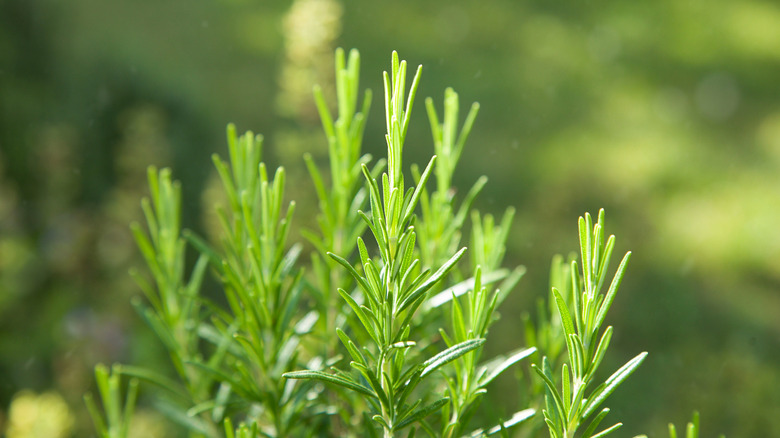
Rosemary is a popular aromatic herb that keeps bugs and deer out of your garden. This critter-repelling plant is much like other herbs in that its strong-scented foliage may keep hooved trespassers from grazing in your garden. And that's not all: Its aroma can even mask the smell of more appetizing plants in the vicinity, casting a wide barrier of protection across your beds when planted along the perimeter. Deer may choose to vacate your yard completely as they want to avoid getting rosemary's skin-irritating essential oils on their coats, too.
If you hope to put in some perennial rosemary in your garden, it's best to stick to zones 8 to 11 and an area that gets full sun exposure most days. However, some varieties can live in zones 6 and 7 with proper over-winter care, such as areas in New Mexico's Coues deer territory. Of course, you can harvest this culinary staple and use it to season cuts of venison, lamb, and pork.
Zinnia (Zinnia elegans)
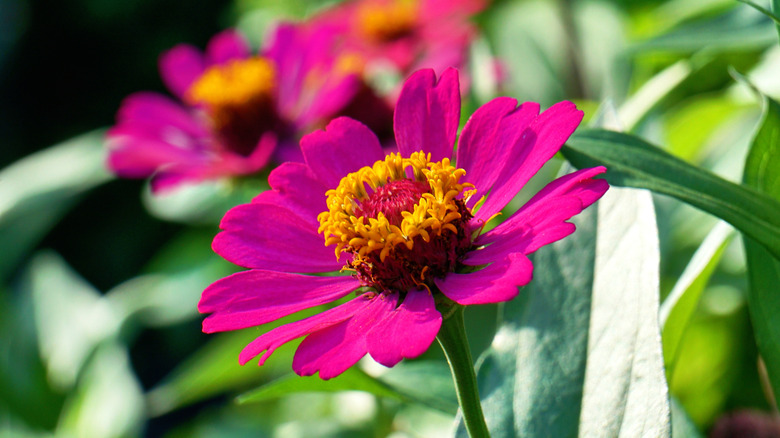
Another practical deer-resistant plant you can cultivate in your zone 2 through 11 garden is one of our favorites: Zinnia. Four-legged eating machines will usually leave this plant alone, especially as it matures, because of the unappetizing texture of its leaves. This warm weather loving flower is one of Martha Stewart's favorite outdoor plants for more than just its Bambi-proof foliage. These annuals are easy to start from seed, making them a top choice when you're still refining your green thumb.
If you're tired of seeing inverted heart-shaped footprints across your beds in Minnesota, New Hampshire, and Michigan (just to name a few zinnia-friendly states), start them indoors. Then, transplant them in the ground along your garden's edge where they can get plenty of sun. Remember to wait until after the last frost to put them outside but don't delay beyond early summer. The flower's petals come in a rainbow of colors, so if cream or orange are some of your favorite hues, you're in luck with zinnias.