

What To Know Before Using Gravel In Your Next Landscaping Project
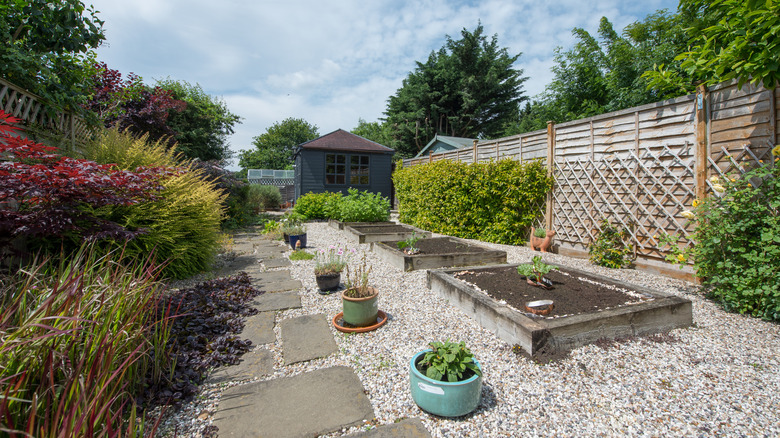
Perfect for fighting weeds and regulating moisture, gravel can shrink the maintenance needs of your yard if it's used in the right place and for the right purpose. For example, it can be a long-lasting alternative to biodegradable mulch. Of course, mulching with gravel can hurt your plants if you live in a warm climate, so be sure to consider weather and temperature patterns before applying it to gardens and flower beds. As you might imagine, there are several other pros and cons to consider when deciding whether to use gravel in your yard. They involve cost, versatility, maintenance, and the specifics of the area you're looking to landscape.
According to Andrey Likhman, owner and principal at Vandeck Builders, gravel is a smart choice for many homeowners because it pairs big visual impact with minimal care needs. "It's cost effective, drains well, and works in a variety of design styles, from modern to rustic," he told Outdoor Guide in an exclusive interview, noting how it "adds texture and visual contrast to any outdoor space." Regarding the cost, different types of gravel come with different price tags. Crushed stone, one of the most economical options, tends to cost $30 to $55 per yard, whereas premium river rock is rarely less than $50 per yard.
Where not to use gravel in your yard
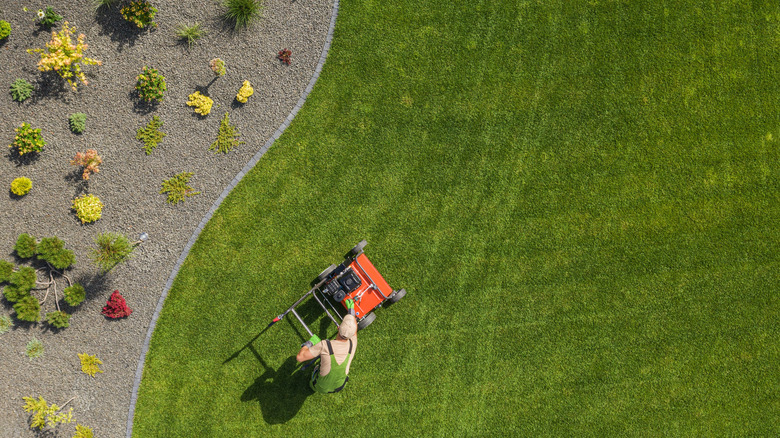
Gravel is a versatile landscaping material, but it's not a panacea. One annoying feature is its propensity for travel. "It can scatter over time, especially on sloped areas or with frequent foot traffic," says Andrey Likhman of Vandeck Builders. Another drawback is its texture. Though gravel can look appealing, sight isn't the only sense to consider. Also be sure to keep touch in mind. Likhman points out that gravel is "not ideal if you're looking for a soft surface underfoot." In other words, it might not be the right choice for the area surrounding a swing set or a spot visitors like to go barefoot — say, right beside a pool.
Additionally, Likhman recommends factoring lawn mowers and other yard tools into your decisions about gravel. "Avoid using gravel in areas that require regular mowing or maintenance with lawn equipment," he says, as gravel-lined areas "can be hard to keep tidy and may damage mower blades." Landscaping gravel can also become a safety concern if it touches these blades. A small and unassuming stone can quickly become a dangerous projectile.
Considering the habits of plants and animals in the area you plan to landscape is another wise move. Though gravel can help deter some pesky creatures, namely rodents, it's no match for burrowers such as gophers and moles. If a tunnel-digging creature has been active near your project site, it may throw your new gravel around as it goes about its daily business. Likhman also advises avoiding gravel "under trees that shed a lot of debris, unless you're okay with regular cleanup."
Installing and maintaining gravel in your landscape
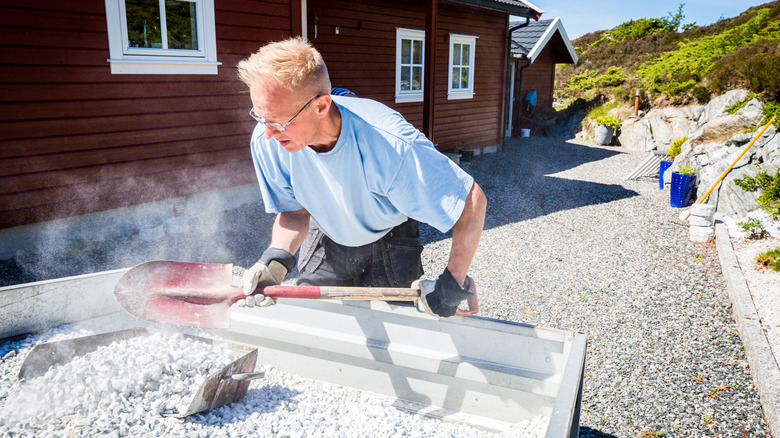
If gravel sounds suitable for your landscaping project, make sure you know how to install and maintain it correctly. As Vandeck Builders' Andrey Likhman points out, cutting corners during installation "often leads to maintenance headaches down the line." Likhman suggests laying a weed barrier such as landscape fabric beneath the gravel because it "helps suppress weed growth and prevents the gravel from mixing with the soil below."
Before moving any heavy gravel, check to see if your project site is ready for its arrival. "Make sure the base is level and compacted, especially if the area gets foot traffic. Define clean edges using metal or composite edging to keep the gravel contained," Likhman says. He adds that the size and type of gravel you choose may influence how you prepare the project site, explaining, "Larger stones shift less, while finer gravel can compact more tightly."
If you go with gravel for your project, you should also consider how often you'll need to replace it. Hauling gravel around is hard work, and though gravel isn't wildly expensive, the costs of buying more do add up. Anticipate replacing or refreshing your gravel every one to three years, Likhman says. How you use the gravel-lined space will have an impact on the material's life span too. "High-traffic zones may need topping off more frequently, while decorative or low-traffic spaces hold up longer," he explains.