

The Landscaping Trick That'll Help Keep Ticks Out Of Your Yard
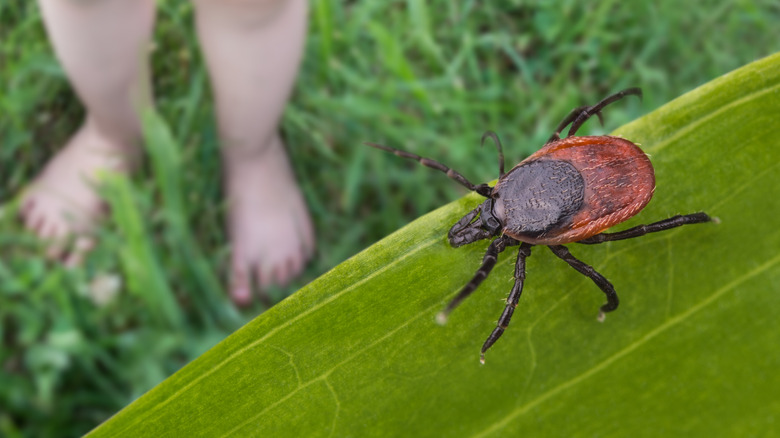
Your backyard is an oasis for spending summer evenings sipping cocktails, grilling, and watching your garden grow. Many people invest thousands of dollars into landscaping these spaces of serenity, adding water features, lush garden beds, carefully manicured lawns, or wildly beautiful pollinator gardens. But this haven from the outside world can turn into a nightmare if you live in an area prone to ticks. These dangerous little beasts are serious threats to human and pet health, carrying disease and causing bites that can easily become infected. If this is your backyard reality, it might be time to consider incorporating some gravel into your yard to create a little distance between you and the places ticks love to hide.
Different species of tick carry different diseases, from Rocky Mountain Spotted fever by the American dog tick (Dermacentor variabilis) to Lyme disease via the common black-legged tick (Ixodes scapularis) in the U.S. But all tick species love the very areas of your outdoor space that you also love the most, like that hammock next to the shady green forest at the edge of your yard or the pollinator-friendly garden you created to attract bees and butterflies. Deer, mice, and other rodents, which are a tick's go-to meals, also love these vegetated spaces. Installing a wide gravel path or barrier between you and the tick habitat is one way you can reduce your risk of tick bites.
Tick-proof gravel done right
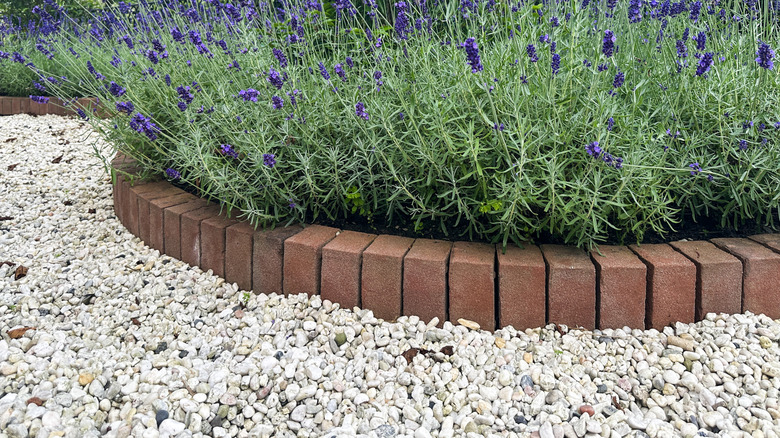
You don't have to mow down all your lovely vegetation and replace it all with gravel in order to keep ticks at bay. You can strategically place gravel borders to flank wooded areas, garden beds, and un-mowed areas. Ticks don't like to traverse dry, hot, exposed rock areas, and a wide gravel border of at least 3 feet will be an effective deterrent — the wider the better if you live in a tick hotspot.
If you're worried about aesthetics, never fear. Gravel comes in a variety of natural and manufactured shades and shapes, many of which can be an attractive addition to your yard. Smooth, natural gravel sourced from river beds and gravel mines or shaper-edged crushed rock can both do the tick-proofing trick. Popular pea gravel comes in a variety of shades, including white or beige to browns and greens.
You will want to avoid common mistakes when using gravel in your landscaping, such as putting it in an area with poor drainage, which can cause water to pool and become a host for even more pests like mosquitos. There are safety concerns to consider when using gravel as well, like keeping the mower away so you aren't kicking rocks up into your windows or yourself. Using a weed-eater, hand-raking, or pulling weeds by hand are better ways to maintain gravelly spots.