

How To Choose Between Biodegradable Mulch And Landscaping Fabric For Combating Weeds
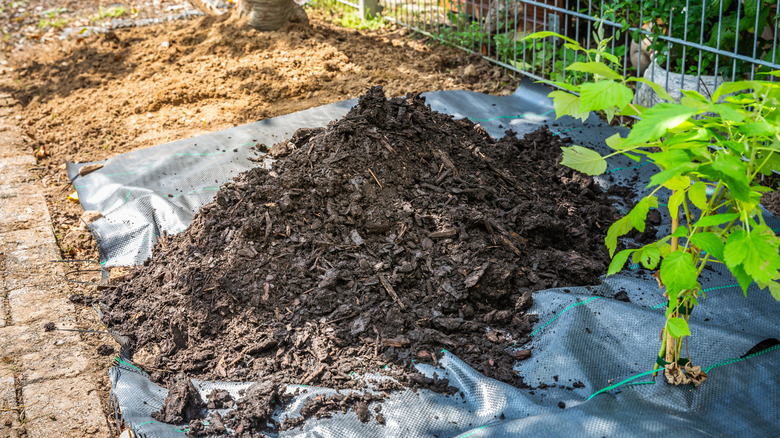
Choosing the right mulch for your garden and yard can make a big difference when it comes to fighting weeds. Sometimes, though, aggressive growers will break through the layer of straw or wood chips you've created. This is one reason weed barriers exist. Many people use landscaping fabric or an eco-friendly alternative called biodegradable mulch film as a weed-smothering base layer for their mulch. In addition to blocking the sunlight weeds need to grow, these products function like a castle wall, resisting unwanted plants' efforts to ram their way through. When installed correctly, weed barriers can keep seedlings of Canada thistle, field bindweed, and other stubborn species from sending their shoots skyward.
At first glance, both landscaping fabric and biodegradable mulch film look like large pieces of sheeting you can cut into different sizes and shapes. However, there are important differences to consider when deciding which type to use. Your weed-control goals, maintenance preferences, and landscaping budget should guide your decision-making.
Landscaping fabric is typically made from polypropylene or polyethylene, plastics that are derived from petroleum. This fabric is designed with durability in mind, but some varieties withstand the elements better than others. Though a top-quality landscaping fabric may not need replacing for 15 years, a lower-quality variety might only last a couple of years. On the other hand, biodegradable mulch film breaks down naturally as its name suggests. When used in gardens or farm fields, it's often tilled into the soil at the end of a growing season. These films tend to be made from plant-based materials such as vegetable starches and sugarcane rather than synthetic plastics. As a result, they don't pollute the soil with harmful microplastics.
Choose biodegradable mulch if your soil needs a boost
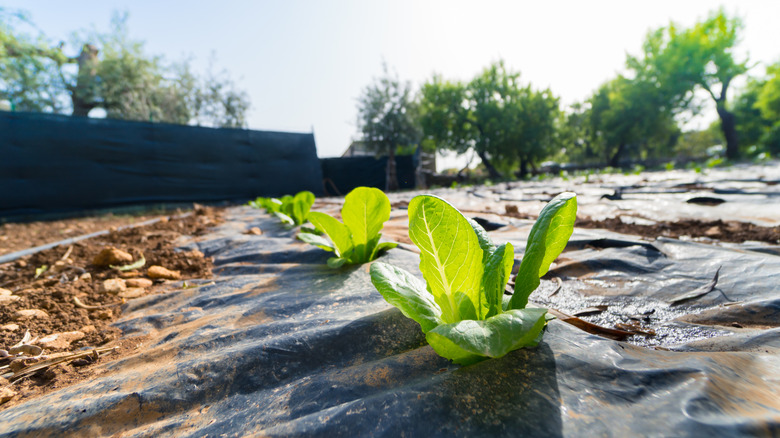
Even the healthiest garden benefits from a regular infusions of nutrients since plants are constantly extracting them. A backyard compost trench can help meet this need, but it may not produce enough of this valuable soil amendment if you have an abundance of flora in your yard. Biodegradable mulch film essentially composts itself after a season of fighting weeds with darkness. It will break down in nearly any area that contains soil, enhancing nutrient content, improving soil structure, and feeding garden-sustaining microorganisms. The materials that make up the film determine which nutrients and microorganisms get the biggest boost.
Though traditional landscaping fabric and biodegradable mulch film both allow some air and water through, the latter is better for maintaining a healthy soil ecosystem. As time goes by, landscape fabric tends to become less permeable because it gets clogged with dirt particles. Reduced air and water flow robs earthworms and beneficial fungi of resources they need to break up compacted soil and break down decaying plant matter. Landscaping fabric can also overheat the soil, killing microbes and worms. In contrast, biodegradable mulch films are often designed to raise soil temperature to optimal levels.
Traditional landscaping fabric also creates soil problems by staying put for years. This leads to soil compaction and keeps decomposing plant matter beneath the fabric from delivering nutrients to the soil's uppermost layers. These issues are less likely with barriers that have shorter life spans. Since biodegradable mulch film gets replaced after 4 to 6 months of use, it's ideal for vegetable gardens and other areas you plant annuals.
Select landscaping fabric if you plan to put gravel on top

One of landscaping fabric's main benefits is ability to support long-lasting mulch alternatives such as gravel, pebbles, and seashells. That's because it discourages these items from sinking. Biodegradable mulch film isn't a good fit for this task because it lasts just a few months. Like landscaping stones, landscaping fabrics are supposed to last for years. Sometimes, however, landscaping fabric will start deteriorating much sooner. The risk increases if it's exposed to sunlight, though this can be mitigated by covering it with gravel. To prevent your landscaping fabric from degrading quickly, choose a variety with a reputation for resisting wear. If your landscaping fabric lasts for years, you'll probably spend less money replacing it than you'd shell out for an alternative that needs frequent replacement.
Don't expect to conserve tons of time with landscaping fabric, though. Many users complain that the fabric is difficult to remove and sometimes has to be pulled out in small pieces, which can take hours. Plant roots often get tangled in it as they grow, and it may tear as it wears down, leaving little bits of polypropylene throughout the soil. Plus, weeds are likely to pop through any holes that develop in the fabric. When you try to pull them out, you may rip even more holes in the material. Want a weed barrier that lacks these issues but lack the budget for replacing biodegradable mulch film each season? Try placing newspaper under your mulch to deter weeds.