

Make Getting Rid Of Weeds In Your Gravel Easier By Avoiding These Common Mistakes
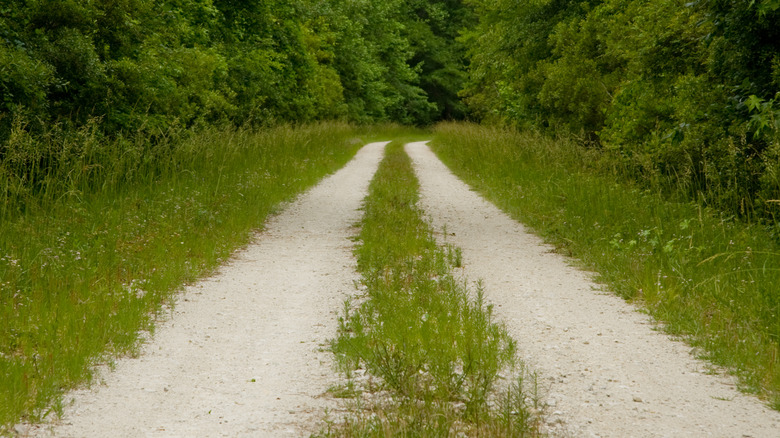
If you've ever maintained a property with a gravel path or driveway, then you most certainly know how frustrating it can be to keep weeds from breaking through. Over the years, you may have used gallons of herbicide or spent dozens of hours pulling weeds. To save time and money, there are a few tips worth keeping in mind when tackling weeds in your gravel pathway — some of which are best addressed as part of regular upkeep, while others before the gravel is even laid.
Yep, people often forget to consider the various ways to keep weeds from sprouting through before they even pour the gravel. So if you're thinking of putting in a driveway or footpath, then you should definitely take several preventative measures to keep weeds from growing in the first place. You can save yourself a whole lot of sweat in the years to come if you avoid these common mistakes.
Don't put down gravel without pulling the weeds first
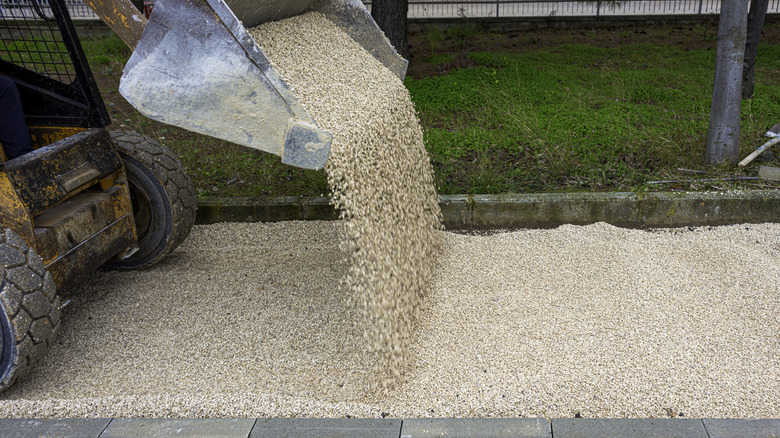
Before you pour gravel for a new path or driveway, you need to thoroughly weed the area. Otherwise, many of the weeds will survive and eventually pop up through the gravel. When weeds are covered in gravel, they often die, but sometimes the root systems remain intact and regrow. Also, remember to dispose of weeds in the proper place. Don't just pull them up and throw them in your yard because they'll spread as a result. Consider throwing them into a black trash bag before taking them to the dump, which will trap heat, dry out the weeds, and prevent them from regrowing.
You can find places where weeds are popping through, rake the gravel aside, and pull the plants out. Just make sure that you pull them from the base and twist them out of the soil so that the root system comes up with the rest of the weed. If the weed breaks and you fail to pull out the root system, you can use a shovel to dig the roots out of the ground. Be careful not to dig too deep when removing weeds because that can backfire. The soil beneath your lawn is filled with seeds, so if you dig deeper than necessary to remove a weed, you risk bringing those seeds to the surface. Once seeds reach the surface, all it takes is some water, and they'll germinate.
Be sure to put down landscaping fabric before pouring gravel
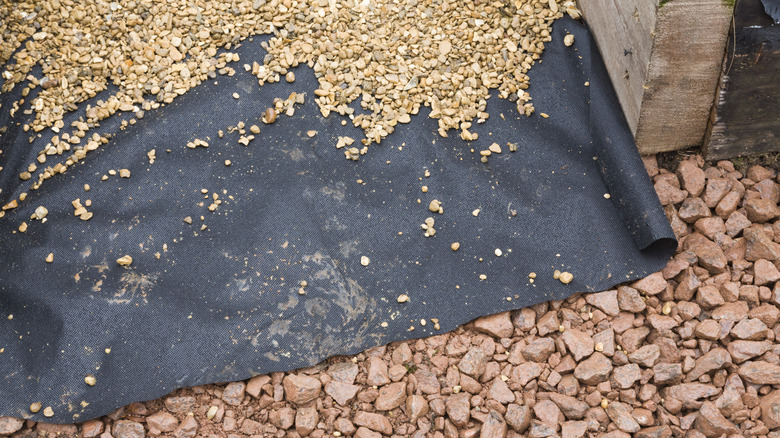
When you pour gravel directly onto the ground, you give weeds a chance to seek air, nutrients, and sunlight. While landscaping fabric doesn't block all air and nutrients, it definitely makes your path or driveway less habitable for weeds. The purpose of landscaping fabric is to stop weeds from germinating in the first place. It's important to still pull all the weeds up before putting this fabric down.
If you already have a gravel pathway, you can still use landscaping fabric without having to completely redo everything. Find the spots where weeds keep breaking through, rake the gravel aside, pull the weeds, lay swatches of fabric, and cover the fabric with the gravel. Over time, the fabric will break down and need to be replaced. Weeds can also take root on top of the fabric, so this isn't a foolproof measure. If weeds do take root in your gravel, don't use a weed eater. Flying debris from a weed is a safety concern to consider when using landscaping gravel in your yard.
Don't forget the pre-emergent herbicide
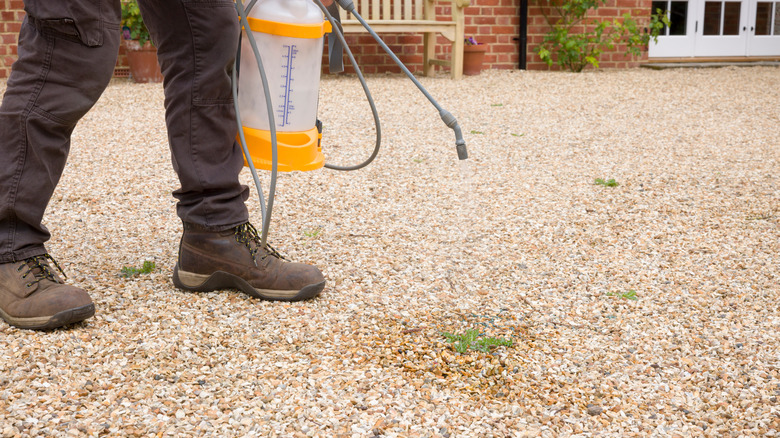
The best time to stop weeds from growing in your gravel is before they take root. So be prepared for sunny days when the ground is wet and weeds are ready to burst forth and multiply. At the beginning of each spring, it's always a smart idea to treat your gravel with pre-emergent herbicide. If weeds have already started maturing, then it's too late. Pre-emergent herbicide is only a preventative measure. Hit them with the chemical as soon as they start to come out.
The steps of applying pre-emergent herbicide are fairly straightforward. You should wait until the soil temperature is at least 55 degrees Fahrenheit, and then spray it on parts of your gravel where weeds typically appear. Afterward, water the area to activate the chemical. You can repeat the process a few days or weeks later if you feel that your gravel needs additional protection.
You need an ample amount of gravel
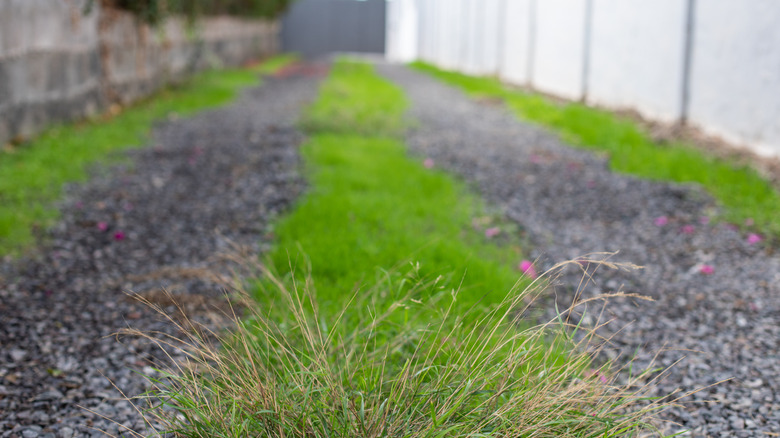
Gravel smothers weeds and blocks their sunlight, but it can't do its job as well if you don't pour enough of it. Most landscapers recommend about 2 to 3 inches of gravel for a driveway. This should tamp down any existing weeds that you may have missed during the weeding process and suppress the growth of new weeds.
Once the gravel is poured, you can take active steps to prevent weeds from pushing their way through. One great method is to rake your path or driveway regularly throughout the spring and summer. By moving the gravel around with a rake, you will smother weeds that have found places to pop through.
Beyond controlling weeds, raking gravel can also improve the aesthetics of your property. For example, most gravel driveways develop ruts and even potholes over the years, and raking a driveway helps even out the terrain. If you use a shovel to add some fresh gravel, make sure to do some research to determine the best shovel for your home gravel project. If you have a tractor, you can drag a box scraper behind it to get rid of potholes.