

The Buttery Yellow Flower That Pollinators Are Absolutely Obsessed With
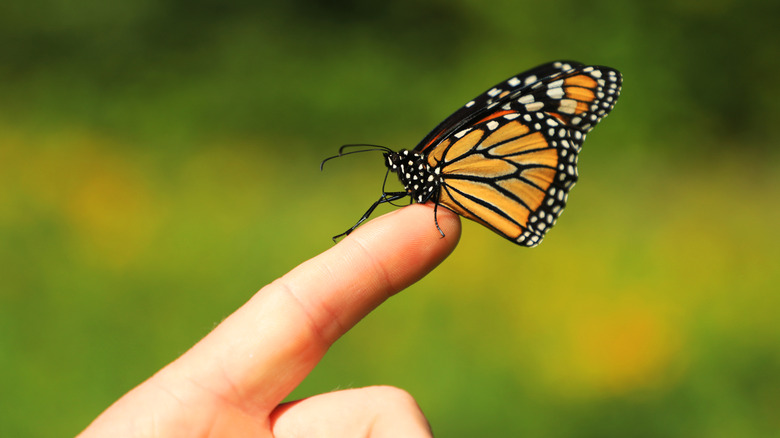
Whether you're designing a hummingbird-friendly container garden or turning your yard into a butterfly paradise, studying pollinator flower preferences is bound to enhance your efforts. Getting familiar with Carolina jessamine (Gelsemium sempervirens) is worthwhile if you're seeking a sizable plant that will add a cheerful color to your yard. This vining perennial bursts with buttery yellow flowers that are shaped like miniature trumpets. Instead of playing parade-ready marches, these blossoms emit a sweet aroma. Carolina jessamine blooms between February and April, reminding humans that spring is just around the corner. Hummingbirds, butterflies, and bees interpret this showy display a bit differently. To them, it means that yummy nectar is being served.
Sometimes called yellow jessamine or false jasmine, Carolina jessamine is best suited for USDA hardiness zones 6 through 10. It's as tough as it is pretty, withstanding saline soil, brief droughts, and temporary sogginess. This glossy-leaved plant is often found in woodlands, where it likes to climb trees. In yards, Carolina jessamine is fond of scaling trellises, fences, pergolas, and other vertical surfaces. Strands of vine twist around each other as the plant ventures skyward. When rarely pruned, Carolina jessamine may grow as tall as 20 feet and as wide as 30 feet. If you choose to trim it, wait until flowering process has finished before breaking out the shears. Carolina jessamine will form a dense ground cover if no structures to climb are nearby. This can control weed growth in the summer and provide shelter to wildlife in the winter.
Helping Carolina jessamine draw lots of pollinators
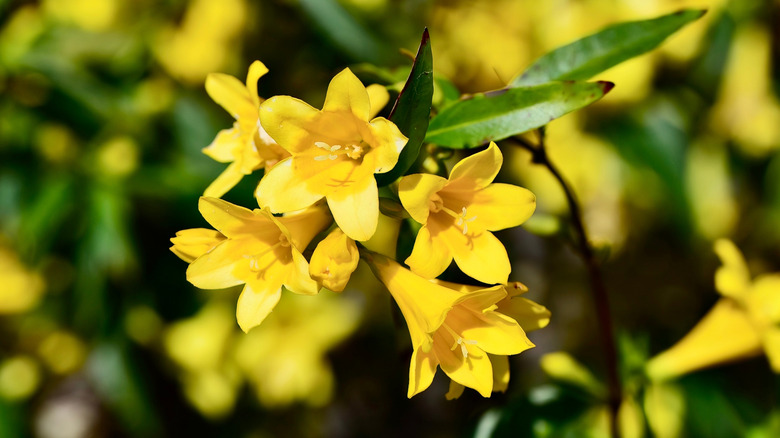
To attract as many pollinators as possible, keep your Carolina jessamine healthy and encourage it to flower with abandon. This vibrant vine is able to grow in partial shade, but it will reward you with an abundance of blossoms if you give it a spot that receives full sun. Providing Carolina jessamine with a vertical structure can also help it get plenty of blossom-promoting sunlight. If you're up for a DIY project, turn an old screen door into a garden trellis by trading its screen for chicken wire.
Consider adding compost to your Carolina jessamine's planting site since it prefers soil with ample organic matter and good drainage. You shouldn't need to alter the soil's pH level since this plant is content in acidic, neutral, or alkaline soil. As spring begins, feed your Carolina jessamine a fertilizer containing nitrogen, phosphorous, and potassium. This may convince it to make tons of flowers. The more flowers this plant produces, the more attractive bees, butterflies, and hummingbirds are likely to find it.
If you live in zone 6, don't forget to protect your Carolina jessamine safe from wintertime injuries. This involves shielding it from frigid winds as the season approaches. No matter where you live, be sure to install this plant a safe distance from your home since it's quite flammable. A spark from a fire pit, poorly aimed bottle rocket, or a sparking electrical wire could spell disaster if this vine is growing on your home. Also steer pets and young children away from Carolina jessamine since most of its parts are poisonous if ingested.